
Unbiased headlines. Facts, not spin.
Every story is an unbiased news briefing written from 110+ sources across the spectrum — sources linked so you can verify it yourself.
 economy
Major Story (8/10)
August 5, 2026 at 04:24 PM
economy
Major Story (8/10)
August 5, 2026 at 04:24 PM
CBP Confirms $100 Billion Refunded on Trump's Struck-Down Tariffs, Just as New Ones Face a 25-State Lawsuit
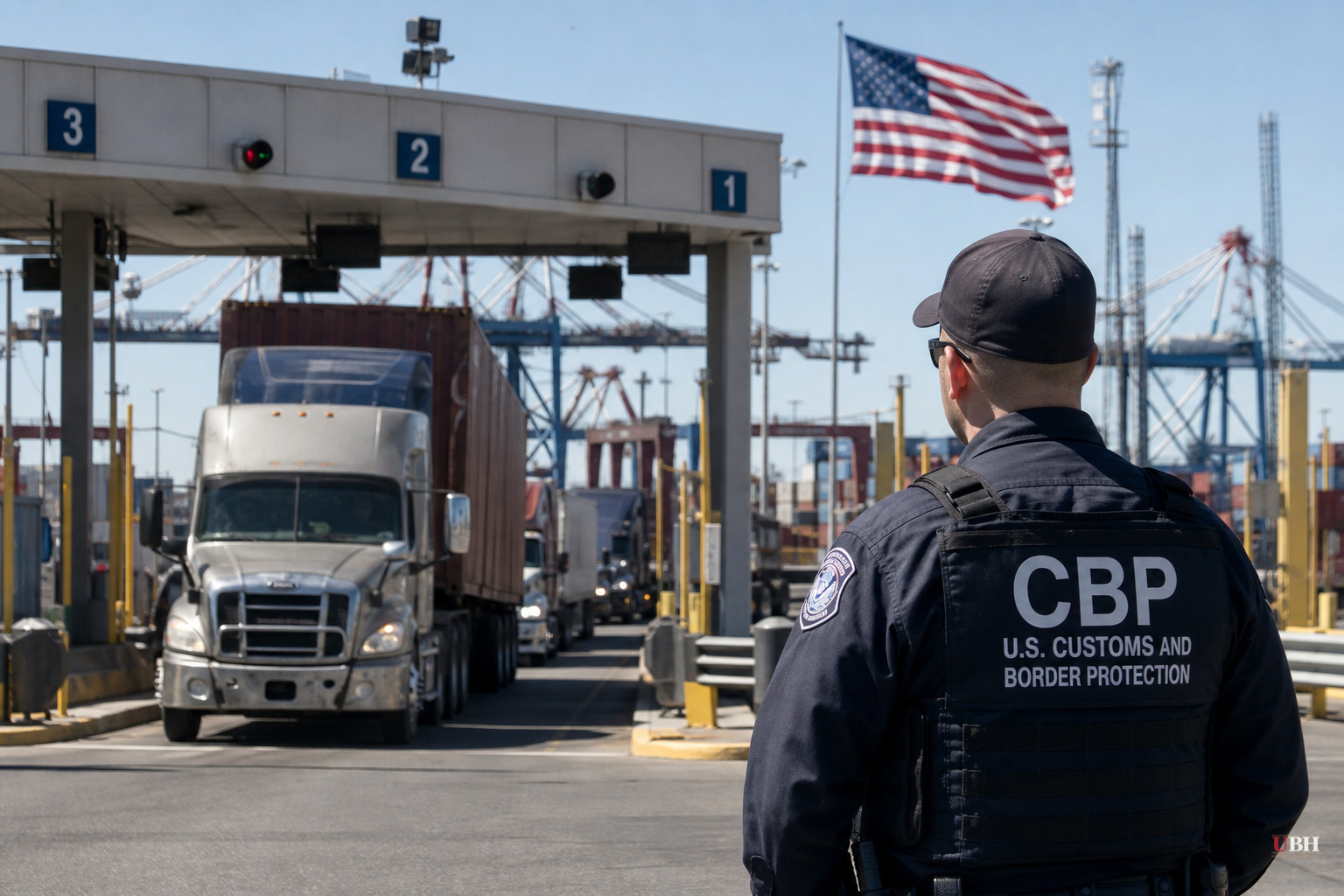
Since the Supreme Court struck down Trump's IEEPA tariffs in February and Judge Richard Eaton ordered refunds two weeks later, the government has now returned roughly $100 billion to importers. That's according to a Tuesday filing in the U.S. Court of International Trade, reported by CNBC, The Guardian, Newsweek, and tippinsights.
The number breaks down like this: Customs and Border Protection collected about $166 billion under the tariffs Trump imposed in 2025 using emergency economic powers. CBP official Brandon Lord told the court that as of July 31, the agency's refund-tracking system, called CAPE, had processed nearly $129 billion in accepted refund claims. Of that, $100 billion has been certified and sent to Treasury for payment.
That's 60% of the total collected.
The refund math still has gaps
More than 330,000 importers paid these tariffs across more than 53 million import entries, according to court filings. CAPE has only received 252,496 refund declarations covering 25 million of those entries, less than half.
Newsweek talked to international trade expert Kathleen Claussen, who pointed out not every importer even applied for a rebate. Some businesses that paid the tariffs may have gone under during the tariff period and are in no position to file a claim now. That money may just never get claimed.
Treasury Secretary Scott Bessent said back in February, right after the Supreme Court ruling, that the refund process "could be dragged out for weeks." Newsweek notes some trade experts are surprised the administration moved this fast. But "faster than expected" isn't the same as "done." A third of the money collected still hasn't gone anywhere, and the remaining importers, especially the smaller ones, are the ones most likely to get stuck waiting.
That's what's driving the Freestyle World lawsuit CNBC flagged. The California importer is trying to build a class action for small businesses who say they're hitting a wall trying to get their money back through CAPE. The government says the class-action request came too late and doesn't hold up anyway. That fight is still open.
Trump didn't take the loss lying down
"Tariffs have been incredible. We've taken in hundreds of billions of dollars," Trump told Fox News Tuesday. "Supreme Court gave us a little shot, but we're allowed to do it in a different manner."
That "different manner" is already in place. Last month Trump imposed a new round of tariffs on more than 80 countries, ranging from 10% to 12.5%, hitting the UK, Mexico, Canada, Australia, India, China, and the EU's 27 member states. This time the legal basis is Section 301 of the Trade Act of 1974, aimed at countries that allegedly tolerate forced labor in their supply chains.
Twenty-five states are suing to stop it. New York Attorney General Letitia James put it bluntly: "After losing at the Supreme Court, the administration is once again trying to illegally raise taxes on families and businesses with a new round of tariffs."
The states' argument, laid out in their CIT filing, is that these new tariffs hit 99.4% of all U.S. imports, essentially replicating the scope of the tariffs the Supreme Court already killed, just with a different legal label slapped on top.
If the administration built a replacement regime that covers almost the exact same universe of imports as the tariffs the Court just struck down, calling it something else doesn't automatically make it legal. Courts, not press releases, will decide whether the forced-labor justification is genuine policy or a workaround.
CBP told Newsweek the new tariffs are "targeting countries that lack effective bans on importing goods produced with forced labor" and confirmed it's aware of the lawsuits. No ruling has come down yet. No court has found the new tariffs illegal, and none has upheld them either.
Where the deficit math lands
The Guardian noted the federal deficit hit $1.37 trillion in the first nine months of the fiscal year, up 2% from the same stretch in 2025, despite tariff revenue Trump has pitched as a deficit-closer. Whatever the tariffs are bringing in, they're not closing that gap.
What happens next depends on the Court of International Trade. If the states win their case, taxpayers could be looking at another multibillion-dollar refund operation stacked on top of the one that's still not finished. If the administration wins, the Section 301 tariffs stay in place and CAPE keeps grinding through the remaining third of the original $166 billion still owed to importers who haven't been paid back yet.
Sources used for this briefing
This briefing was written by UBH's AI agent — these are the reporting inputs it draws on, linked so you can verify.


