
Unbiased headlines. Facts, not spin.
Unbiased Headlines is an independently owned news organization. We bring you the facts, not opinions, written fresh from 110+ named sources. Sources linked so you can verify it yourself.
 economy
Major Story (8/10)
Bessent Tells Fed Not to Hike Into Iran Energy Shock; Goolsbee Says Inflation Has Spread Beyond Oil
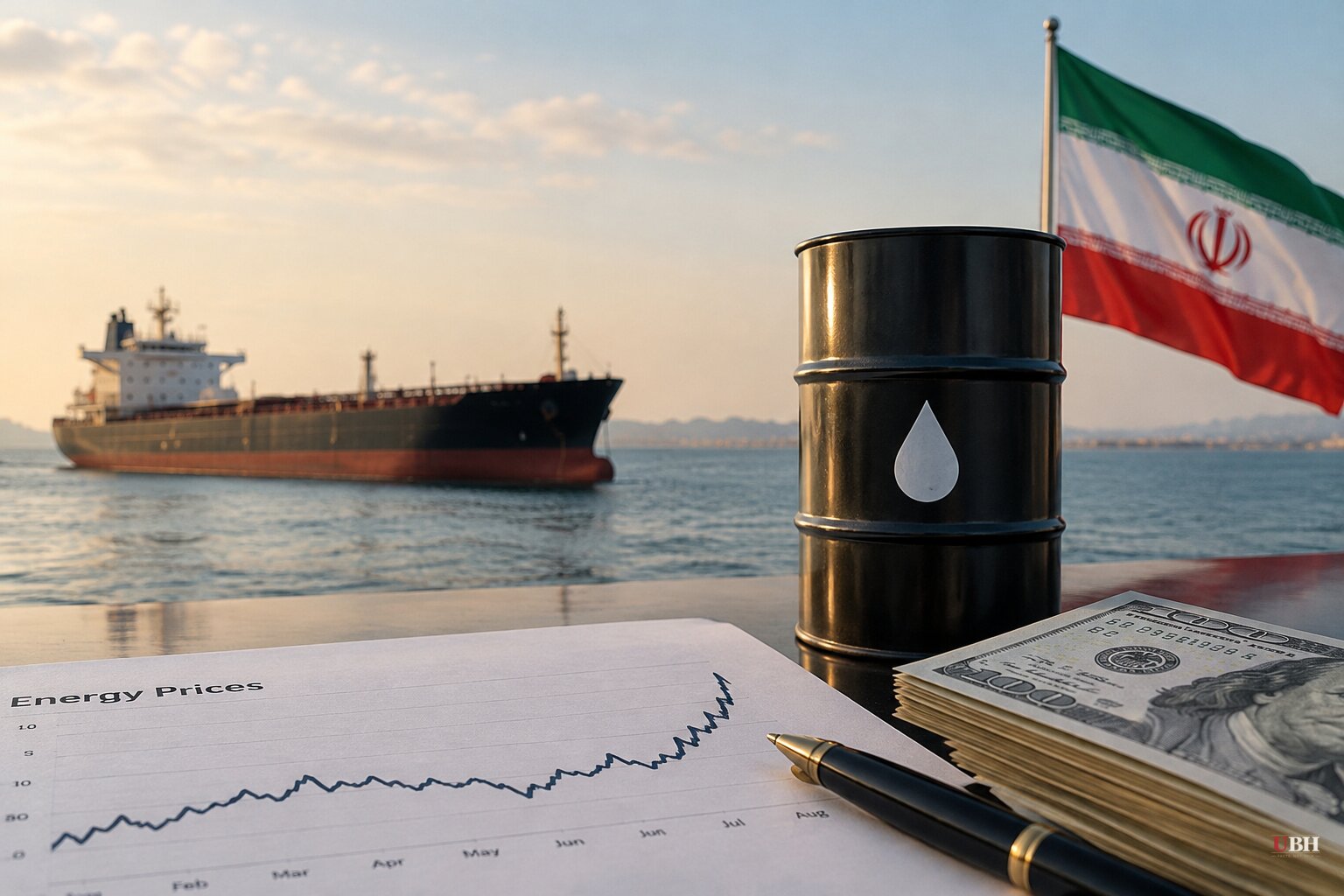
Since the U.S.-Israeli war with Iran began in February, energy costs have driven inflation higher, and the Federal Reserve has held rates five times and raised them once. On Friday, Nov. 13, the argument over what to do next moved onto live television.
Treasury Secretary Scott Bessent told CNBC the Fed should treat the moment as an energy problem and not a broad inflation problem. "I think the Fed should understand that this is an energy supply shock," he said, adding that the underlying U.S. economy is "very strong."
"To hike too much into an energy supply shock when it's coming down, these are very noisy numbers," Bessent said. "The Fed's supposed to look into the future, not look in the rearview mirror."
Bessent's case
Bessent was careful about the Fed's independence. "I'm not going to tell the Fed what to do. I am going to say they should have an open mind," he said.
He noted that the Fed cut rates three times over the same stretch last year. A dramatic reversal based only on an energy shock "isn't something that I would do if I were on the Fed. But I'm not on the Fed."
He also said falling gasoline prices should produce a calm inflation reading next week.
Some of the data backs him on energy. Producer energy prices edged down 0.1% in October, according to the Bureau of Labor Statistics.
Goolsbee's answer
Shortly afterward, Chicago Fed President Austan Goolsbee went on the same network and disputed the premise. Inflation, he said, is not just oil. It has spread into services and into areas like medical care that do not usually track oil prices. Strong demand tied to the AI data center buildout is also adding to it.
"I respect the secretary and I am trying to figure out the same thing he is trying to figure out, which is how persistent is this inflation?" Goolsbee said. "The tariff inflation and oil price shock were supposed to have gone away by now and it hasn't."
Services inflation, he said, "which is probably not coming from tariffs or oil, is one of the more troubling aspects of the inflation reports we have been getting." If overheating demand is contributing, he added, "that is more worrisome."
Goolsbee did not commit to a hike. He said the Fed "has definitely got work to do to continue to reestablish its credibility."
What the numbers show
The latest data cut both ways. October producer prices rose 0.3%, below the 0.4% Wall Street forecasters expected. The BLS also reported that the producer index excluding food, energy and trade services rose 0.5% in October, matching September, and is up 4.9% from a year earlier.
That measure strips out the categories Bessent points to. Earlier this week, the October Consumer Price Index rose 0.4% and the core measure 0.3%. Each was 0.1 point above expectations.
The jobs report was also strong. The economy added 165,000 jobs in October, according to the Labor Department.
The year-over-year energy picture for October is incomplete. The Labor Department could not collect data in October 2025 because of the government shutdown that year, so it cannot give an annual comparison for this October. In September, energy prices were up 20.4% from a year earlier.
The December decision
The Fed held its policy rate at 3.75% to 4% at its last meeting. Chairman Kevin Warsh said policymakers would watch incoming data to decide whether more tightening is needed.
CME FedWatch shows an 89.4% chance of a hike to 4.00% to 4.25% at the next meeting, scheduled for Dec. 9. Fed funds futures are pricing in 29 basis points of hikes in December, which leaves slim odds of a 50-basis-point move.
The Fed's own early view was that it could "look through" supply-driven inflation. That tolerance faded as inflation stayed above the 2% target. Support for hikes grew with it.
The politics are open. Inflation and the AI buildout both featured heavily in the midterm elections. The administration has cheered the AI boom. Bessent put the oil-driven roots of inflation first, while Goolsbee pointed to demand and services.
The next test is the inflation data Bessent says will come in benign next week. If services prices stay hot while gasoline falls, Goolsbee's reading gains ground ahead of the Dec. 8-9 meeting. If the readings cool across the board, Bessent's case gets stronger.
Sources used for this briefing
7 links from 7 independent newsrooms (syndicated copies of the same report count once)
These are the sources it draws on, linked so you can verify.


