
Unbiased headlines. Facts, not spin.
Every story is an unbiased news briefing written from 110+ sources across the spectrum — sources linked so you can verify it yourself.
 economy
Notable (6/10)
August 5, 2026 at 10:24 PM
economy
Notable (6/10)
August 5, 2026 at 10:24 PM
Trump's Antitrust Pick Adam Candeub Testifies on Fate of Google and Apple Cases
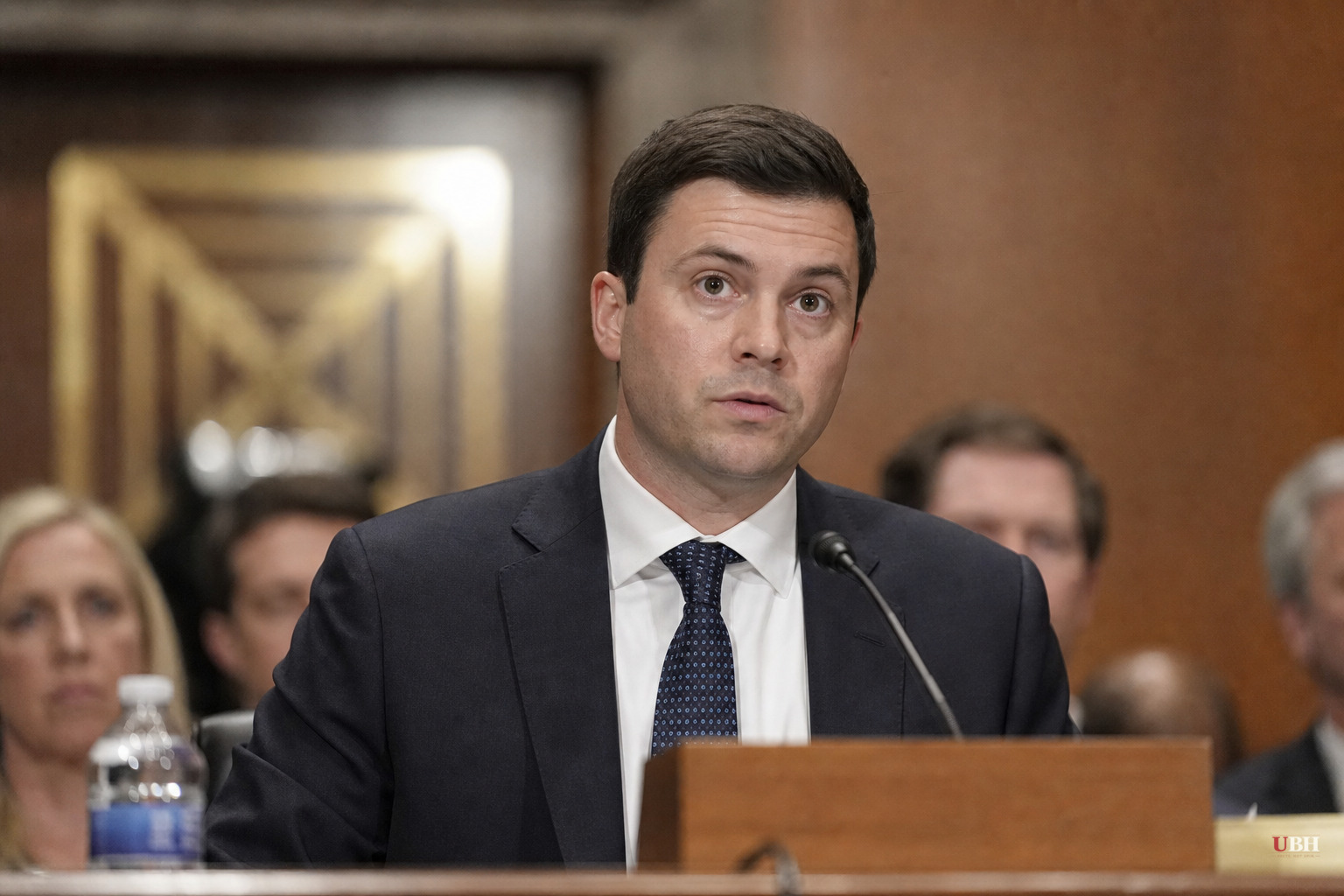
Adam Candeub sat before the Senate Wednesday to make his case for running one of the most powerful antitrust posts in the federal government, according to Fox News.
If confirmed, Candeub would take over as head of the Justice Department's Antitrust Division. That job comes with direct control over two of the biggest corporate cases in decades: the government's lawsuit against Google over its dominance in online search, and its case against Apple over App Store rules that govern how developers reach iPhone users.
Candeub isn't a mystery pick. He's a telecommunications law scholar and former general counsel at the Federal Communications Commission who has spent years building a reputation as one of the conservative movement's loudest critics of Big Tech power.
What Candeub Has Argued
Back in March 2023, testifying before Congress, Candeub laid out his core worry in blunt terms. "Big Tech's market power undermines our nation's culture of vibrant democratic deliberation," he said, according to Fox News. He pointed to the Twitter Files, Elon Musk's release of internal Twitter communications, as evidence that "Big Tech has indeed limited particular groups, including dissenters" from full participation in political discussions.
"This power to exclude threatens all Americans," Candeub told lawmakers. "Power to silence one group of Americans will be used sooner or later to silence another."
Concerns about concentrated tech power are shared across the political spectrum. If a handful of companies control the pipes most Americans use to speak, search, and transact online, then decisions made in Silicon Valley boardrooms carry real weight over public debate. Critics on the left have made versions of this same argument about concentrated corporate power for years, they just usually aim it at different targets, like pharmaceutical companies or Wall Street banks. The underlying logic, that unchecked market dominance distorts more than just prices, isn't a partisan invention.
Candeub has also pushed to narrow Section 230, the federal law shielding online platforms from liability for user-posted content. He worked on that effort at the National Telecommunications and Information Administration during Trump's first term. And in his contribution to Project 2025, the Heritage Foundation's policy blueprint for a second Trump administration, Candeub argued that antitrust enforcement has historically failed to account for how dominant platforms shape speech and discourse, not just prices and market share.
Why the Cases Matter
The Google search case and the Apple App Store case were both built under prior administrations, but Candeub would decide how aggressively to keep pushing them, what remedies to seek, and whether to expand the government's theories of harm. That's a significant amount of discretion sitting in one Senate-confirmed job.
Fox News's coverage frames Candeub almost entirely through his record as a Big Tech critic and free-speech advocate, without addressing how tech companies or their legal teams view his nomination. There's no mention in that reporting of pushback from industry groups, tech-sector economists, or Democratic senators on the committee, if any exists. A Senate confirmation hearing typically draws questions from both sides of the aisle, and the record on how skeptical or supportive committee Democrats were toward Candeub isn't reflected in that account.
There's also a real policy question underneath all this that deserves more scrutiny than a single hearing can give it. Antitrust law in the United States has traditionally focused on consumer prices and market competition, the framework associated with the "consumer welfare standard" that's dominated enforcement since the 1970s. Candeub and allies like him want antitrust enforcement to weigh speech and political influence too. This represents a departure from decades of precedent, and it raises a fair question from the other direction: should federal antitrust law be a tool for policing platform speech decisions at all, or should that fight happen through other legal channels, like the courts interpreting the First Amendment and Section 230 directly?
What Happens Next
The Senate Judiciary Committee will need to vote on advancing Candeub's nomination before it goes to a full floor vote. No timeline for that vote has been set as of Wednesday's hearing. Until confirmed, the Antitrust Division's ongoing litigation against Google and Apple continues under existing leadership, meaning the practical stakes of Candeub's confirmation, how remedies get shaped and how hard the government pushes in settlement talks, remain unresolved for now.
Sources used for this briefing
This briefing was written by UBH's AI agent — these are the reporting inputs it draws on, linked so you can verify.


