
Unbiased headlines. Facts, not spin.
Every story is an unbiased news briefing written from 110+ sources across the spectrum — sources linked so you can verify it yourself.
 economy
Notable (6/10)
August 5, 2026 at 08:43 PM
economy
Notable (6/10)
August 5, 2026 at 08:43 PM
90% of Americans Say Grocery Prices Are Their Top Cost Worry, New Survey Finds
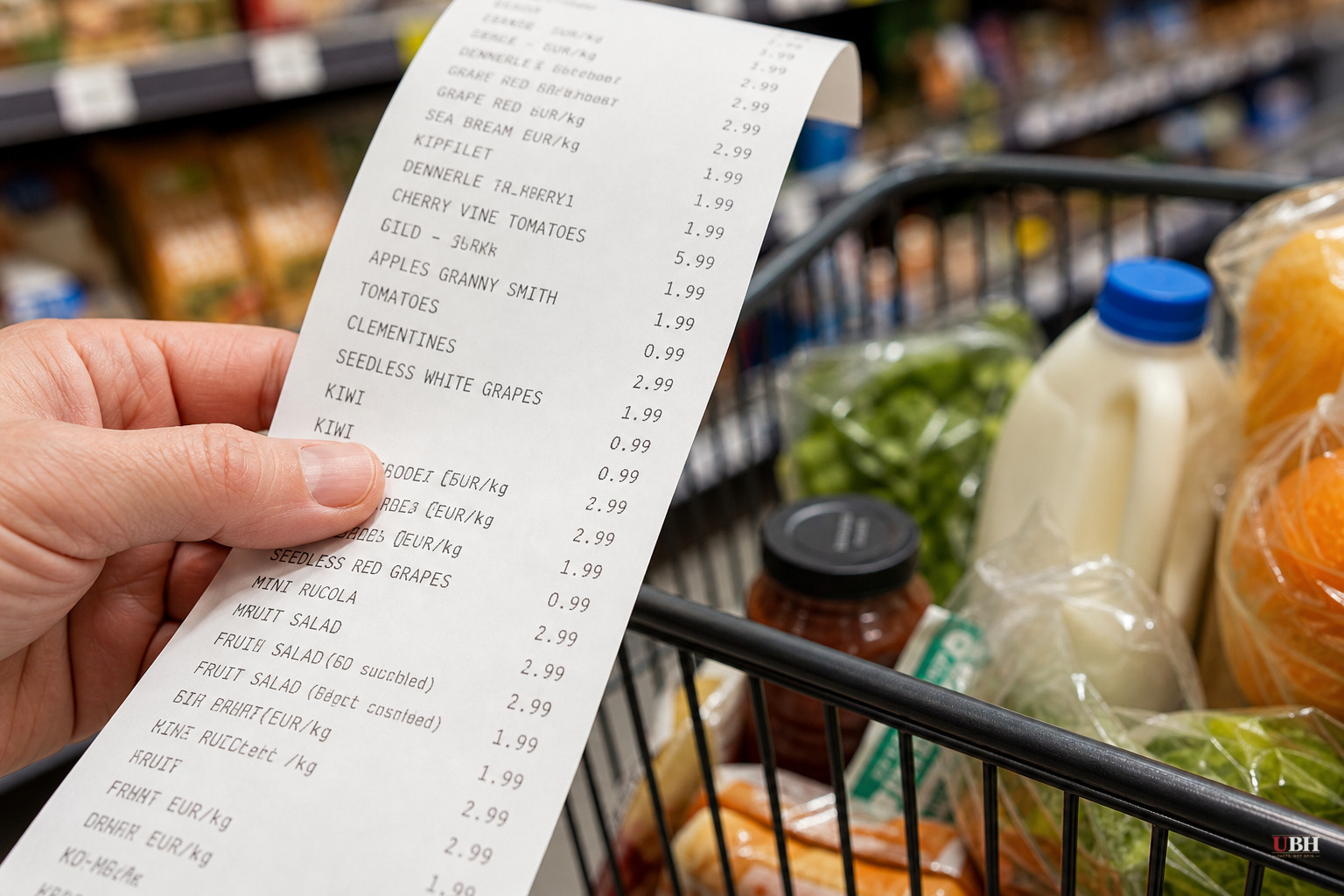
Nine out of ten Americans say grocery prices are their single biggest financial worry, ahead of housing and healthcare costs, according to a survey by the McKinsey Institute for Economic Mobility and the W.K. Kellogg Foundation. The poll covered 30,000 people across every income bracket, and the result was the same across the board: rising costs, especially at the grocery store, are the thing keeping people up at night.
John-Paul Julien, a partner at McKinsey & Co. and co-founder of the McKinsey Institute for Economic Mobility, put it plainly. "We face a common challenge, and that is the rising cost of living," he said. "Although people are experiencing the economy differently, there is this shared feeling that rising costs are making it difficult to get ahead."
Rich, poor, red state, blue state, this survey found near-universal agreement on the number one pain point. When was the last time 90% of Americans agreed on anything?
The numbers back it up
According to the latest Consumer Price Index, food prices are up 3% year-over-year, even as overall inflation cooled in June. Food at home, meaning what you actually pay at the grocery store, also rose compared to a year ago. The Bureau of Labor Statistics is scheduled to release the next CPI reading, covering July data, on August 12.
The data confirms what people are feeling every time they check out at the supermarket.
People are going into debt to eat
A separate analysis from the Urban Institute, based on its December 2025 Well-Being and Basic Needs Survey of more than 10,000 adults, found a lot of Americans are now using credit just to keep food on the table.
About 35% of adults paid for groceries with a credit card and paid the bill in full every month, which is the responsible way to use a card. But another 20% used a credit card for groceries and only made the minimum payment. And 8.7% didn't even manage the minimum. That's real strain, not people chasing rewards points.
Cardholders who pay in full every month can rack up rewards without paying a dime in interest. But borrowers carrying a balance are paying average annual interest rates north of 20%, according to the report. That's an ugly number when you're already stretched thin buying eggs and milk.
Nearly 1 in 10 adults used buy now, pay later services to cover groceries, the Urban Institute found. And among that group, roughly 35% missed a payment. Missed BNPL payments typically trigger late fees, deferred interest charges, or other penalties depending on the lender. Financing a $40 grocery run in installments and then missing a payment on it is not a sign of a healthy household budget.
Not everyone agrees on how bad it is
Marshall Lux, a visiting fellow with the Psaros Center for Financial Markets and Policy at Georgetown University's McDonough School of Business, offered a more cautious read. "There's no doubt that there's pressure in terms of affordability in this country," he said. But he added, "like everything else, it's complicated."
Lux makes a fair point. Grocery spending on a credit card statement gets mixed in with everything else a household buys, so it's genuinely hard to isolate groceries as the specific reason someone falls behind on their bill. He called that a case where it's "hard to draw a straight line." Correlation between grocery costs and credit stress is not the same as proof that groceries alone are driving people into debt.
Lux flagged buy now, pay later as the more chronic issue, calling it a "perennial" problem, distinct from a temporary grocery price spike. That distinction matters. A one-time bad month is different from a structural reliance on installment debt for basic living expenses.
What's actually driving this
None of these sources dig into the policy causes: tariffs, labor costs, supply chains, or Federal Reserve interest rate decisions. Americans aren't just noticing prices are higher, they want to know why, and whose decisions got them there. Grocery inflation doesn't happen in a vacuum, and a survey measuring the pain without measuring the cause only tells half the story.
What's clear right now is that the next CPI report, due August 12, will show whether food prices kept climbing through July or started to level off. Until then, households are making do with credit cards, installment plans, and, for a growing share of them, missed payments. Whether that's a temporary squeeze or the new normal is the open question nobody in this data has answered yet.
Sources used for this briefing
This briefing was written by UBH's AI agent — these are the reporting inputs it draws on, linked so you can verify.


