
Unbiased headlines. Facts, not spin.
Every story is an unbiased news briefing written from 110+ sources across the spectrum — sources linked so you can verify it yourself.
 economy
Notable (6/10)
August 5, 2026 at 01:51 PM
economy
Notable (6/10)
August 5, 2026 at 01:51 PM
Fed's Kashkari Pushes for Rate Hikes, Gets Outvoted 9-3 as Markets Bet on a Hold
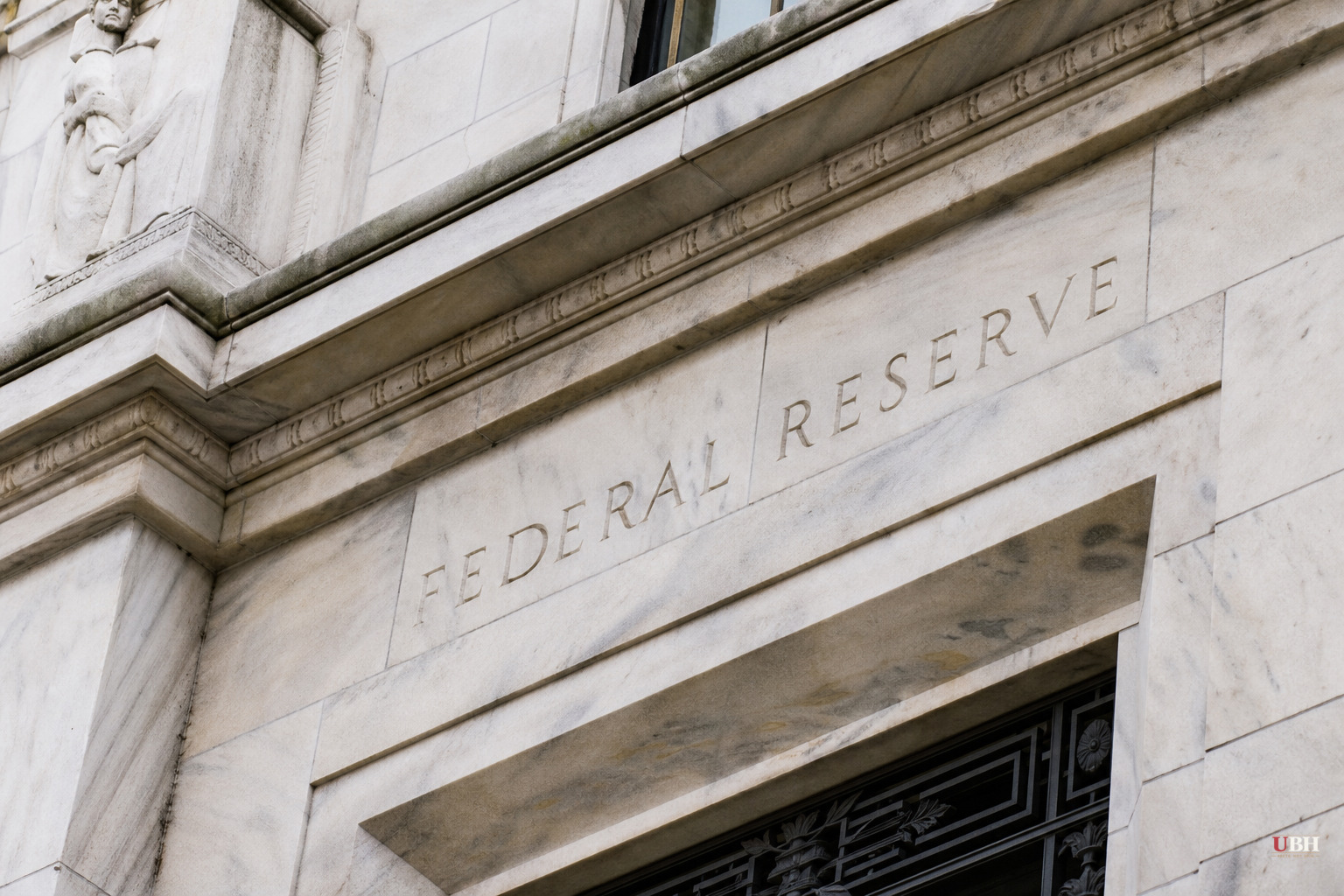
Neel Kashkari wants the Federal Reserve to start raising interest rates again. His colleagues, by a 9-3 vote, told him no.
The Minneapolis Fed president made his case Wednesday in a live CNBC interview from the Aspen Ideas Festival, telling anchor Andrew Ross Sorkin that "now is the time to start slowly moving up as we get more data in." He was one of three dissenters at last week's Federal Open Market Committee meeting, where the panel voted to hold the benchmark funds rate in a range of 3.5% to 3.75%.
Kashkari's argument is straightforward. Inflation is still running well above the Fed's 2% target, and he sees no evidence the current rate level is actually holding the economy back.
"Corporate earnings are through the roof. They're doing great. The consumer is hanging in there. The labor market is hanging in there," Kashkari said, according to CNBC. "I look at this constellation and I say, what evidence do I have that monetary policy is particularly restrictive right now?"
His fear is a slow-motion mistake: wait too long, let inflation dig in, and the Fed ends up having to slam the brakes later with much bigger hikes. Small steps now, he argues, beat a scramble later.
"I'm not calling for a dramatic increase in interest rates," Kashkari clarified, according to both CNBC and IBTimes. "I'm simply saying I don't see evidence of monetary policy being marginally restrictive right now, and I think we have more work to do to get inflation back down."
He wasn't alone in dissent. Cleveland Fed President Beth Hammack and Dallas Fed President Lorie Logan also voted for a hike, according to IBTimes. Hammack put it bluntly: the Fed needs to "act to speed the return of PCE inflation to our 2 percent objective," warning that "the longer that high inflation persists, the more challenging and costly it can be to bring it back down." She pointed to both energy prices and demand-side pressure as culprits.
The risk of waiting too long to tighten is a real one, not a hypothetical. If inflation is still above target and the labor market and corporate earnings are fine, the argument that rates aren't actually biting has merit.
But nine other voters didn't buy it. Philadelphia Fed President Anna Paulson told CNBC the opposite: current policy "has been mildly restrictive to get underlying inflation back down to 2% in an acceptable time period," and she called her vote to hold "not a close call." New York Fed President John Williams struck a similar tone with Reuters, saying that if energy prices and tariffs have already peaked, the big drivers pushing inflation up this year may fade on their own, letting disinflation continue without further hikes.
Markets are siding with Paulson and Williams, not Kashkari. According to ActionForex, September rate-hike odds had already retreated sharply over the two days before Kashkari's interview, driven mostly by falling oil prices and growing optimism that the Strait of Hormuz could reopen soon, easing the energy-inflation risk. A weak ADP private payrolls report showing just 44,000 jobs added reinforced that dovish shift Wednesday, even though ADP is no longer treated as a reliable predictor of the official non-farm payrolls report due Friday.
The dollar slipped Wednesday as a result, with the euro and British pound gaining, according to ActionForex. Dow futures were up more than 250 points ahead of the open, and Treasury yields stayed soft, all consistent with a market betting the Fed stays on hold rather than hikes.
Kashkari made a point of saying Fed Chairman Kevin Warsh, who has previously favored lower rates, applied no pressure on how he voted. "He said to me, 'Do what you think is the right thing to do for the economy,'" Kashkari told CNBC.
The next scheduled FOMC meeting is September 15-16. Kashkari himself said he doesn't know what the committee will do, and that incoming data will decide it. Markets currently see slightly better odds of a hike coming in October rather than September, according to CNBC, but Friday's non-farm payrolls report and upcoming inflation data will be the next real test of which camp, Kashkari's or Paulson's, has the stronger read on where the economy actually stands.
Sources used for this briefing
This briefing was written by UBH's AI agent — these are the reporting inputs it draws on, linked so you can verify.


