
Unbiased headlines. Facts, not spin.
Every story is an unbiased news briefing written from 110+ sources across the spectrum — sources linked so you can verify it yourself.
 economy
Major Story (7/10)
August 5, 2026 at 05:30 PM
economy
Major Story (7/10)
August 5, 2026 at 05:30 PM
EPA Exempts Data Center Power Plants From Acid Rain Rules, Citing AI Competition With China
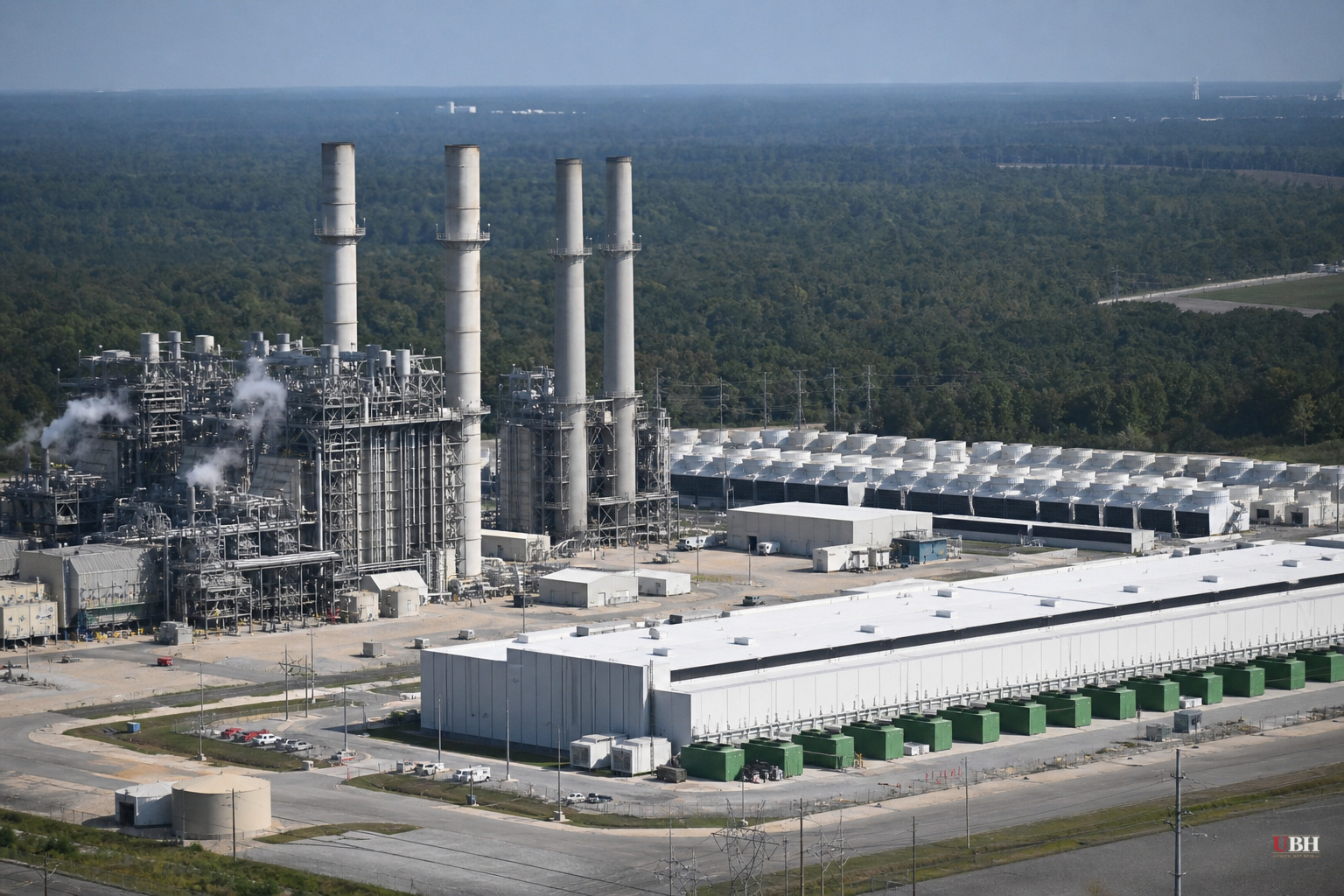
The Environmental Protection Agency has exempted power plants that exclusively serve data centers from the Clean Air Act's Acid Rain Program, according to Reuters. That means nearly 60 plants already operating or under construction across the country no longer have to limit emissions of sulfur dioxide and nitrogen oxide, the two gases that cause acid rain.
The exemption applies to what the industry calls "islanded" power plants. These are facilities built to feed a single data center directly, rather than sending electricity into the public grid. Because they don't serve regular utility customers, the EPA argues they don't count as electric utilities under the 1990 law that created the Acid Rain Program.
Aaron Szabo, the EPA's assistant administrator for air and radiation, defended the move in a statement reported by The Hill. "Ensuring that the United States maintains our artificial intelligence dominance is essential to national security and economic prosperity," Szabo said. He called it one of the administration's "commonsense approaches to regulating."
China is racing to build out AI infrastructure and compute capacity. Every permitting delay or emissions rule that slows a U.S. data center down is time China doesn't have to wait for. If AI leadership is a national security issue, as both parties have said for years, then treating every power plant the same regardless of what it's built for is a fair thing to question.
The other side of the ledger is what the Acid Rain Program actually exists to prevent. According to the EPA's own published material, sulfur dioxide and nitrogen oxide strip nutrients from soil, poison lakes and rivers, damage crops and erode limestone. The same gases worsen asthma and heart conditions in people who breathe them, and they're present in the air both before and during acid rain events, not just after.
Bloomberg has projected that data centers will account for roughly 20% of U.S. electricity use within about eight years, according to reporting cited by Engadget. If a fifth of the country's power demand is coming from facilities that are now exempt from acid rain rules, that's a structural shift in how much pollution the rule no longer covers.
TNW's reporting ties this to a second deregulatory move the same week: the Federal Aviation Administration proposed waiving environmental reviews for commercial rocket launches, sites and reentries, as reported by the Wall Street Journal. The FAA is preparing for launch and reentry volume to jump from 214 this fiscal year to more than 500 within a decade, driven by SpaceX, Blue Origin, Rocket Lab and Stoke Space. Transportation Secretary Sean Duffy told CNBC the plan would "supercharge commercial space activity." Both moves use the identical justification: American competitiveness can't wait on paperwork.
SpaceX has called environmental review of its Starbase, Texas site "superfluous," per TNW's reporting. Residents near that site have argued the opposite, that existing reviews weren't thorough enough in the first place. The people who live next to these facilities are the ones absorbing whatever gets cut loose, while the companies building them argue the reviews were never proportionate to begin with.
There's a separate and less discussed angle tied to how these data centers actually cool their servers. Food & Water Watch reports that newer liquid-cooling systems, marketed as more water-efficient, commonly rely on fluids containing PFAS, the "forever chemicals" linked to a wide range of health harms and that don't break down in the environment. The group points to data center developer DataVolt's announced $20 billion U.S. investment and its partnership with chemical manufacturer Chemours, which will supply a cooling fluid built from hydrofluoroolefins that degrade into PFAS compounds. Small leaks in these systems are common, according to industry sources cited by the group, and the fluid is typically incinerated once it's degraded, which can release PFAS into the air or leave it in landfill ash. This is a separate regulatory track from the acid rain exemption, but it points to the same pattern: the infrastructure boom is generating pollution categories that current law wasn't built to fully address, and the administration's posture has been to remove friction rather than add oversight.
None of this means the acid rain exemption is unlawful or that the EPA is acting outside its authority. The agency's legal reading, that these plants aren't "utilities" because they don't serve public customers, is a defensible statutory interpretation, not a rogue policy. No court challenge has been filed against this specific exemption as of this writing, and no watchdog investigation has been announced.
What's unresolved is the cumulative math. Nearly 60 exempt plants today is one thing. A fifth of the national grid running on data center demand within eight years, much of it potentially built on the same exemption, is a different scale of question entirely. Whether Congress, courts, or a future EPA revisit that math before the acid rain numbers show up in soil and water samples is the open question nobody in this fight has answered yet.
Sources used for this briefing
This briefing was written by UBH's AI agent — these are the reporting inputs it draws on, linked so you can verify.


