
Original briefings. Zero spin.
Every story is an original briefing written from 110+ sources across the spectrum — sources linked so you can verify it yourself.
 economy
Major Story (8/10)
Event date: August 25, 2026
economy
Major Story (8/10)
Event date: August 25, 2026
Minneapolis Fed: AI Hardware Demand Is Now Pushing Inflation as Hard as Trump's Tariffs
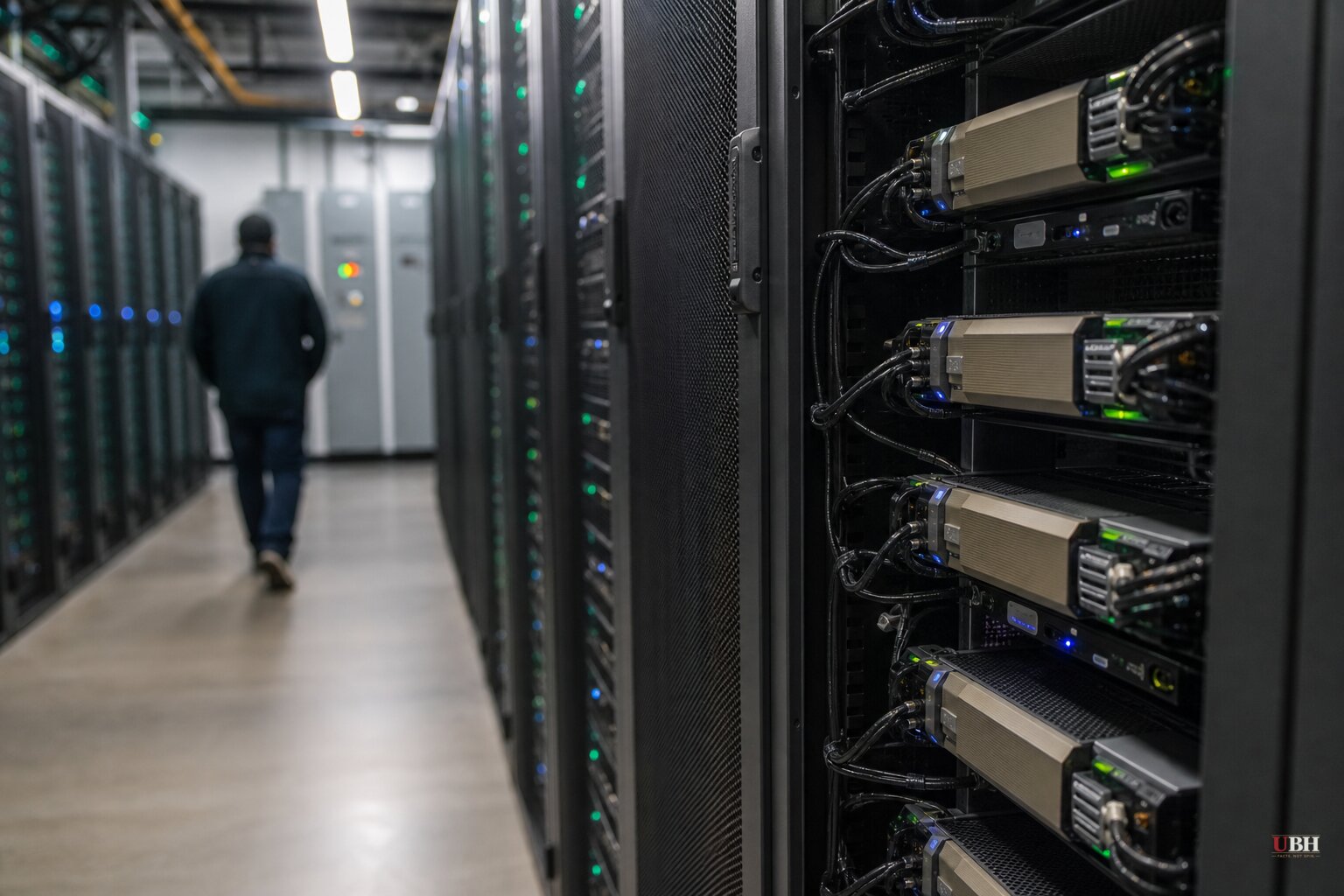
Two very different forces are keeping American prices high, and for once, tariffs aren't the only villain.
A Minneapolis Federal Reserve analysis published Friday found that surging AI demand for memory chips and computer hardware has driven up core inflation by roughly the same amount as President Donald Trump's tariffs, according to Forbes. Core personal consumption expenditures inflation, which strips out food and energy, hit 3.3% year-over-year through July, the highest reading since 2023 and, outside the pandemic, the highest since the early 1990s.
Chipflation Meets Tariff Pass-Through
The Minneapolis Fed put tariffs' contribution to core PCE inflation at 0.2 to 0.4 percentage points as of July, Forbes reported. Clothing and footwear prices, a category directly exposed to import duties, jumped from 0.3% annual inflation in December 2025 to 3.5% by July, one of the clearest signs tariff costs are reaching store shelves. New cars, another heavily tariffed category, haven't fully passed cost increases to buyers yet, meaning more price hikes are likely still coming, per Forbes.
But AI hardware demand added about 0.4 percentage points to core PCE on its own, comparable to the entire tariff contribution, according to the Minneapolis Fed. Prices for video and information processing equipment rose 12.2% year-over-year through July. From 2015 to 2019, prices in that category fell at an average annual rate of 6.5%, according to the Fed's own data.
Apple raised MacBook and iPad prices 15% to 25% in June, and Lenovo, Dell and HP followed with their own increases, Forbes reported. Smartphone makers and gaming console companies have raised prices too. The researchers noted that even if tariffs vanished tomorrow, core PCE inflation would still sit a full percentage point above the Fed's 2% target, meaning tariffs, while real, are not the primary reason inflation is stuck high. The AI buildout is arguably a bigger and less-discussed factor.
The Electric Bill Is Next
The hardware squeeze isn't the only place AI investment is showing up in household budgets. Research from the Federal Reserve Bank of Dallas found that AI data centers have already pushed average wholesale electricity prices 2% to 6% higher nationwide, with steeper increases in regions where data centers are concentrated, according to Fox News.
Dallas Fed researchers modeled grid conditions through 2028 and found that, under their middle-range scenario, the cost of generating electricity could run 20% to 30% higher than it would without new data centers coming online. A single large data center can use as much power as a small city, the researchers estimated. Wholesale electricity makes up roughly half of a typical retail power bill, so the full impact on monthly statements will take time to show up and depends on transmission and distribution costs that vary by utility.
The political response is already visible in Texas, where North Texas recently topped a global ranking of the fastest-growing data center markets, Fox News reported. Governor Greg Abbott has paused new data center projects in the state pending a grid audit, according to Garret Graves, co-chair of the AI Infrastructure Coalition, who discussed the pause with Fox News.
Wall Street Reads the Same Data the Same Way
Liz Ann Sonders, chief investment strategist at Charles Schwab, told listeners on the August 28 episode of the "On Investing" podcast that she sees no forces likely to bring inflation down soon, according to 24/7 Wall St. "We still have very comfortably a three handle, both at the headline and the core level," she said, adding that the economy isn't in a wage-price spiral. She pointed to the same two culprits: tariffs, which she called taxes paid by U.S. importing companies that then decide how much cost to pass on to shelf prices, and AI capital spending, which is import-heavy and pushes up the price of imported equipment even as it's supposed to boost long-run productivity. The U.S. ran a $73.3 billion goods and services trade deficit in June, 24/7 Wall St. reported, underscoring how large the tariff-exposed import base remains. Economist Diane Swonk reached a similar conclusion about AI's dual role in the economy, according to the outlet.
Headline PCE inflation ran at 3.7% year-over-year in July, with energy prices up 15.3%, 24/7 Wall St. reported, showing the drag isn't confined to core categories.
The Fed Won't Say What Comes Next
Fed Chairman Kevin Warsh told the Jackson Hole symposium Friday that the economy is at "full employment" but that inflation figures "are more concerning," according to CNN. Warsh broke with more than two decades of tradition by declining to signal where interest rates are headed, and he has repeatedly refused reporters' requests to describe his "reaction function," the framework the Fed uses to weigh risks, CNN reported. Some FOMC colleagues are already calling to raise rates for the first time since July 2023, not cut them, a notable reversal given how the AI boom is usually framed as a slam-dunk economic positive.
Boston Fed President Susan Collins wrote in an August 25 analysis that inflation has run above the FOMC's 2% target for more than five years and that risks to the labor market are two-sided: stronger growth could tighten the labor market and add price pressure, while a stock-market repricing tied to disappointing AI returns could hurt spending and jobs. Unemployment has held just above 4% since mid-2024, she noted.
The open question heading into the Fed's next meeting is whether Warsh's silence on rate direction means a hike is coming, or whether he's simply refusing to tip his hand while bond yields, which surged after his last post-meeting press conference, keep pricing in the uncertainty themselves.
Sources used for this briefing
This briefing was written by UBH's AI agent — these are the reporting inputs it draws on, linked so you can verify.


