
Original briefings. Zero spin.
Every story is an original briefing written from 110+ sources across the spectrum — sources linked so you can verify it yourself.
 economy
Major Story (8/10)
Event date: August 18, 2026
economy
Major Story (8/10)
Event date: August 18, 2026
DHS Moves to Kill 60-Day Grace Period for Fired H-1B Workers, Adds $103,265 Visa Fee
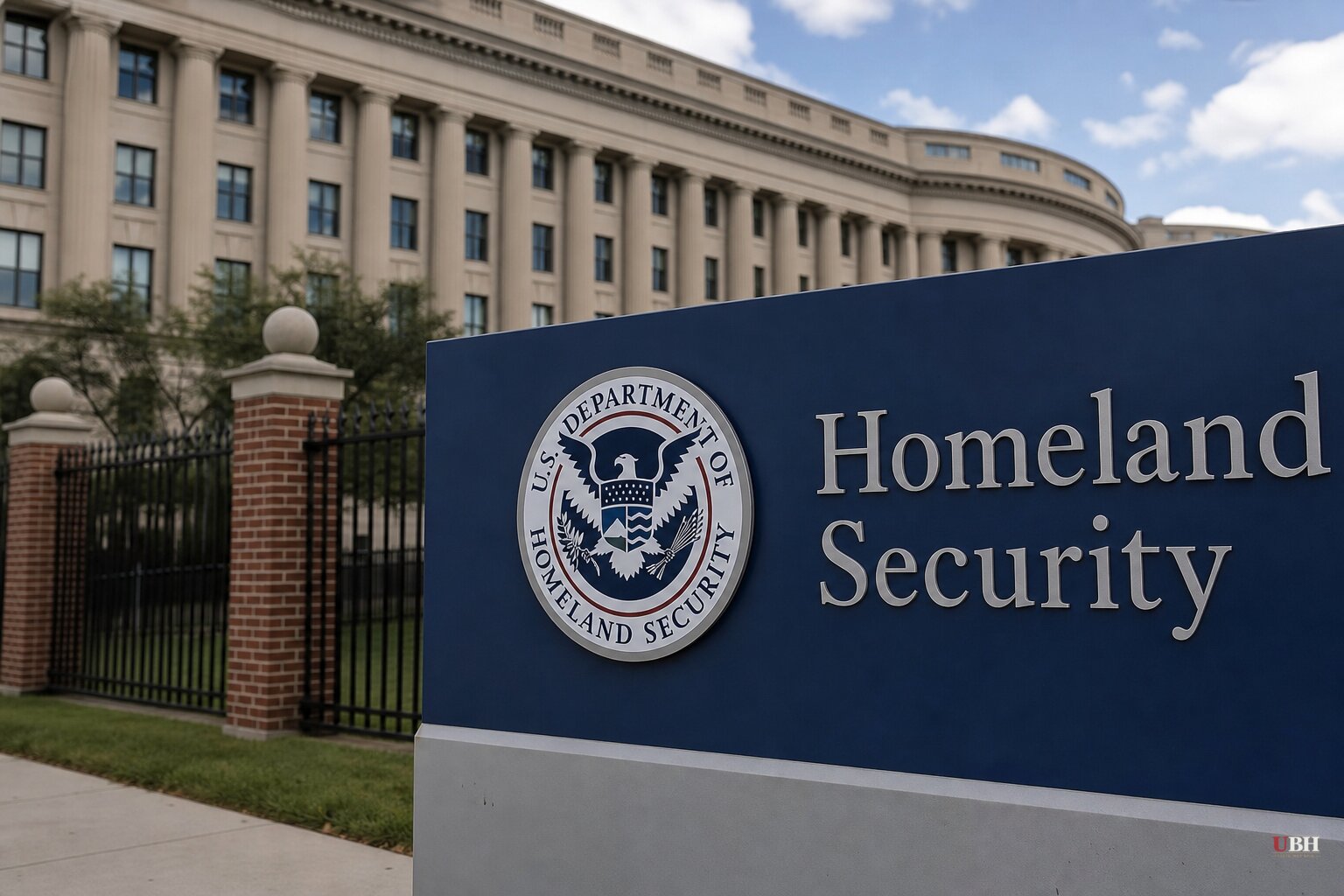
The White House has finished reviewing a DHS proposal that would scrap the 60-day grace period for H-1B and similar visa holders who lose their jobs, according to the Economic Times. That review cleared on the Office of Management and Budget side after DHS submitted the rule on Aug. 6, 2026, according to Higher Ed Dive and the immigration law blog run by Jackson Lewis.
Right now, if an H-1B worker gets fired, they get up to 60 days (or until their I-94 expires, whichever comes first) to find a new sponsor, switch status, or leave the country in an orderly way. That rule dates to 2016 and took effect in 2017, according to Ogletree Deakins, a law firm that tracks immigration rulemaking. Before 2017, there was no grace period at all, and if this rule goes through, workers could revert to something close to that, or even a 10-day window, according to Maxine Bayley, a partner at Duane Morris who spoke to HR Dive.
Kill the grace period and a fired worker is, in practical terms, out of status the moment their job ends. They'd have to leave the country immediately and generally couldn't switch employers or status unless U.S. Citizenship and Immigration Services decides to grant discretionary relief, according to Ogletree Deakins and the Economic Times. That hits the roughly 5.2 million Indian-Americans in the U.S. particularly hard, since Indian nationals are among the largest users of the H-1B program.
A Second, Bigger Hit: the $103,265 Fee
Separately, DHS proposed on Aug. 24, 2026, a rule that would tack on a $103,265 fee to every new H-1B petition subject to the annual cap, according to the Epoch Times and the Daily Wire. That's on top of whatever else employers already pay to file. DHS estimates the fee would pull in about $8.8 billion a year, according to the Daily Wire, and the money wouldn't just cover H-1B processing. It would help fund immigration courts, enforcement, and other operations across the system.
This isn't Trump's first swing at a six-figure H-1B fee. He signed a proclamation last September requiring a $100,000 payment before H-1B petitions could be processed. A federal judge, Leo Sorokin, struck that down in June, ruling the administration had imposed an unauthorized tax without congressional sign-off and finding the White House skipped the public comment process required under the Administrative Procedure Act, according to the Daily Wire and the Epoch Times. The administration appealed, and the First Circuit declined to pause Sorokin's ruling while that appeal plays out. The new fee proposal is DHS trying to get the same outcome through the formal rulemaking process instead of a presidential proclamation, which is exactly the process Sorokin said was missing the first time.
The fee wouldn't touch cap-exempt employers, like certain universities, nonprofit research outfits, and government research institutions, according to the Daily Wire. That carve-out protects a lot of hospitals and university research programs that lean on H-1B hires.
The Fight Over Why
DHS and the White House frame both moves as fixing abuse. White House spokeswoman Taylor Rogers told the Epoch Times that "the H-1B program has been abused for decades, and President Trump finally took action to fix it." Breitbart cited an August 6 New York Federal Reserve Bank report finding roughly 40% unemployment and underemployment among new U.S. college grads overall, and 26% among computer science grads specifically, as evidence the visa pipeline is squeezing out American graduates.
On the other side, Todd Schulte, who runs the pro-visa lobbying group FWD.us, called ending the grace period "a TERRIBLE move for employees, employers, research institutions and universities, local economies, people's families, their friends and basically everyone," warning it would "purge people" and gut America's ability to retain specialized workers. Nicolette Glazer, an immigration attorney who supports the visa programs, told Breitbart "the sky is falling." Kevin Lynn, founder of the advocacy group U.S. Tech Workers, called the same development "a positive."
The Fed data on graduate underemployment is real and worth taking seriously as a labor-market signal, but the report doesn't establish that H-1B hiring specifically caused that underemployment rate, and none of these sources cite a study drawing that direct causal line. Meanwhile, Schulte's warning about research institutions and universities losing talent should be weighed against the fact that the fee proposal explicitly exempts many of those same institutions from the $103,265 charge.
Neither rule is finalized. Both still need to publish in the Federal Register and go through a public comment period, typically 30 to 60 days, according to the Economic Times and Ogletree Deakins. After comments close, DHS could revise, abandon, or finalize either rule, a process Ogletree Deakins says will likely take several more months. Until then, current rules, including the 60-day grace period, stay in effect. Employers can keep hiring "business as usual" for now, Bayley told HR Dive, but that window may not last through the end of the year.
Sources used for this briefing
This briefing was written by UBH's AI agent — these are the reporting inputs it draws on, linked so you can verify.


