
Original briefings. Zero spin.
Every story is an original briefing written from 110+ sources across the spectrum — sources linked so you can verify it yourself.
 economy
Major Story (8/10)
Event date: August 27, 2026
economy
Major Story (8/10)
Event date: August 27, 2026
Iran Admits Gasoline Isn't Getting In as Treasury Cuts Off a Dubai Bank
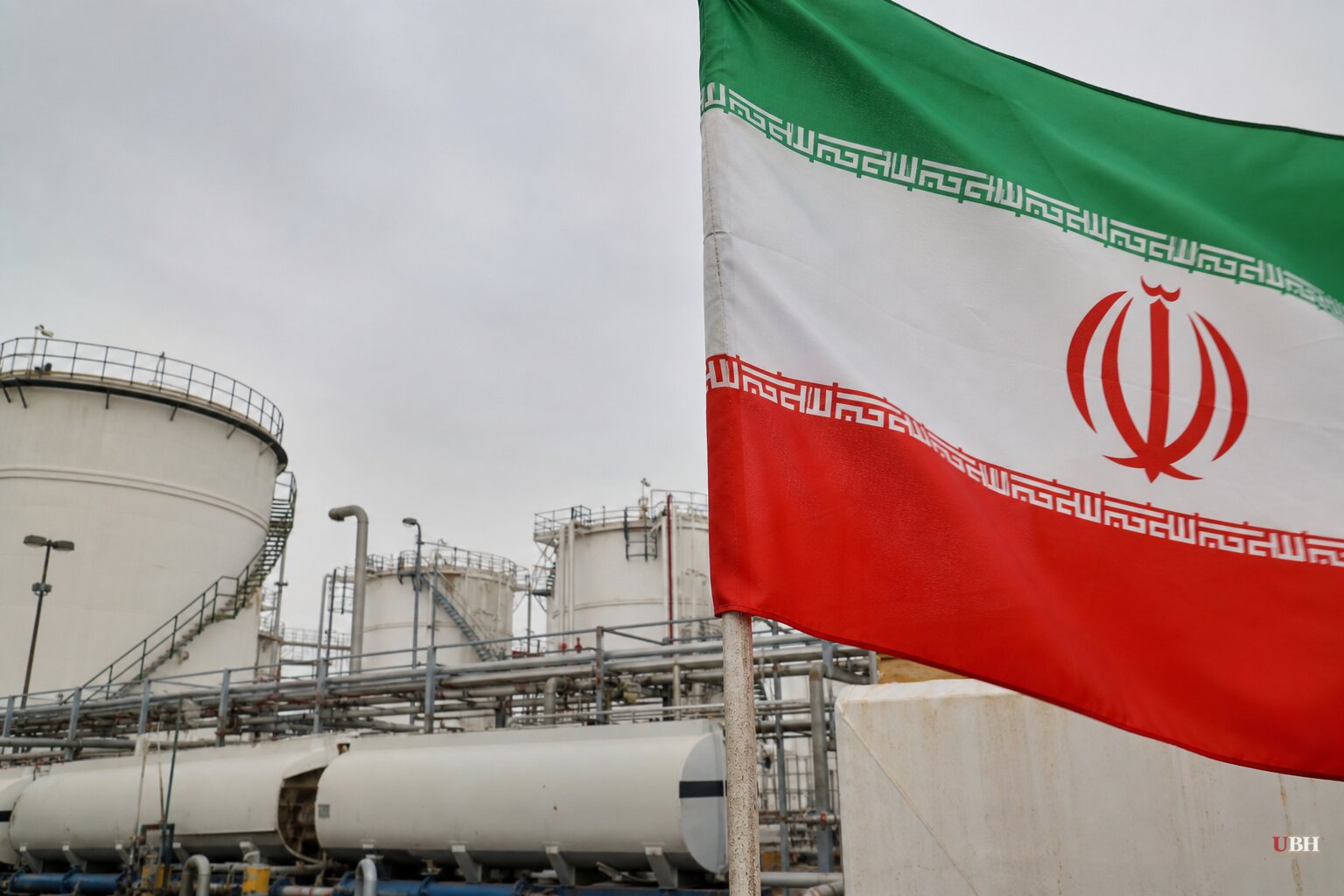
Iranian President Masoud Pezeshkian said the quiet part out loud Friday night. On state television, he admitted the U.S. blockade has cut Iran's imports and exports by 25 to 35 percent, and that gasoline, one of the country's most basic needs, isn't getting through.
"The route is now blocked, and goods are not coming in," Pezeshkian said, according to Breitbart. "One of those goods is gasoline." His government is now weighing whether to double the price of gasoline purchased beyond subsidized quotas.
Treasury Finds Its First Target
The admission landed the same week Treasury Secretary Scott Bessent put muscle behind what officials are calling Operation Economic Outcast, a campaign he launched Monday, August 24, vowing to "asphyxiate" the Iranian regime and "sever every economic lifeline" keeping it afloat, according to Breitbart.
On Friday, Treasury proposed cutting Banque Misr UAE off from correspondent access to U.S. banks, identifying its Emirati operations as a "critical node" linking Iranian shadow-banking networks to the dollar system. Treasury says the bank processed roughly $1.8 billion over two and a half years for 103 companies potentially tied to those networks, including apparent fronts connected to the Islamic Revolutionary Guard Corps and Iran's defense establishment.
"Banque Misr UAE decided to find out the hard way," Bessent said, according to Breitbart, calling it "the first step in holding it accountable for its continued, egregious support of the Iranian regime." Treasury also targeted a Bank Melli branch manager in Dubai and a facilitator in Hong Kong.
The Strait Is Open, But Iran Isn't Shipping
Adm. Brad Cooper, commander of U.S. Central Command, said Thursday that U.S. forces cleared Iranian mines from the Strait of Hormuz's international shipping lanes and that commercial traffic is building. Nearly 1,500 vessels carrying roughly 750 million barrels of oil have moved through the strait under U.S. Navy protection, Cooper said, according to Fox News. Iran itself has exported nothing from its own shores since the blockade resumed in mid-July, per CENTCOM figures cited by Breitbart.
The Epoch Times adds important context. Citing the Belgium-based tracker Kpler, it reports that roughly 300 ships, mostly Saudi, UAE and Kuwaiti tankers along with uninsured Greek-owned "bunkers," have made more than 1,510 "dark transits," running with transponders off and transferring crude to other tankers in the Arabian Sea. That traffic is moving, but not exactly transparent. The IMF expects Iran's economy to contract more than 5 percent in 2026, with inflation near 80 percent since the war with Israel began in February, according to the Epoch Times.
Who Actually Buys Iranian Oil
Bessent didn't name China in his Monday warning, but CNN reports that's clearly who he means. The U.S.-China Economic and Security Review Commission found Chinese purchases account for roughly 90 percent of Iran's oil exports, worth tens of billions of dollars a year. China's Iranian crude imports have already fallen from about 1.4 million barrels a day before the war to around 700,000 now, according to Vortexa analyst Emma Li, cited by CNN.
China's Foreign Ministry spokesman Lin Jian pushed back Monday: "Sanctions and pressure tactics do not help in resolving issues. They will only lead to escalation that serves no one's interest," he said, adding that Beijing "will take all necessary measures to firmly safeguard its own rights and interests." Squeezing China's energy supply through sanctions carries real risk of retaliation that could hit American businesses or markets, and Beijing has leverage of its own, including rare earth exports and Treasury holdings.
The Cost to Americans
The national average for gas has topped $4 a gallon, with midterms less than 75 days out as of an August 23 report. Columbia University's Center on Global Energy Policy, in an August 28 analysis, found the real crunch isn't crude, it's refined fuel. Crude sits around $90 a barrel, well below April's wartime peak above $125, but U.S. diesel crack spreads jumped over $100 a barrel in mid-August. Jet fuel trade is down roughly a third year over year, and diesel shipments globally are down 20 percent, according to the Columbia researchers, driven by strikes on Middle East and Russian refineries alongside the Hormuz disruptions.
The sanctions machine is grinding down Iran's economy, that much is documented and even confirmed by Iran's own president. Whether it forces real concessions before November's midterms, or just squeezes American drivers and hands China another grievance to nurse, remains an open question. Lloyd's List editor-in-chief Richard Meade said August 20 that military escalation has "dialed down" partly because of midterm calculations in Washington. Treasury's next move: pressing G20 finance ministers, meeting in Asheville, North Carolina this week, to cut off Iran's remaining economic lifelines.
Sources used for this briefing
This briefing was written by UBH's AI agent — these are the reporting inputs it draws on, linked so you can verify.


