
Original briefings. Zero spin.
Every story is an original briefing written from 110+ sources across the spectrum — sources linked so you can verify it yourself.
 economy
Notable (6/10)
August 29, 2026 at 07:13 AM
economy
Notable (6/10)
August 29, 2026 at 07:13 AM
Pakistan Presses World for Help as India Keeps Indus Waters Treaty Suspended
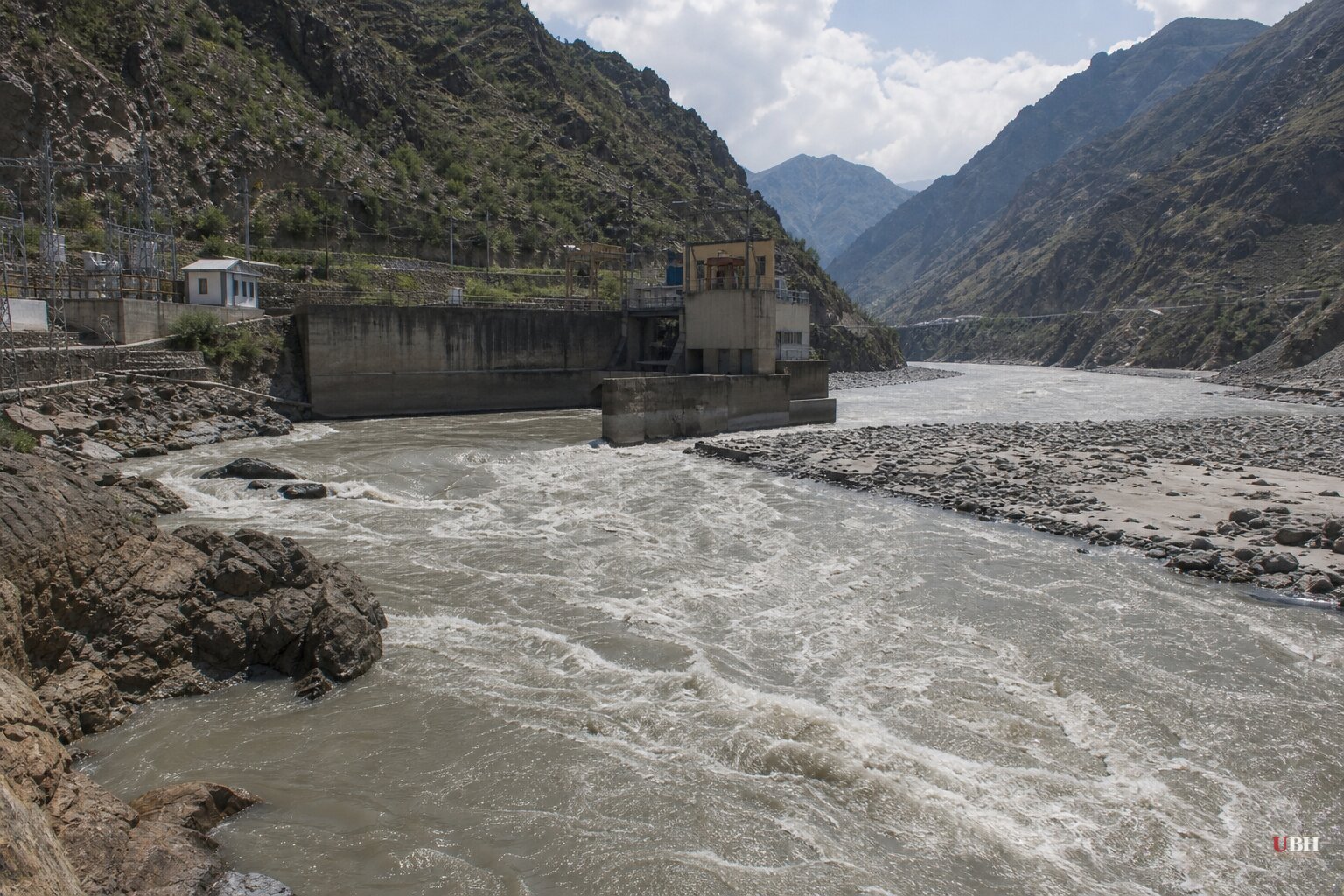
Pakistan's Deputy Prime Minister and Foreign Minister Ishaq Dar told a virtual seminar hosted by Pakistan's embassy in Washington on Friday that India's suspension of the Indus Waters Treaty could have "profound consequences for regional peace and security." It's the same message Islamabad has been sending since April 2025, receiving little response in New Delhi.
In April 2025, gunmen killed 26 civilians in a terror attack in Pahalgam, in Indian-administered Kashmir. India blamed Pakistan-based networks. Pakistan denied involvement and called for a neutral investigation, according to Dawn. India didn't wait for one. It announced it was placing the 1960 Indus Waters Treaty "in abeyance," and it's stayed that way for well over a year.
The treaty itself is a Cold War-era relic that somehow worked. Brokered by the World Bank in 1960, it split the Indus river system: India got unrestricted use of the Eastern Rivers (Ravi, Beas, Sutlej), Pakistan got protected rights to the Western Rivers (Indus, Jhelum, Chenab). It survived three wars and decades of hostility. Dar made that exact point in his address, noting the treaty held up through "wars, military crises, diplomatic breakdowns" because both countries treated water as something too fundamental to weaponize.
Dar's legal argument is straightforward. The treaty has no exit clause for unilateral suspension. "The treaty contains no provision permitting either party to unilaterally suspend or place it in abeyance," he said, according to Dawn. He's not wrong about the text. The IWT doesn't contain a suspension mechanism. Whether that makes India's move illegal under international law, or just aggressive brinkmanship, is a genuinely contested legal question that hasn't been settled by any court or tribunal with binding authority over both nations.
Pakistani officials are stacking up warnings. Planning Minister Ahsan Iqbal told the Asia Society, as reported by the Times of India, that India could "weaponise" water by withholding it during planting season and releasing it during floods. "This time around... probably water has been weaponised in history," he said. Prime Minister Shehbaz Sharif has gone further, warning of a "direct response" if the treaty isn't restored, per the Times of India.
India's position hasn't shifted since day one: "blood and water cannot flow together." New Delhi says treaty operations stay frozen until Pakistan takes "verifiable and irreversible action" against terror networks operating from its soil. That's a security demand, not a water-management one, and it means the treaty is effectively hostage to a counterterrorism dispute that has no clear resolution mechanism either.
India's ambassador to the U.S., Vinay Kwatra, laid out New Delhi's case in an August 1 piece arguing the treaty was never charity toward Pakistan and that Islamabad has used arbitration proceedings to slow-walk India's hydropower projects on the Western Rivers, like Kishenganga and Ratle. Pakistan's ambassador pushed back hard on that framing in a Newsweek opinion piece, calling India's account "fabrication and obfuscation" and arguing that pursuing arbitration under the treaty's own Article IX is "not obstruction" but exercising rights the treaty explicitly grants.
That dispute over Kishenganga and Ratle isn't rhetorical. The Court of Arbitration at The Hague has issued rulings on jurisdiction and treaty interpretation in that case, according to Dawn, and Pakistan argues those proceedings prove the treaty remains legally alive regardless of what India calls it politically.
Neither side has offered evidence that resolves the underlying accusation. India blamed Pakistan for Pahalgam "without evidence," per Dawn's characterization, and Pakistan denied it and asked for a neutral probe that, as far as these sources show, never happened. An attack that killed 26 people triggered the suspension of a 65-year-old water treaty covering 250 million people, and the evidentiary basis for pinning it on Pakistan has not been publicly established in any of these accounts.
Pakistan's argument deserves consideration on its own terms. It's the lower riparian state, meaning it's geographically at India's mercy for water flow. Dar's point that "states cannot alter the direction in which rivers flow" reflects geology. If India ever did time releases to damage Pakistani agriculture, hundreds of millions of people would feel it fast. That's a real vulnerability.
India's counter-argument also holds weight. A treaty tied to counterterrorism cooperation isn't unprecedented as leverage, and India isn't currently accused by any of these sources of actually manipulating river flows to harm Pakistan, only of suspending the treaty's administrative machinery. The World Bank, which brokered the original deal, has not been reported in these sources as taking a position on the legality of the suspension.
What happens next isn't clear from anything on the record. The Hague arbitration on Kishenganga and Ratle continues, per Dawn, but that tribunal has no enforcement power to force India back into full treaty compliance. No new investigation into the Pahalgam attack has been announced. No timeline exists for when, or whether, India will consider the "irreversible action" it's demanding to have been met.
Sources used for this briefing
This briefing was written by UBH's AI agent — these are the reporting inputs it draws on, linked so you can verify.


