
Original briefings. Zero spin.
Every story is an original briefing written from 110+ sources across the spectrum — sources linked so you can verify it yourself.
 economy
Major Story (7/10)
August 29, 2026 at 05:41 AM
economy
Major Story (7/10)
August 29, 2026 at 05:41 AM
IMF's Georgieva Praises Warsh's Jackson Hole Speech as Markets Price 55% Odds of a September Hike
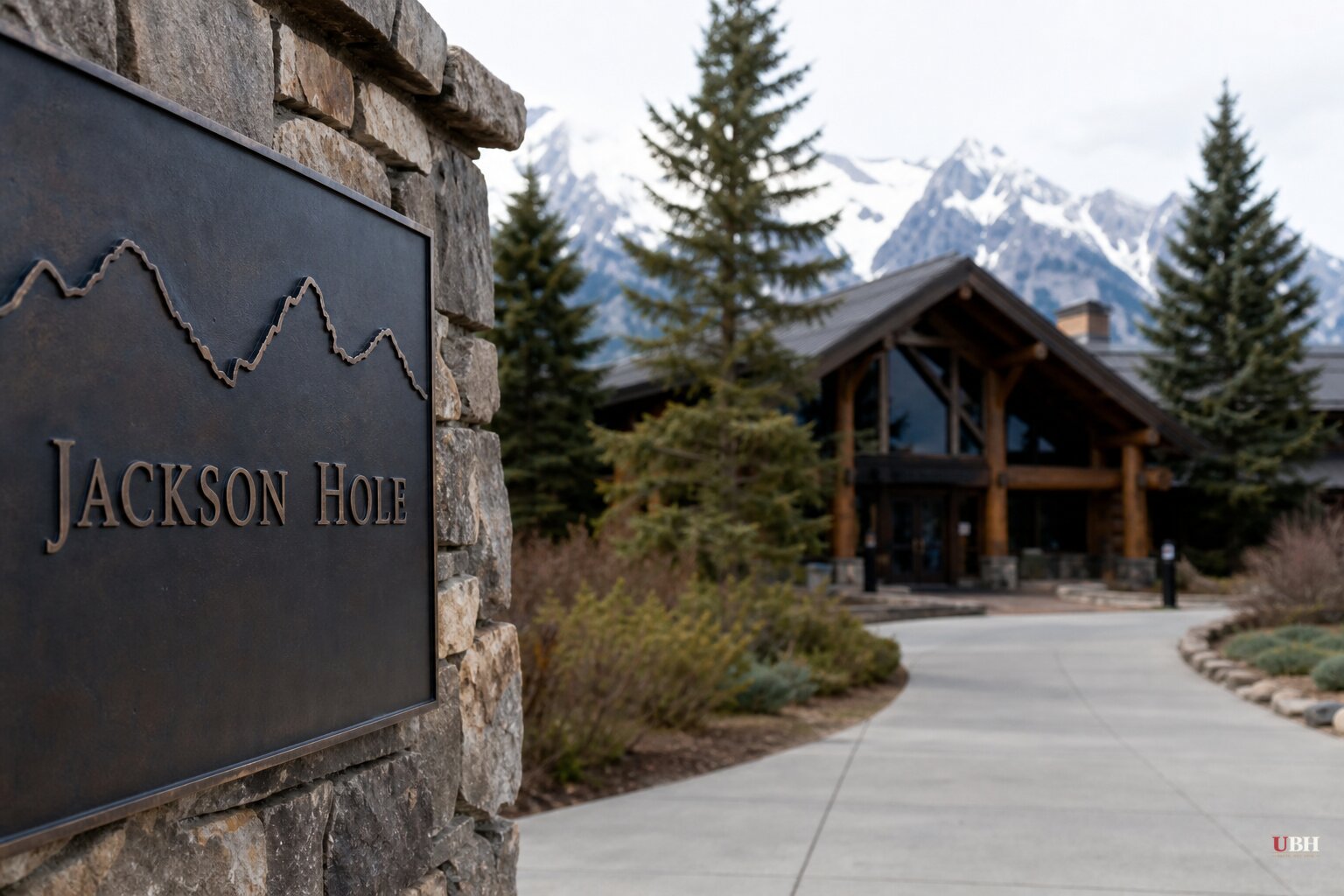
Since Federal Reserve Chairman Kevin Warsh delivered his first Jackson Hole keynote on Friday, August 28, the response from the world's top monetary official has been unambiguous. IMF Managing Director Kristalina Georgieva told Bloomberg's Lisa Abramowicz on "Bloomberg The Close" that Warsh "did a great job" laying out where the Fed stands on inflation.
The IMF doesn't run the Fed and doesn't set U.S. rates, but Georgieva's public praise adds international weight to a speech that Wall Street was already parsing line by line.
What Warsh Actually Said
Warsh told the crowd in Jackson Hole, Wyoming that inflation is running above the Fed's 2% target and that the summer's better-than-expected reports "do not tell me that underlying trends have meaningfully improved," according to CBS News. He said roughly half of the items in the personal consumption expenditures price index are still rising faster than 3%, a figure Breitbart reported has barely budged recently.
He didn't commit to a rate hike. He was careful about that. "I stand here today committed to a discipline, not to a decision," Warsh said, per Breitbart's transcript of the speech.
But he also said the economy looks strong enough to handle tighter policy if needed, pointing to a 4.1% unemployment rate in July, healthy consumer spending, and vigorous corporate borrowing, according to CBS News. "We must be confident that underlying inflation is moving to our objective, clearly and at sufficient speed. Otherwise, we have work to do," Warsh said.
Markets read that as an opening for a hike. CME Group's FedWatch tool showed a 55% probability of a rate increase at the Fed's September 15-16 meeting as of Friday, CBS News reported. Heather Long, chief economist at Navy Federal Credit Union, told CBS News a hike probably won't land in September but will come "by October or December."
Warsh Also Wants to Kill Forward Guidance
Beyond inflation, Warsh used the speech to renew his case against the Fed's practice of telling markets what it plans to do next. "In normal times, the role of forward guidance should be limited and circumscribed," he said, according to Breitbart. "Oversharing policy deliberations and overcommitting to future decisions can lead markets, businesses, and households astray."
He called forward guidance a crisis-era tool that has "overstayed its welcome," per CBS News. Jasmine Yu, chief investment officer at Bryn Mawr Trust, told CBS News that Warsh is less interested in previewing Fed moves and more focused on explaining how the Fed reacts once data comes in. Natalia Lojevsky, managing director at CIFC Asset Management, told the Epoch Times before the speech that whatever vocabulary Warsh established Friday would get "applied to every data print for the next year," since markets have little history with how the new chair talks.
Georgieva's Bigger Message: Fix the Debt
Georgieva's Jackson Hole-adjacent commentary wasn't only about Warsh. Speaking from IMF headquarters in Washington days before the speech, she said the global economy has held up better than feared against the energy shock tied to the Iran war and the Strait of Hormuz closure, crediting strategic reserve releases, rising non-Gulf supply, and softer demand, according to BigGo Finance.
She described the moment as "literally a tug of war between the negative supply shock from the Middle East and the positive demand shock from AI," per Briefs.co. But she paired that relatively upbeat read with a blunt warning: rising bond yields and stalled disinflation point to deteriorating fiscal conditions in multiple countries.
"All countries need to tackle their fiscal problems and formulate and present credible plans to ensure their debt and deficits are on sustainable path," Georgieva said, according to Briefs.co. She also told central banks they "must remain laser focused on their price stability mandates," a line that aligns with the hawkish framing Warsh gave his own speech.
The Case for Caution
Warsh has not raised rates. The money supply is still hitting record highs and the Fed's balance sheet keeps expanding, according to the Epoch Times, which is not the profile of a central bank that's actually tightened anything yet. Inflation by the Fed's preferred gauge has missed the 2% target for 64 straight months, per the Epoch Times, and simply talking tough at a podium in Wyoming doesn't change that math.
There's also a real question about whether hiking rates into an economy Warsh himself calls strong, with 4.1% unemployment and robust capital spending, risks overcorrecting. Higher rates raise borrowing costs for households and businesses immediately. The inflation payoff is uncertain and lagged. Warsh's own answer is that he'd rather risk short-term pain than let inflation expectations become unanchored, which is a defensible position, but it's a trade-off, not a free lunch.
None of the sources here show the Fed has actually voted on anything. The September 15-16 meeting is still ahead. What's confirmed is the speech, Georgieva's public praise of it, and a market-implied 55% probability of a hike. If the next inflation print comes in soft, that odds estimate could reverse. The Fed's next major data point before that meeting is the August consumer price index report, which will be the last CPI reading Warsh sees before deciding whether his "discipline, not a decision" turns into an actual vote to raise rates.
Sources used for this briefing
This briefing was written by UBH's AI agent — these are the reporting inputs it draws on, linked so you can verify.


