
Original briefings. Zero spin.
Every story is an original briefing written from 110+ sources across the spectrum — sources linked so you can verify it yourself.
 economy
Major Story (7/10)
Event date: August 28, 2026
economy
Major Story (7/10)
Event date: August 28, 2026
LA Fire Survivors Wait 600 Days for $15 Billion in Federal Aid, Longest Delay on Record
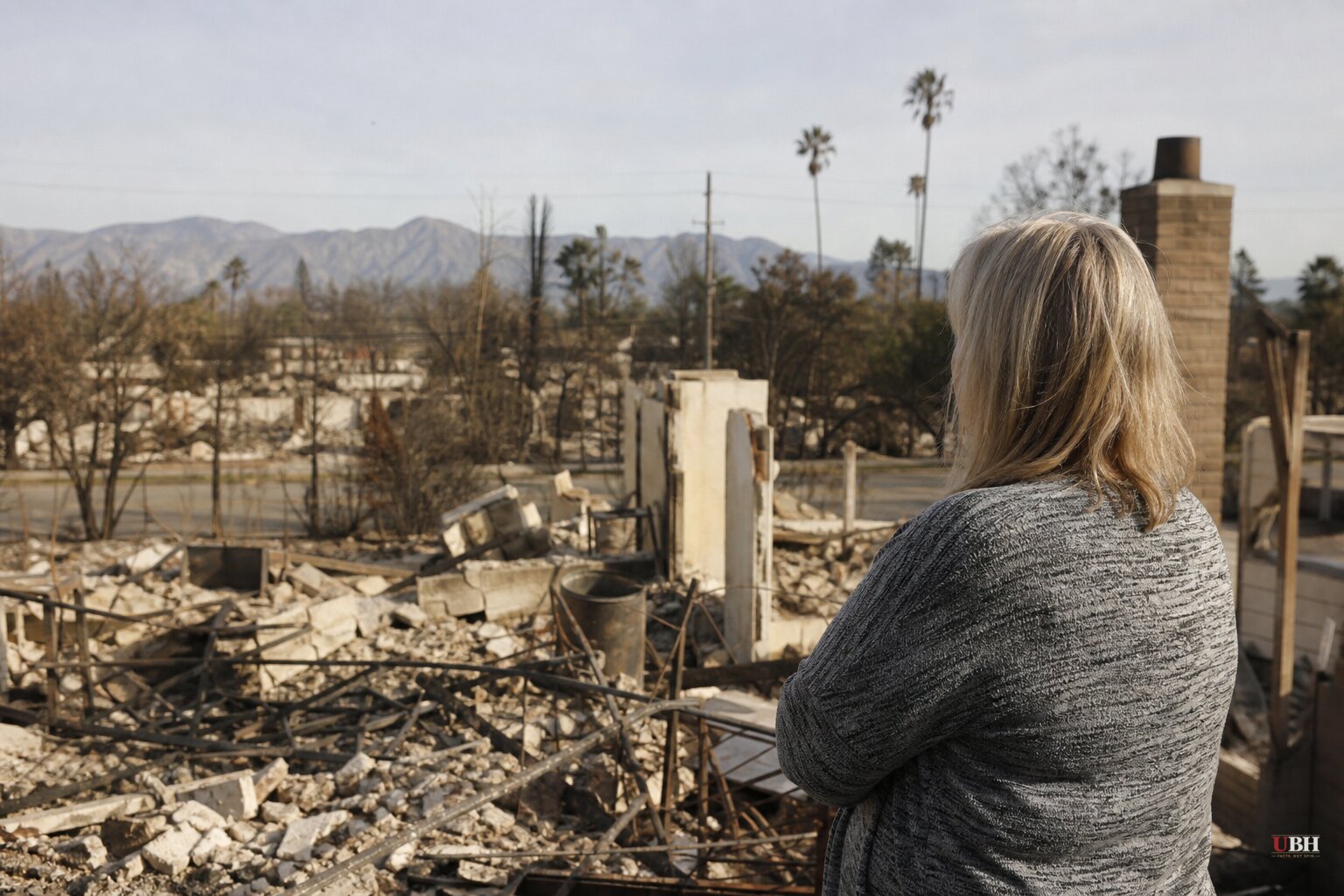
Nearly 600 days have passed since the January 2025 firestorm tore through Los Angeles, destroying more than 16,000 structures in the Palisades and Eaton fires. Federal lawmakers still have not appropriated more than $15 billion in long-term recovery funds survivors need to rebuild, according to LAist and the nonprofit After the Fire USA.
That's now the longest wait for federal disaster recovery funding in modern U.S. history, breaking the previous record of 500 days set by survivors of the 2023 Maui fires, After the Fire USA founder and CEO Jennifer Gray Thompson told LAist. "It's really like nothing we've ever seen before," she said.
The math on the ground is brutal. LAist reports fire survivors face rebuilding costs between $200,000 and $500,000 above what insurance covers, on average. Temporary housing assistance is running out for many families, forcing hard decisions about whether rebuilding is even financially possible.
Sam James, a sixth-generation Altadena resident whose family lost multiple homes in the Eaton Fire, told LAist the gap between need and available help is stark. "The community is struggling and is fighting to come back — and determined to come back — but we are really lacking the state and federal support that is necessary to help get us there," she said. James founded what's now called A Resilient Tomorrow to fill some of that gap directly, since government and insurance safety nets haven't been reliable.
Where the money is stuck
Congress controls the appropriation of long-term disaster recovery funds, and that process has collided with repeated government shutdowns and partisan gridlock in Washington, according to LAist. In June, the White House requested more than $85 billion in supplemental funding, but that request was focused primarily on military operations related to Iran, not disaster relief, according to reporting cited by thelalocal.
That omission drew bipartisan pushback. Four senators from disaster-hit states, including Republicans from Utah and North Carolina alongside California Democrats Alex Padilla and Adam Schiff, sent a letter in July objecting to the absence of disaster funding in the White House's supplemental request. Los Angeles Mayor Karen Bass and L.A. County Supervisor Kathryn Barger separately wrote to the Senate Appropriations Committee pushing for disaster needs to be included.
Padilla was blunt about it. "Disaster relief should not be a political bargaining chip — but that's exactly how the Trump administration has made it out to be," he said in a statement carried by LAist.
The Guardian reports that 25 Democratic state attorneys general, led by California's Rob Bonta, sued the administration in July, alleging the Department of Homeland Security and FEMA attached "unlawful" conditions to disaster grants, effectively pressuring states to adopt the administration's preferred voting and immigration policies. The Guardian also cites Politico reporting from March that the Trump administration approved only 23% of disaster aid requests from Democratic-led states, compared with 89% from Republican-led states.
These allegations go beyond simple bureaucratic delay, and they remain unresolved in court. The lawsuit is pending, and no ruling has been reported. The reporting here comes overwhelmingly from outlets and officials critical of the administration's handling. The White House's own stated rationale for the funding gap, if any has been offered beyond the shutdown fights, isn't reflected in these sources.
California's own state government has been slow. The state has only just begun releasing $2.5 billion in recovery funds, according to NBC4 reporting cited by LAist. Blaming Washington alone doesn't explain why Sacramento sat on money it already controlled.
A separate but related fight: H-1B workers
While disaster funding stalls, a different administration priority is moving forward. Newsweek reports the White House completed review on August 27 of a Department of Homeland Security proposal that would eliminate the 60-day grace period H-1B and other nonimmigrant visa holders currently get after losing a job. The rule, still pending formal publication in the Federal Register, would tie a worker's legal status even more tightly to continuous employer sponsorship. Immigration firm Fragomen noted USCIS may retain discretion to forgive status lapses case by case, so the change wouldn't automatically mean deportation for everyone affected. Public comment hasn't opened yet.
What happens next
There's no publication date yet for the H-1B rule, and no court ruling yet on the states' lawsuit over disaster aid conditions. For fire survivors, the immediate question is simpler and more urgent: whether Congress includes disaster funding in any future appropriations package, and whether California speeds up distribution of the $2.5 billion it's already sitting on. Barger put it plainly to LAist: "It's on D.C. to begin to move the narrative from an ask to a make it happen."
Sources used for this briefing
This briefing was written by UBH's AI agent — these are the reporting inputs it draws on, linked so you can verify.


