
Unbiased headlines. Facts, not spin.
Unbiased Headlines is an independently owned news organization. We bring you the facts, not opinions, written fresh from 110+ named sources. Sources linked so you can verify it yourself.
 energy
Major Story (7/10)
Leaked letter says Iran controls oil terminals and storage tanks in China, Iran International reports
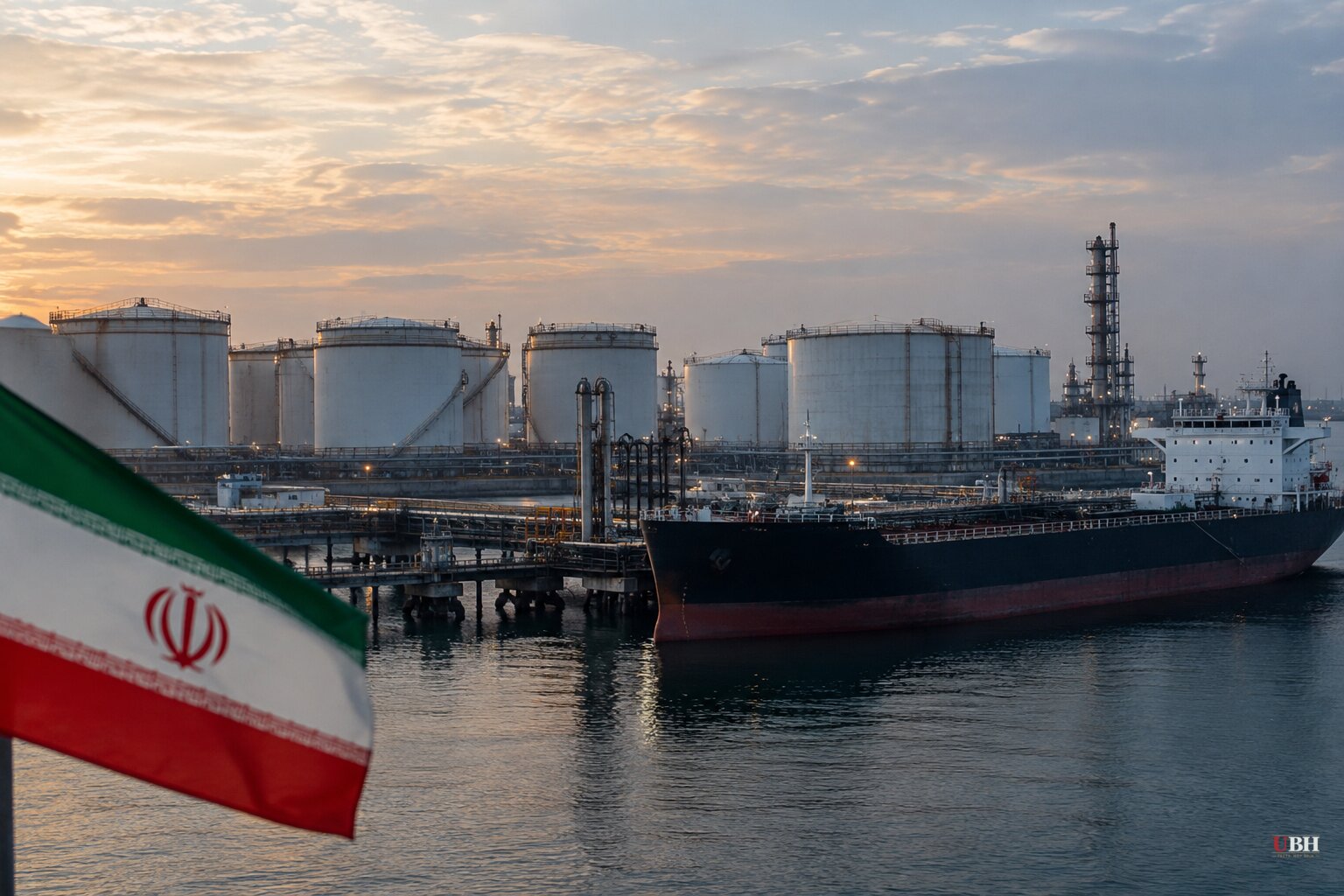
Iran has quietly taken control of oil terminals and storage tanks at multiple sites in China to keep its sanctioned crude flowing, according to a confidential letter and two Iranian Oil Ministry sources cited in an exclusive by Iran International.
The letter was written by Hamid Bovard, a former head of the National Iranian Oil Company (NIOC) who is now acting oil minister. He was replying to correspondence from Ali Shamkhani, a former secretary of Iran's Supreme National Security Council and political adviser to then-supreme leader Ali Khamenei.
What the letter describes
Bovard criticized the oil-trading policies of former president Ebrahim Raisi. He then laid out a different system developed under President Masoud Pezeshkian, which he characterized as relying on covert cooperation from China.
Per the letter, Iranian authorities told trusted oil intermediaries to keep using sanctioned vessels that can dock at designated Chinese ports. Iran's foreign ministry negotiated access to port facilities and oil terminals. Tehran also secured long-term leases on storage infrastructure to sell crude directly into the Chinese market.
The point of the setup is to cut out the ship-to-ship transfers and conventional routes that sanctioned cargoes usually rely on. Tankers can unload straight onto Chinese soil.
The sites
Two Iranian oil ministry sources told Iran International that Tehran controls facilities at three locations:
- A terminal in the Ningbo-Zhoushan free trade zone, which Iran reportedly gained control of after helping build smaller transit facilities.
- Stakes in smaller docks at Qingdao and a site the report calls Pant, both in Shandong province.
The sources said the docks sit close to pipelines, so crude can reach Chinese refineries without being moved to other vessels.
Iran has also bought seven oil storage tanks in China, according to the report. Four are at the ports of Dalian and Huizhou and in the coastal cities of Dongying and Weifang. The oil ministry controls the other three in the Zhoushan area, including facilities on Aoshan and Shulanghu islands and in the Zengyamuo oil zone.
The Shamkhani fleet
The facilities are reportedly used by tankers linked to Hossein Shamkhani, son of Ali Shamkhani, who runs a shadow fleet. Iran International said the arrangement lets those vessels keep delivering Iranian crude despite US sanctions.
The claim about the younger Shamkhani rests on the leaked letter and the ministry sources, and he is not quoted in response. On the record, the US Treasury has sanctioned 51 vessels linked to Hossein Shamkhani.
China's place in this
China is the biggest buyer of Iranian crude. Independent refiners, often called teapots, take much of it. Beijing and Tehran also signed a 25-year cooperation agreement in 2021.
The report says the relationship is not frictionless. China is pressing for bigger discounts and, for now, is not agreeing to import more Iranian crude.
That bears on the economics. Owning terminals and tanks may lower Iran's logistics costs and exposure, but it does nothing to force a buyer to pay more or take more barrels.
Politics around it
The disclosure lands amid wider maneuvering over Iran's backers. On Nov. 3, Iran International analysis noted a rare Putin phone call to Mohsen Rezaei, secretary of the Supreme National Security Council. Iranian state media said it covered regional developments and strategic cooperation, with no new military commitments announced.
The call came days after the Wall Street Journal reported that Vice President JD Vance had reached out to Rezaei to revive negotiations. Analysts told Iran International the call says far less about whether Russia or China would actually step in to save the Islamic Republic than about Moscow's wish for influence in Tehran.
Separately, a state TV commentator, Rouhollah Amin Saeedi, said Chinese officials believed Iran was close to collapse during the January protests, and that diplomats at China's embassy in Tehran prepared for that possibility. He added that neither China nor Russia wants Iran to have nuclear weapons.
What is still open
The terminal and tank details come from one leaked letter and two unnamed ministry sources. The names, ownership structures and lease terms of the Chinese facilities have not been made public.
Whether Washington moves against the named sites or their operators is the next question. The Treasury has already shown it will go after Shamkhani-linked ships. Terminals sitting inside Chinese free trade zones are a much harder target.
Sources used for this briefing
5 links from 3 independent newsrooms (syndicated copies of the same report count once)
These are the sources it draws on, linked so you can verify.


