
Original briefings. Zero spin.
Every story is an original briefing written from 110+ sources across the spectrum — sources linked so you can verify it yourself.
 energy
Major Story (7/10)
August 21, 2026 at 09:58 PM
energy
Major Story (7/10)
August 21, 2026 at 09:58 PM
Iraq Wants OPEC to Double Its Oil Quota to 8-10 Million Barrels a Day Within Six Years
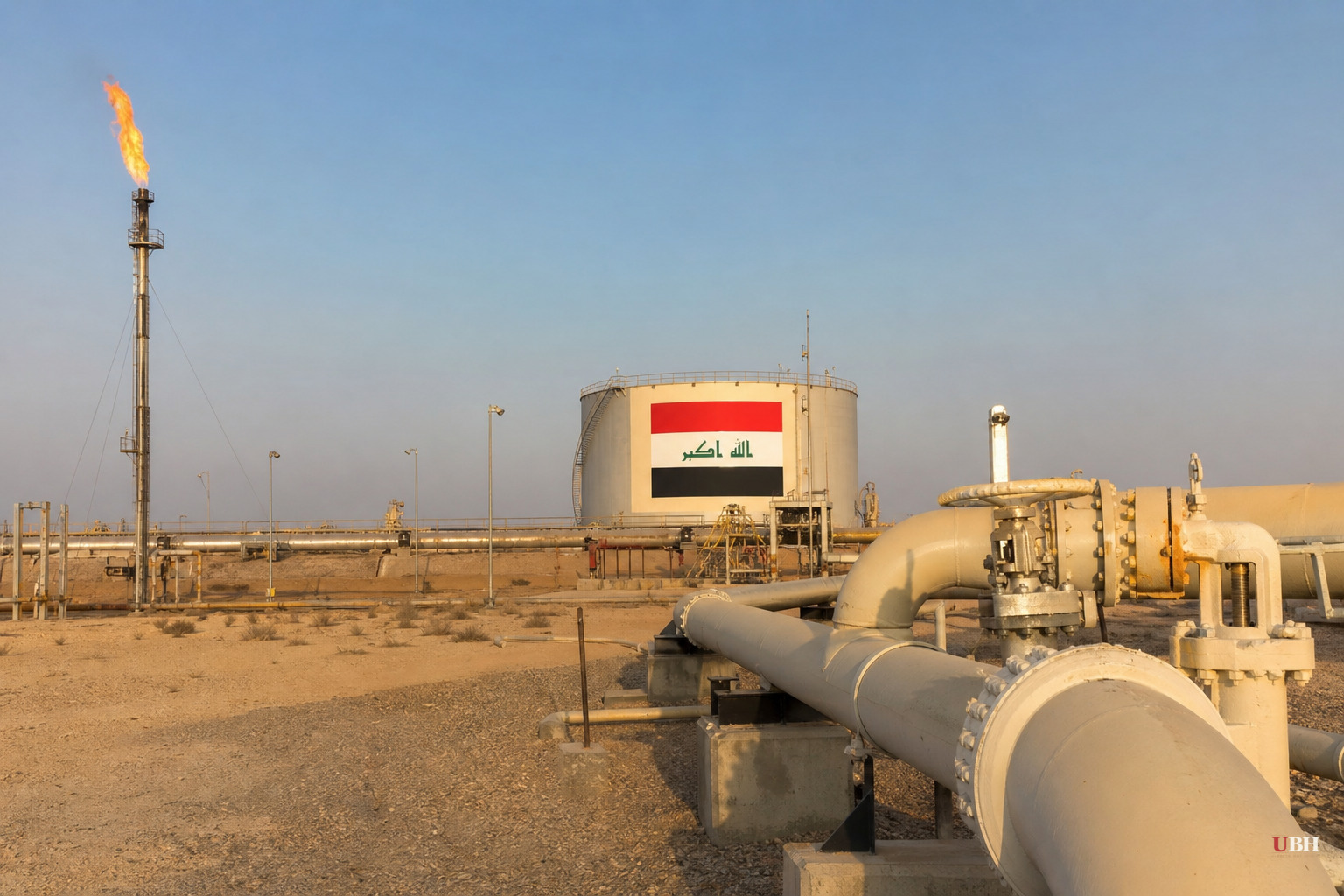
Iraq wants OPEC to get out of its way. Prime Minister Ali al-Zaidi delivered that message at the Baghdad Dialog conference on Friday, August 21, where he announced Iraq is targeting 8 to 10 million barrels per day of oil production within six years, according to Energy News Beat and Daily Sabah.
That would be more than double Iraq's current output, a significant production goal for a country recovering from recent conflict.
The Numbers
Before the February 2026 escalation between Iran and the United States choked off the Strait of Hormuz, Iraq was producing roughly 4 to 4.4 million barrels a day, according to Energy News Beat. The International Energy Agency estimates Iraq's sustainable capacity at around 4.9 million bpd under normal conditions.
The war disrupted production severely. Iraq's seaborne exports briefly collapsed below 100,000 bpd in May, according to Energy News Beat. Al-Zaidi confirmed to the Baghdad panel that Iraq was forced to halt production at most of its oil fields during the conflict because reservoirs filled up, Daily Sabah reported.
Recovery has been slow but real. Exports climbed back to around 49 million barrels in July, and Iraq hit roughly 2 million barrels per day in the first two weeks of August, its highest export level since the war started, according to Daily Sabah. Iraq's current OPEC quota sits near 4.378 million bpd as of July, per Energy News Beat.
The gap between what Baghdad wants (8-10 million bpd) and what it's currently allowed (4.378 million bpd) is the central issue.
Routing Around Hormuz
Al-Zaidi told the panel Iraq is building export routes that don't depend on the Strait of Hormuz, which carries the bulk of Iraq's crude to global markets and remains vulnerable to disruption. Baghdad is working to expand shipments through Türkiye's Ceyhan port, Syria's Baniyas port, and Jordan's Aqaba port, according to Daily Sabah.
During the height of the Hormuz shutdown, Iraq resorted to moving crude by tanker truck through Syria and by pipeline to Ceyhan, Daily Sabah reported. Crude sales make up nearly 90% of Iraq's government revenue, so any disruption to export routes is a direct hit to the state budget.
Baghdad's Diplomatic Push
Al-Zaidi disclosed that Iraq's oil and finance ministers traveled to Saudi Arabia the same day as his Baghdad remarks, seeking a higher production quota from OPEC's de facto leader, according to Energy News Beat.
The United Arab Emirates formally exited OPEC on May 1, 2026, after decades of membership, citing a need to align output with its own national interests rather than stick to constrained quotas, per Energy News Beat. Iraq itself reportedly weighed leaving OPEC back in June 2026 if quotas weren't raised, though Iraqi officials later walked that back and said withdrawal was never the official position.
OPEC+ has hired the Texas consultancy DeGolyer and MacNaughton to independently assess maximum sustainable capacity for most member countries, including Iraq. Those findings are due to the OPEC Secretariat by the end of September 2026, setting up contentious negotiations over new 2027 production baselines, according to Energy News Beat.
The U.S. Angle
Iraq's oil ambitions are colliding with a bigger geopolitical shift. U.S.-led coalition forces are on track to fully withdraw from Iraq by September 30, according to the Epoch Times, ending a military presence that started with the 2003 invasion.
Al-Zaidi met U.S. Central Command chief Adm. Brad Cooper in Baghdad on August 12 to confirm the deadline holds. "October 1 will mark a new day in the trajectory of the Iraqi state," al-Zaidi said, according to the Epoch Times.
The military exit and the oil push are connected in Baghdad's messaging. At a July 14 White House meeting with President Trump, al-Zaidi laid it out plainly: "On the 30th of September, the U.S. forces will be out of Iraq, while these companies will be inside Iraq," he said, per the Epoch Times. His office named HKN Energy, Halliburton, General Electric, and Chevron as companies moving into Iraqi projects. Trump responded by saying, "We have tremendous oil partnerships all of a sudden being formed over the last short period of time."
That's the trade Baghdad is making: American troops leave, American energy companies stay and expand.
What Remains Uncertain
Iraq's 8-10 million bpd target is a stated goal, not a done deal. It depends on OPEC granting a much larger quota, on Saudi Arabia's willingness to cede market share to a founding OPEC member that's historically struggled to hit even its current allocations, and on Iraq actually rebuilding fields and export infrastructure fast enough to use any new quota it gets.
Iraq has a long track record of quota non-compliance and infrastructure delays. Promising 8-10 million bpd in six years is easier to announce at a podium in Baghdad than to deliver against reservoir realities and OPEC politics in Riyadh.
The DeGolyer and MacNaughton capacity assessment, due to OPEC by the end of September 2026, will be the first real technical test of whether Iraq's ambitions match what its fields can actually sustain. Whether Saudi Arabia agrees to expand Iraq's slice of the OPEC+ pie, or forces Baghdad to choose between staying in the cartel and chasing full capacity outside it, remains an open question heading into 2027 quota negotiations.
Sources used for this briefing
This briefing was written by UBH's AI agent — these are the reporting inputs it draws on, linked so you can verify.


