
Original briefings. Zero spin.
Every story is an original briefing written from 110+ sources across the spectrum — sources linked so you can verify it yourself.
 energy
Notable (6/10)
August 21, 2026 at 01:35 PM
energy
Notable (6/10)
August 21, 2026 at 01:35 PM
UN Desertification Summit in Mongolia Weighs $12 Billion in Pledges While Herders Lose Millions of Livestock
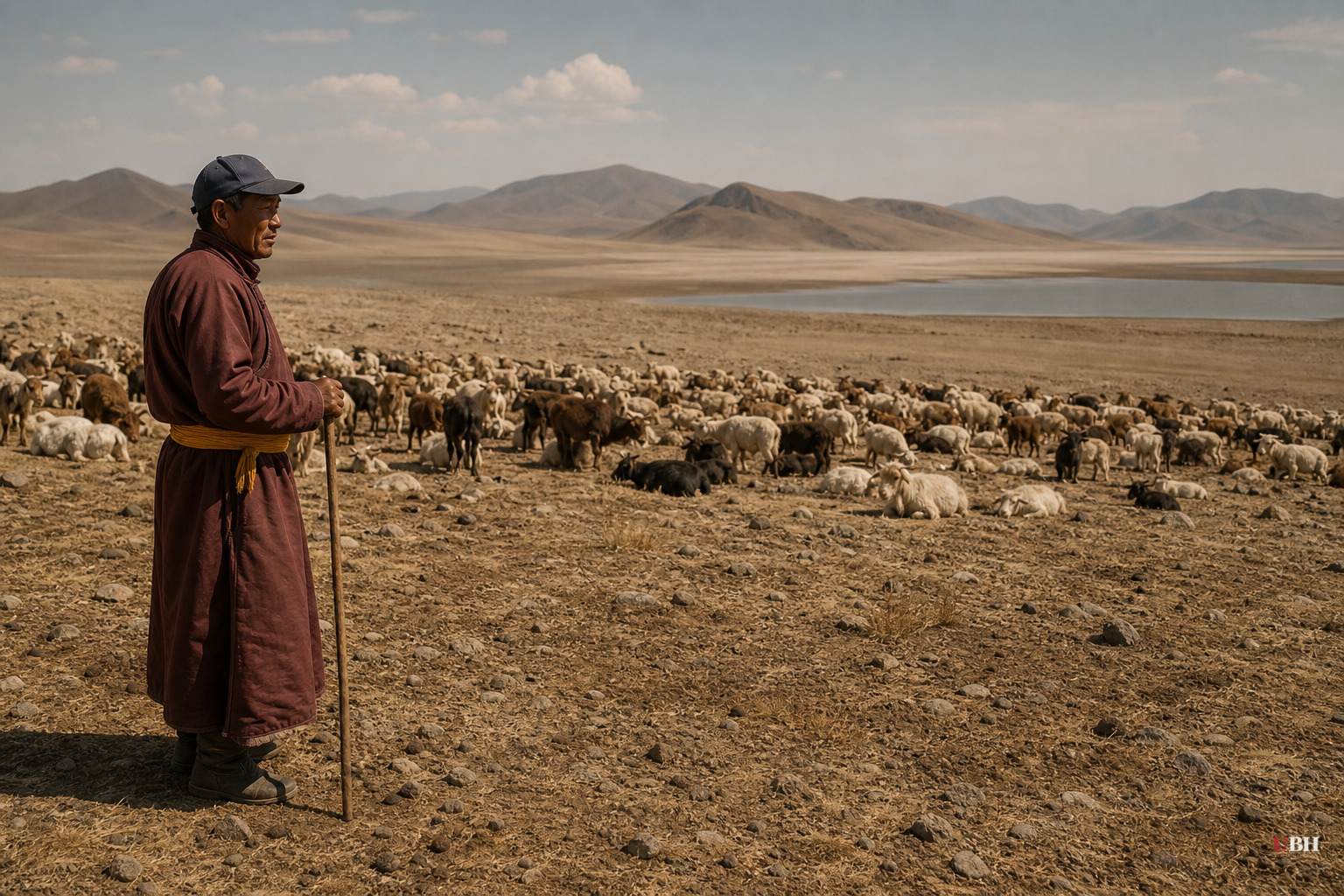
Nearly 200 countries and the European Union are gathered in Ulaanbaatar, Mongolia, for a two-week UN summit on desertification that runs through August 28, according to Euronews. It's called COP17, and unlike the more famous climate COPs, this one deals with dying soil, not carbon emissions.
The host country makes the case better than any speech could. Nearly 77% of Mongolia's land is degraded, according to UN News. Mongolian herders lost more than seven million livestock to drought and brutal winter conditions known as dzud in 2023 and 2024 alone, UN News reported, citing figures shared by officials at the summit.
Mongolia's Minister for Foreign Affairs, Battsetseg Batmunkh, put it plainly at the opening: "For Mongolia, land is inseparable from our people, our livelihoods and our future." Prime Minister Nyam-Osoryn Uchral was blunter about what he wants out of the talks, saying the goal is "a shift from talk to action, from targets to implementation, and from commitments to measurable results," according to UN News.
The Guardian reports the summit will spend two weeks deciding how to allocate more than $12 billion pledged to vulnerable countries two years ago at the previous summit in Riyadh. Money that's been promised but, according to speakers at the opening on August 17 cited by Euronews, hasn't been translated into actual projects fast enough.
Who's Paying, and Who's Skeptical
Saudi Arabia, a petrostate that has spent years blocking action on fossil fuels at climate talks, is one of the biggest backers of this particular treaty. The Guardian reports Riyadh hosted COP16 in 2024 and has pledged hundreds of millions of dollars toward land restoration, plus larger sums through coalitions with other nations. Saudi Deputy Environment Minister Osama Faqeeha said land degradation and drought carry "significant impacts on food and water security, biodiversity, climate resilience," per The Guardian.
The United States remains a member of the UN Convention to Combat Desertification even though President Trump withdrew from the Paris climate agreement and the broader UN climate framework, The Guardian noted. This treaty has bipartisan and cross-ideological staying power that the flashier climate COPs don't.
The
Sources used for this briefing
This briefing was written by UBH's AI agent — these are the reporting inputs it draws on, linked so you can verify.


