
Unbiased headlines. Facts, not spin.
Unbiased Headlines is an independently owned news organization. We bring you the facts, not opinions, written fresh from 110+ named sources. Sources linked so you can verify it yourself.
 energy
Major Story (8/10)
Iranian Lawmaker Says Ships From India, China, Iraq and Qatar Are Exempt From Hormuz Restrictions, Some Pay Fees
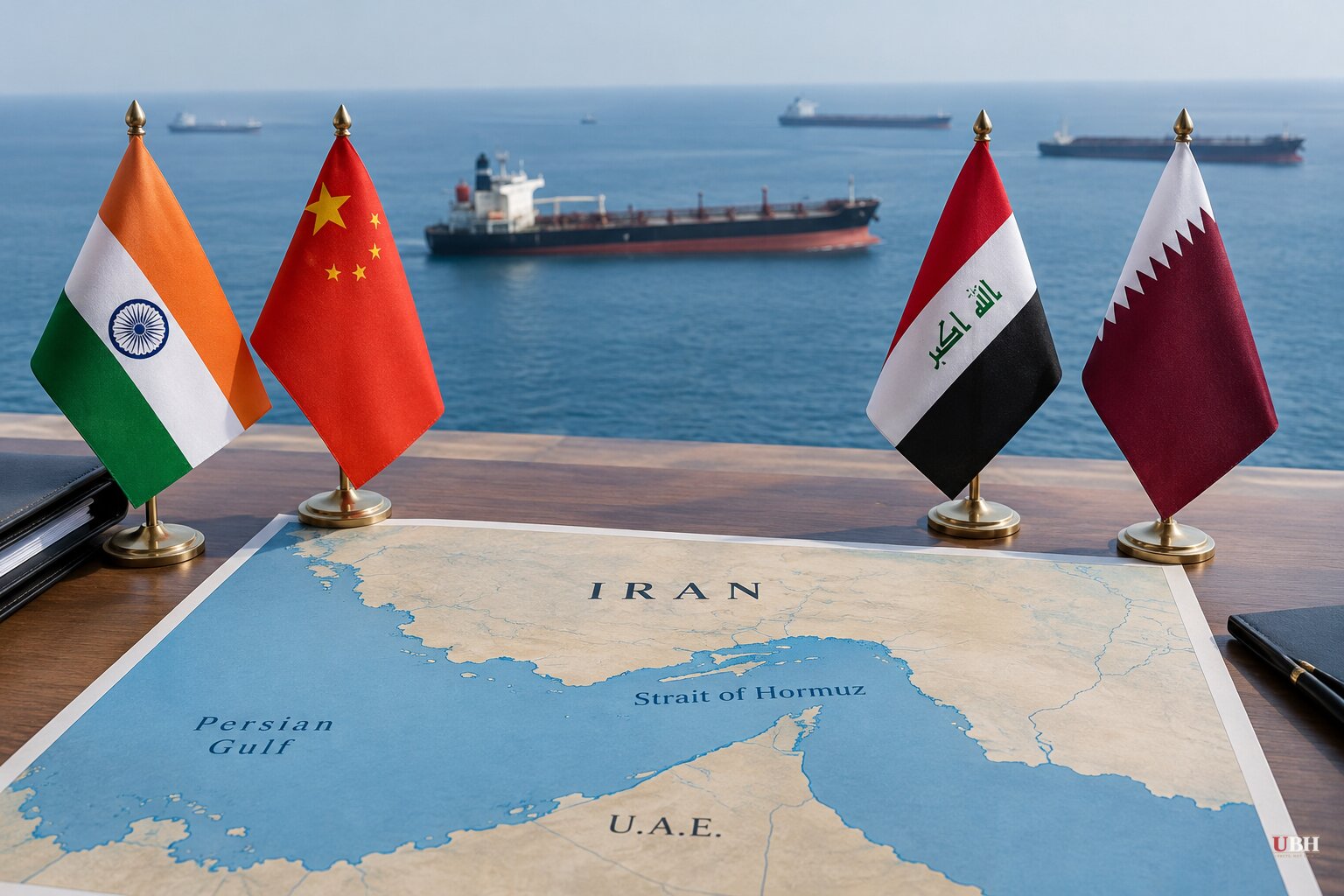
Since the U.S. and Israel launched the war on Iran on Feb. 28, and fighting between Washington and Tehran resumed in July after an April ceasefire, the Strait of Hormuz has been the main pressure point for global energy and shipping. On Tuesday, Nov. 3, a senior Iranian lawmaker laid out who gets through and why.
Amir Hayat-Moghaddam, deputy chairman of the Iranian parliament's national security and foreign policy committee, told the Iranian Students' News Agency that Iran has exempted vessels from India, China, Iraq and Qatar from its transit restrictions.
"We have currently exempted India, China, Iraq and Qatar from transit restrictions in the Strait of Hormuz," he said. "Ships from these countries pass freely, and the Americans do not intercept them either."
The reasons Iran gave
Hayat-Moghaddam was blunt about motive. He said Iran is facilitating Indian shipping so Tehran can import medicines from India. The exemption for Chinese vessels, he said, is meant to secure Beijing's political support.
He described the arrangement in commercial terms: "We are doing business," he said, according to the Times of India's account of his remarks.
He also said Iran collects transit fees from Indian and Chinese ships. Qatari ships pass free of charge. He did not say whether Iraqi vessels pay.
That makes "exempt" a loose word. By his own account, two of the four exempted countries still pay Iran to use the waterway.
What is still restricted
The remarks came as restrictions on other merchant traffic continue. The European Union has said the Islamic Revolutionary Guard Corps Navy has set up a system requiring ships to provide identification and information on cargo and destination before transit.
The strait lies between Iran and Oman. The Hindustan Times put its share at almost 25% of global seaborne oil supplies originating in West Asia.
Shipping has also been under physical attack. Recent days have brought reports of tankers hit by limpet mines, and Indian authorities cited the latest incident involving the Indian-flagged dhow MSV Al-Jusufi, which was struck by an unidentified aerial object near Oman's coast. The Omani Coast Guard rescued 13 crew members.
The Times of India put the death toll from attacks on merchant shipping at 23. The Hindustan Times separately reported that the total toll of Indians killed across West Asia has reached 24, after an Indian injured in an attack on a Saudi airport died.
Why India is watching
India imports almost 90% of its crude oil. About 30% of those imports currently pass through Hormuz, down from roughly 70% in the past, as New Delhi has bought more from Russia, the United States, West Africa and Fujairah in the UAE.
The exposure is still heavy in other fuels. Around 90% of India's LPG imports transit the strait, along with more than 50% of its LNG imports from Qatar and the UAE. The strait is also important for fertiliser imports.
India has repeatedly called for unimpeded movement of energy supplies and freedom of navigation in international waterways, a position at odds with a system in which passage depends on exemptions and fees. After the attacks on shipping, New Delhi also called for an end to strikes on commercial vessels.
Limits of the claim
The statement came from one Iranian lawmaker in an interview. It does not by itself establish that every Indian vessel can pass safely or automatically. India has not publicly confirmed any change to its maritime safety position.
Hayat-Moghaddam also said U.S. forces are not intercepting ships from the four countries. No U.S. official has been quoted confirming or disputing that.
The backdrop is escalating. U.S. strikes on Qeshm island were reported this week, and Iran's president said a return to war benefits "no one." Iran's supreme leader said that any "slightest inclination to surrender will embolden" the U.S.
What comes next
It is unclear whether New Delhi will confirm or reject the arrangement, including the fees Hayat-Moghaddam says Indian ships pay. Neither the Indian government nor Beijing has been quoted responding to his description of the terms. Until they do, Iran's account of a paid-and-exempt corridor for its trading partners is the only version on the record.
Sources used for this briefing
7 links from 7 independent newsrooms (syndicated copies of the same report count once)
These are the sources it draws on, linked so you can verify.


