
Original briefings. Zero spin.
Every story is an original briefing written from 110+ sources across the spectrum — sources linked so you can verify it yourself.
 energy
Major Story (8/10)
August 31, 2026 at 07:31 PM
energy
Major Story (8/10)
August 31, 2026 at 07:31 PM
Iran Sanctions Push Tehran Toward China as Fresh Hormuz Clash Sends European Gas Above €70
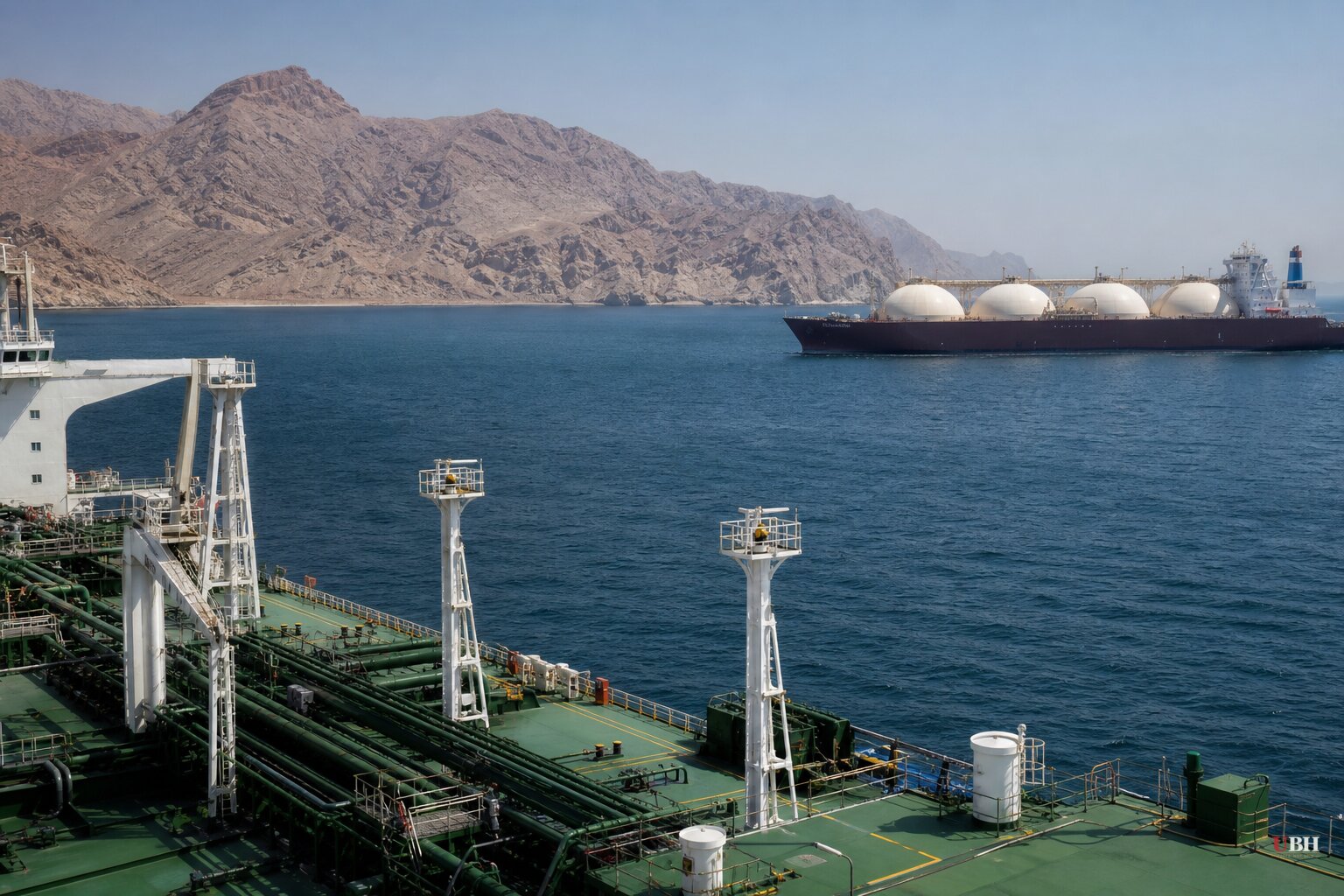
Since U.S. forces struck Iranian rocket launchers near the Strait of Hormuz on Sunday and Iran retaliated with missiles against American forces in Jordan, European energy markets have taken a fresh hit. The Dutch TTF benchmark gas price for October delivery hit an intraday high of €70.85 per megawatt-hour Monday, according to ICE data reported by Euronews.
The renewed exchange revived fears that Gulf LNG shipments, already constrained for months, will face further delays. Roughly one-fifth of global LNG trade normally moves through Hormuz, per Euronews, and the strait remains effectively closed to much of that traffic.
The timing hurts. EU gas storage sat at just 64.7% full as of Monday, according to Gas Infrastructure Europe, below the historical average for late summer. Germany's 70% target and the Netherlands' 80% target both carry a November 1 deadline, and both countries risk missing it. Sebastian Heinermann, managing director of the German gas-storage association INES, told Euronews that if low storage collides with a cold winter, "Germany may no longer be able to cover normal gas demand in full," forcing industrial production cuts.
Diesel Reroutes Around the Middle East
While Europe worries about gas, Africa's diesel supply chain has already been rewired. Middle East diesel exports to Africa fell to just 600,000 to 800,000 tons in August, according to LSEG and Kpler data cited by Reuters, the lowest level in nearly nine years. Saudi Arabia normally supplies about 40% of the roughly half of Africa's diesel imports that come from the Middle East, but shipments from Saudi Aramco's Jazan refinery to Africa dropped to zero in August, down from 163,000 tons in July, after Iran-aligned Houthi forces blockaded Saudi Arabia in the Red Sea and struck the refinery directly.
Asia has stepped into the gap. Exporters including India are set to ship 1.8 million to 2 million metric tons of diesel to Africa in August, according to Kpler, Vortexa and trade sources, the highest volume in at least four and a half years. The economics favor it: the spread between Asian and European gasoil benchmarks widened to minus $135 a ton in August from minus $100 in July, and Asian refining margins on diesel climbed to about $66 a barrel from $61, making westbound cargoes profitable even with the added shipping distance.
How Much Oil Is Actually Missing
The scale of the underlying production shortfall is where sources diverge most. Petroleum geologist Art Berman told Fox News Digital that roughly 8 million barrels a day of Persian Gulf production remains shut in, warning some wells "could take months to restart" and others "may never fully recover."
That figure is broadly in line with the International Energy Agency's August 12 Oil Market Report, which put Gulf production at 23.9 million barrels a day in July, up 2.5 million from June but still 8.3 million below pre-war levels, with global supply running 6.3 million barrels a day below a year earlier. The U.S. Energy Information Administration put July shut-ins closer to 5.5 million barrels a day and said it was raising its August shut-in estimate. EIA expects production and trade patterns to generally return to pre-conflict conditions in early 2027, but cautioned some Gulf producers may not regain their previous output during its forecast period.
A White House official, speaking to Fox News on background, offered a more optimistic framing, pointing to oil prices falling after a memorandum of understanding was signed and stating the Strait of Hormuz is open with a U.S. naval blockade "in full effect." That claim conflicts with the IEA and EIA numbers and Sunday's clash. None of the sources reviewed identify a single reconciled figure for how much Gulf oil is actually flowing versus shut in. The range runs from 5.5 million to 8-plus million barrels a day, depending on the agency.
Sanctions Push Iran Toward Beijing
On the economic front, a late-August rollout of what officials called "economic D-Day" sanctions targets any country doing business with Iran, an unmistakable signal aimed at China, which buys roughly 90% of Iran's oil exports according to the Epoch Times. Treasury officials warned that any entity that helps "turn Iranian oil into money, into repression" will be targeted. President Trump is scheduled to meet Chinese leader Xi Jinping in Washington next month, and it remains unclear, per the Epoch Times, how the sanctions push will affect that relationship.
Iranian President Masoud Pezeshkian, subordinate to a supreme leader who has not been seen publicly since the war began, traveled to Bishkek, Kyrgyzstan, on Monday for the Shanghai Cooperation Organization summit, seeking support from China, Russia and India, according to Breitbart. He told reporters Iran is "not seeking war" but would give a "decisive response" to any aggressor. Of the three major powers, only Indian Prime Minister Narendra Modi had met with him as of Monday. Breitbart reported that China and Russia have kept their distance, with Beijing urging Iran toward diplomacy rather than offering material backing, since the Hormuz standoff has also cut into China's own oil access.
Skeptics of the sanctions strategy have a fair point: squeezing China's Iranian oil trade risks friction with Beijing just weeks before Trump and Xi meet, at a moment when Washington also needs Chinese cooperation on unrelated fronts. Whether that tension shows up at the Xi meeting, or whether Beijing quietly complies to protect its broader U.S. trade relationship, remains to be seen.
The more immediate deadline is November 1, when Germany and the Netherlands are supposed to hit their winter gas-storage targets. With Gulf supply still contested between the White House, the IEA and the EIA, both governments are running out of calendar to close that gap.
Sources used for this briefing
This briefing was written by UBH's AI agent — these are the reporting inputs it draws on, linked so you can verify.


