
Original briefings. Zero spin.
Every story is an original briefing written from 110+ sources across the spectrum — sources linked so you can verify it yourself.
 energy
Major Story (7/10)
Event date: June 2, 2026
energy
Major Story (7/10)
Event date: June 2, 2026
China's Coking Coal Futures Surge Record 46% in August as Shanxi Mine Safety Crackdown Chokes Supply
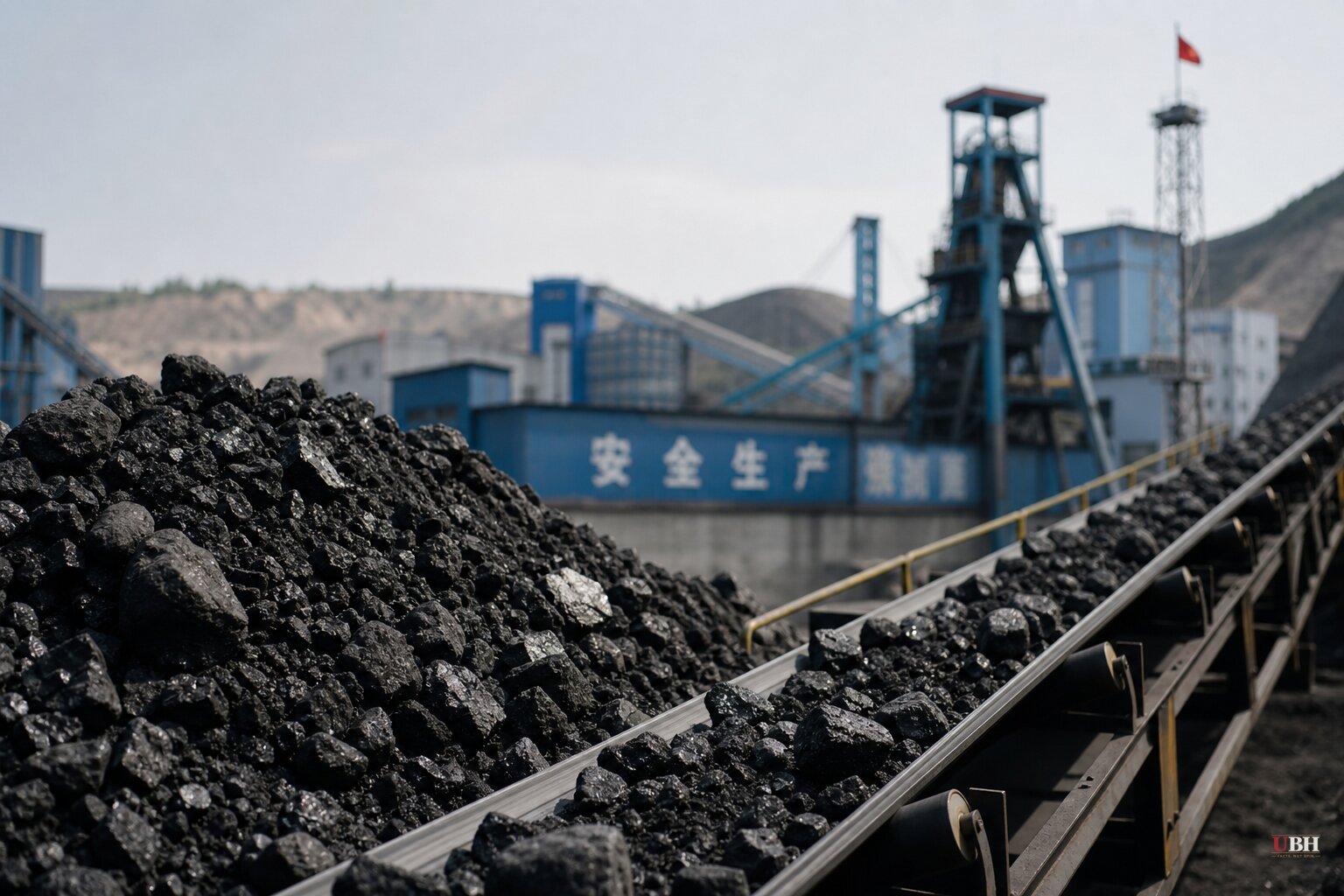
A Record Nobody Wanted
Chinese coking coal futures on the Dalian Commodity Exchange climbed 46% in August, according to Bloomberg. That's the biggest monthly gain since the contract launched in March 2013, breaking the previous record of roughly 38% set in July 2025.
Bloomberg's Katharine Gemmell reports the surge stems from output disruptions and tougher safety checks following China's worst coal mining disaster since 2009, which hit the northern province of Shanxi roughly three months ago.
Shanxi produces about half of China's coal. After the accident, Beijing ordered nationwide safety inspections. Bloomberg Intelligence found more than 130 million tons of annual capacity got suspended in late May. By mid-August, 50 to 60 million tons of that was still offline, according to CRU Group analyst Banmeet Khurmi.
"This has intensified concerns that China's acute shortage, currently 10% of domestic supply, will persist to the end of the year," Khurmi told Bloomberg.
The Numbers Behind the Squeeze
Dalian futures hit as much as 1,583.50 yuan ($235) a ton in the week ending August 19, up 15% in that stretch alone and the highest level since October 2024, Bloomberg reported. Total coal output of all types fell 10% in July to near a five-year low of 343 million tons, a bad time for that to happen given summer power demand.
Another accident struck a thermal coal mine in Hunan province in mid-August, according to Bloomberg. Morgan Stanley analysts, including Amy Gower, said in an August note that regulatory scrutiny is likely to stay tight as a result.
Sxcoal, an industry data outlet tracking the Chinese market, reported that met coke prices kept climbing into late August too, driven by scarce spot cargoes, strong online auction results, and steel mills restocking even under margin pressure. That confirms the shortage isn't confined to raw coking coal. It's rippling through the whole steel supply chain.
Why This Matters Beyond China
China's coal reserves are mostly thermal coal for power plants, not the metallurgical grade steel mills need. That structural gap means Beijing's steel industry leans hard on imports from Mongolia, Russia and Australia. Coking coal imports in June were already up 34% year-on-year, according to Morgan Stanley.
Morgan Stanley expects strong import arrivals to continue despite a seasonal drop in steel output. Higher domestic prices are pulling in more foreign coal and squeezing margins at Chinese steel mills already struggling with a long demand slump.
There's a fair case for Beijing's crackdown. After a mining disaster killed workers and marked the country's deadliest coal accident in 17 years, halting unsafe operations and running inspections is the responsible move, not reckless overreach. Nobody credible argues China should have ignored a deadly accident to keep coal flowing.
But the crackdown shows what happens when a state-directed supply chain gets rattled by its own regulators. A government that controls half its coking coal supply through one province, then shuts down over a third of that capacity overnight for safety reasons, creates a shock the market has to absorb regardless of intent. Steel buyers worldwide now have to price in this kind of regulatory risk.
What's Still Unresolved
CRU's Khurmi flagged an open question: whether the shortage, currently pegged at 10% of domestic supply, drags on through the end of 2026. That depends entirely on how fast Beijing lets the remaining 50 to 60 million tons of suspended Shanxi capacity come back online, and whether more accidents, like the one in Hunan, trigger fresh shutdowns elsewhere.
Meanwhile China is separately mobilizing a $1.6 trillion pool of funds aimed at housing-related consumption, its first major policy response to an economic slowdown that deepened in July, according to Bloomberg. Whether that stimulus effort collides with or offsets a squeezed steel sector remains unclear.
Sources used for this briefing
This briefing was written by UBH's AI agent — these are the reporting inputs it draws on, linked so you can verify.


