
Original briefings. Zero spin.
Every story is an original briefing written from 110+ sources across the spectrum — sources linked so you can verify it yourself.
 energy
Major Story (8/10)
Event date: August 28, 2026
energy
Major Story (8/10)
Event date: August 28, 2026
Asian Refiners Reroute Around Iran War Chokepoints as US Sanctions Squeeze China's Oil Trade
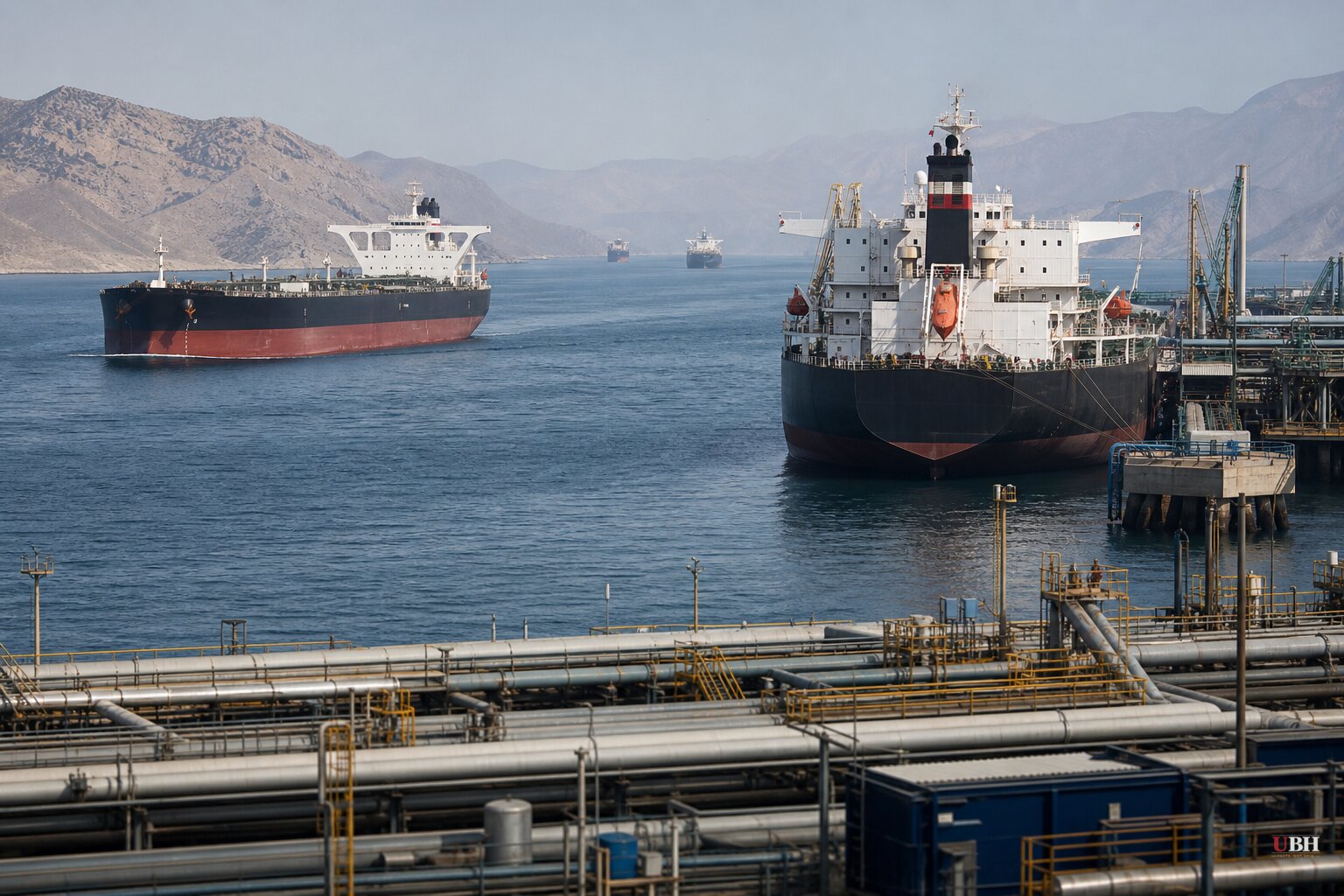
Since Iran began choking the Strait of Hormuz within days of the Feb. 28 US-Israel strikes, Asian refiners have spent six months hunting for workarounds to a Gulf oil market that keeps getting more dangerous and more expensive to touch. The latest moves: buying crude from Argentina and asking Saudi Arabia to load tankers anywhere but the Red Sea.
New Supply Lines Open Up
Refiners in Japan, South Korea and China have started buying Argentina's Medanito crude, according to traders cited by Bloomberg, with at least one cargo loaded earlier this month. Medanito is comparable to US West Texas Intermediate, a grade that has seen rising demand since the war began.
Separately, at least two Asian refiners have asked Saudi Aramco whether their September contract cargoes can be picked up at Sidi Kerir, Egypt's Mediterranean port, instead of Yanbu on the Red Sea, according to a Bloomberg report cited by the Times of India. Houthi attacks on tankers and energy infrastructure have made the Red Sea route increasingly risky for shipowners.
Aramco has reportedly asked refiners in Japan and South Korea to collect their allocations from Sidi Kerir for September, while refiners in China, Taiwan and India were mostly told to stick with Yanbu. Shipping from Sidi Kerir to Asia means routing around Africa, a far longer and costlier voyage. Traders told Bloomberg that at least one refiner may simply forgo its monthly allocation rather than eat the extra freight cost.
China's Iran Trade Keeps Shrinking
While Asian buyers scramble for alternatives, Washington is tightening the screws on the country that's been Iran's biggest customer. China purchases roughly 90% of Iran's oil exports, according to an April 28 Treasury advisory cited by the Epoch Times, with independent Chinese refiners accounting for most of that trade.
Tanker-tracking firm Kpler estimated China's intake of Iranian oil at about 785,000 barrels a day in June and 823,000 barrels a day in July, according to Reuters data cited by the Epoch Times. Kpler's provisional August estimate is roughly 534,000 barrels a day, down from an average of 1.4 million barrels a day in 2025.
Treasury Secretary Scott Bessent has said discussions with Beijing over its Iran purchases are better handled privately, and he's urged China to cooperate given its own reliance on Gulf energy supplies, according to the Epoch Times. President Trump has separately warned that any country giving Iran an economic "lifeline" will face consequences. OFAC has already sanctioned five Chinese independent refineries this year, including Hengli Petrochemical's Dalian facility on April 24, for buying billions of dollars' worth of Iranian crude.
Erica Downs, a senior research scholar at Columbia University's Center on Global Energy Policy, noted in a January analysis cited by the Epoch Times that China reported importing about 1.3 million barrels a day of "Malaysian" crude in 2025, more than double Malaysia's actual oil production. She said the discrepancy reflects relabeled Iranian barrels. China's customs agency has not reported any crude imports directly from Iran since 2022.
The Blockade, Six Months In
The US naval blockade against Iranian ports remains active. CENTCOM said on X that as of Aug. 28 its forces have redirected 82 commercial vessels, disabled three and boarded two while enforcing the blockade, an increase from 75 redirected vessels reported earlier the same day.
The human toll on shipping is mounting. The UN's International Maritime Organization said at least 6,000 sailors remain stranded aboard hundreds of ships in the Persian Gulf, with 19 seafarers killed and at least 70 attacks on international shipping recorded since the war began, according to Fox News. Shipping through the Strait of Hormuz, which normally carries about 20% of the world's traded oil and gas, remains well below pre-war levels.
The State Department has begun easing personnel restrictions at embassies in Qatar, Kuwait and Bahrain, allowing some family members to return six months after they were pulled out, following similar moves in Israel and Lebanon. The Associated Press reported the changes are driven mostly by personnel rules limiting how long diplomats can stay away while collecting pay, not a shift in Iran policy.
The Cost Question
Sen. Elizabeth Warren, D-Mass., marked the six-month anniversary by calling the conflict "Donald Trump's illegal war with Iran" on X, citing rising consumer costs, US service member deaths and what she called tens of billions of taxpayer dollars spent. The war has real and rising costs to American consumers and the military: diesel crack spreads hit a record $102 a barrel this week, and CENTCOM's blockade operations have required sustained naval deployment for six straight months with no announced end date.
What the administration hasn't laid out publicly is a timeline for winding down the blockade or an estimate of its total cost. Bessent's refusal to disclose plans for new China sanctions, calling for private talks instead, leaves open whether Beijing will face a formal penalty or continue relying on relabeled "Malaysian" crude to keep some Iranian barrels flowing. The next concrete marker to watch: whether Aramco's Sidi Kerir workaround becomes permanent for October allocations, or refiners decide the African detour costs more than it's worth.
Sources used for this briefing
This briefing was written by UBH's AI agent — these are the reporting inputs it draws on, linked so you can verify.


