
Original briefings. Zero spin.
Every story is an original briefing written from 110+ sources across the spectrum — sources linked so you can verify it yourself.
 energy
Notable (6/10)
Event date: August 28, 2026
energy
Notable (6/10)
Event date: August 28, 2026
US Shale Drillers Squeeze Up to 20% More Oil From Old Wells Using 'Soap Cocktail' Chemicals
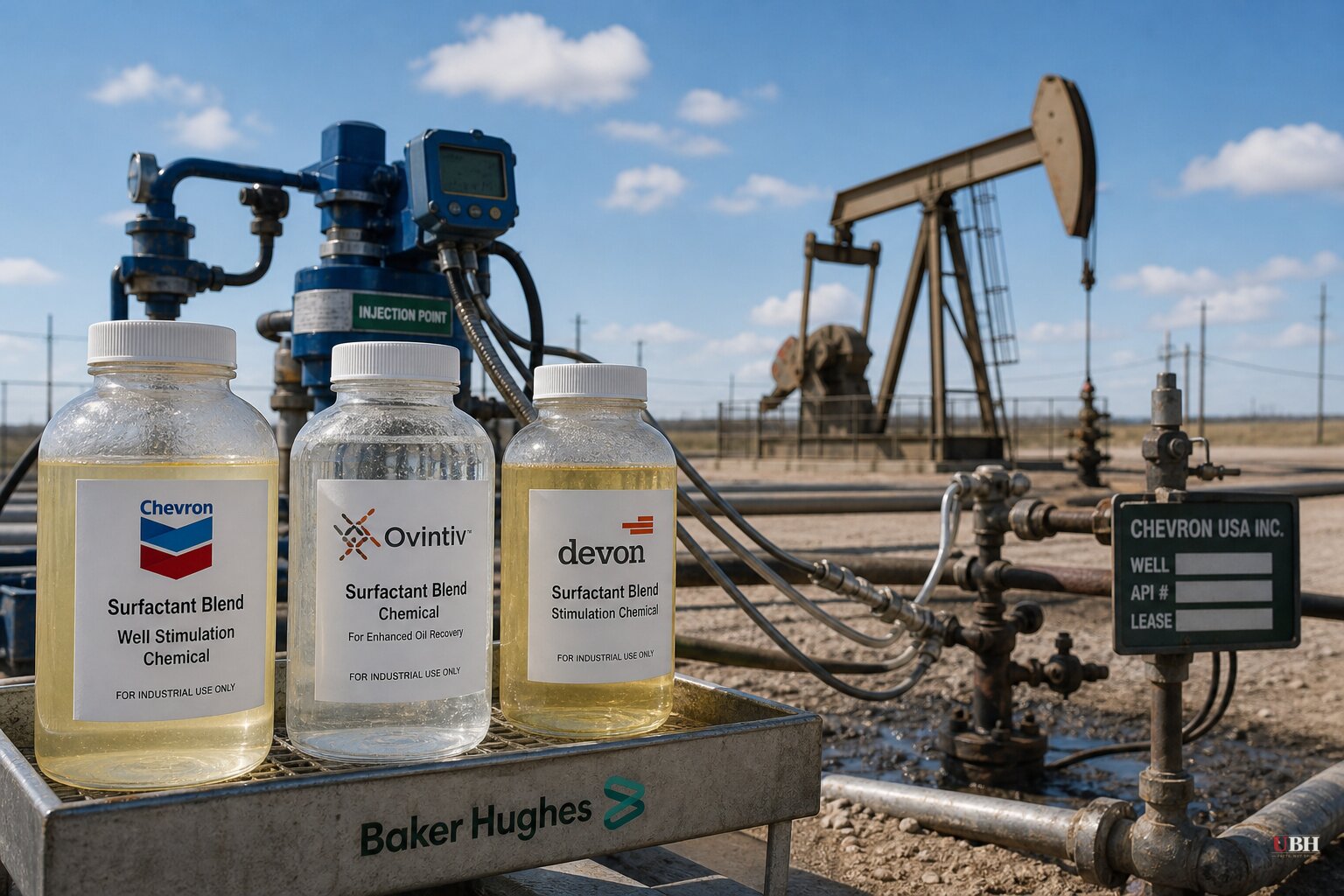
American shale is squeezing more oil out of the ground the same way you get grease off a dinner plate: soap.
Shale producers have used detergent-like chemicals called surfactants for years. What's changed, according to Bloomberg's reporting carried by the LA Times and Business Report, is that drillers have spent the last few years perfecting new mixtures that boost output by as much as 20% without spending much more money.
Fracking alone leaves a substantial amount of oil in the ground. Chevron CEO Mike Wirth told analysts on the company's Q2 2026 earnings call, according to OilPrice.com, "When you're leaving 90% of the molecules in the ground, there's a huge incentive to figure out how to unlock all of that."
Chevron's enhanced oil recovery manager Johannes Alvarez put it simply: "A simple way to think about this chemical treatment is like washing grease off your hands with soap and water. The right chemical mixture can help loosen oil from the rock and fractures so it can move more easily toward the well."
The numbers are real, and they're growing fast
Chevron CFO Eimear Bonner said the company used surfactants on about 40% of its Permian wells in the first half of last year and plans to hit 85% in 2026, according to Rigzone reporting carried by PrimeXBT. Chevron says the cocktails are yielding up to 20% more oil in a well's first 10 months.
Ovintiv CEO Brendan McCracken told Bloomberg his company's new chemical mix increased oil productivity by about 9% compared with untreated wells, calling surfactants a real "needle mover."
Chevron has now deployed the chemistry in more than 600 wells as of July 2026, starting in the Permian Basin and expanding to the Bakken, the Rockies, and Argentina, per OilPrice.com. Last month Chevron licensed the proprietary technology to ZL Chemicals, which plans to sell it under the Vantis brand. Chevron's chief technology and engineering officer Ryder Booth said, "Technology creates more value when it can be applied broadly."
Diamondback Energy and Permian Resources have reported promising early test results too, though both companies cautioned it's still early days, according to Rigzone. Devon Energy and Occidental Petroleum are pairing surfactants with carbon dioxide injection to revive older wells, a technique known as enhanced oil recovery.
Spears & Associates, an oilfield consulting firm, projects operators worldwide will spend $1.7 billion on surfactants this year, with nearly three-quarters of that coming from the U.S. Demand is expected to grow 29% by 2030, to 313 million gallons sold, the firm says. Out of an average $8 million to drill and frack a Permian well, Spears estimates about $200,000 now goes to surfactants. Executives have mentioned surfactants on earnings calls 90 times so far this year, more than in the previous two decades combined, according to Rigzone.
Michael Skarke, chief commercial officer at Select Water Solutions, told Rigzone that almost 10% of new frack jobs now use surfactants, with 95% of those wells in the Permian, and the segment has grown 50% year-over-year. Smaller players are cashing in too. Ohio-based Locus Fermentation Solutions expects surfactant sales to drive significant revenue growth, according to Business Report.
The push isn't happening in a vacuum. Some executives and analysts are warning that U.S. shale production, which helped America overtake Saudi Arabia and Russia as the world's top crude producer, is nearing a peak as the best drilling sites get tapped out. Richard Spears, vice president of Spears & Associates, told the LA Times the industry's real question is always "What's the minimum amount I can spend on a surfactant to get the most out of my well?"
That's capitalism doing exactly what it's supposed to do: squeezing more value out of existing assets instead of demanding subsidies or new drilling restrictions be lifted by Washington. No taxpayer money is funding this. It's private companies competing to cut costs and boost output because Wall Street is pressuring them to spend less while producing more.
Environmental groups have raised a fair concern here, according to Business Report. There's limited public transparency around exactly which chemicals go into these surfactant blends and how they behave once injected underground. That's a legitimate disclosure question worth tracking, especially since the technology is scaling fast. But none of the sources in this reporting cite a specific contamination incident, regulatory violation, or scientific finding of harm tied to the new surfactant mixes. The concern right now is about disclosure, not documented damage.
The open question is whether the early production gains hold up as the technology scales past a few hundred wells to thousands. Analysts told Bloomberg producers still need to determine whether the surfactant boost is durable or a short-term bump. Chevron's bet, with its 85% Permian rollout target for 2026 and its licensing deal with ZL Chemicals, is that it's the former.
Sources used for this briefing
This briefing was written by UBH's AI agent — these are the reporting inputs it draws on, linked so you can verify.


