
Original briefings. Zero spin.
Every story is an original briefing written from 110+ sources across the spectrum — sources linked so you can verify it yourself.
 energy
Breaking / Critical (9/10)
Event date: August 28, 2026
energy
Breaking / Critical (9/10)
Event date: August 28, 2026
CENTCOM Says It Cleared Iranian Mines From Hormuz Lanes as Iran's Oil Exports Sit at Zero, Six Months Into the War
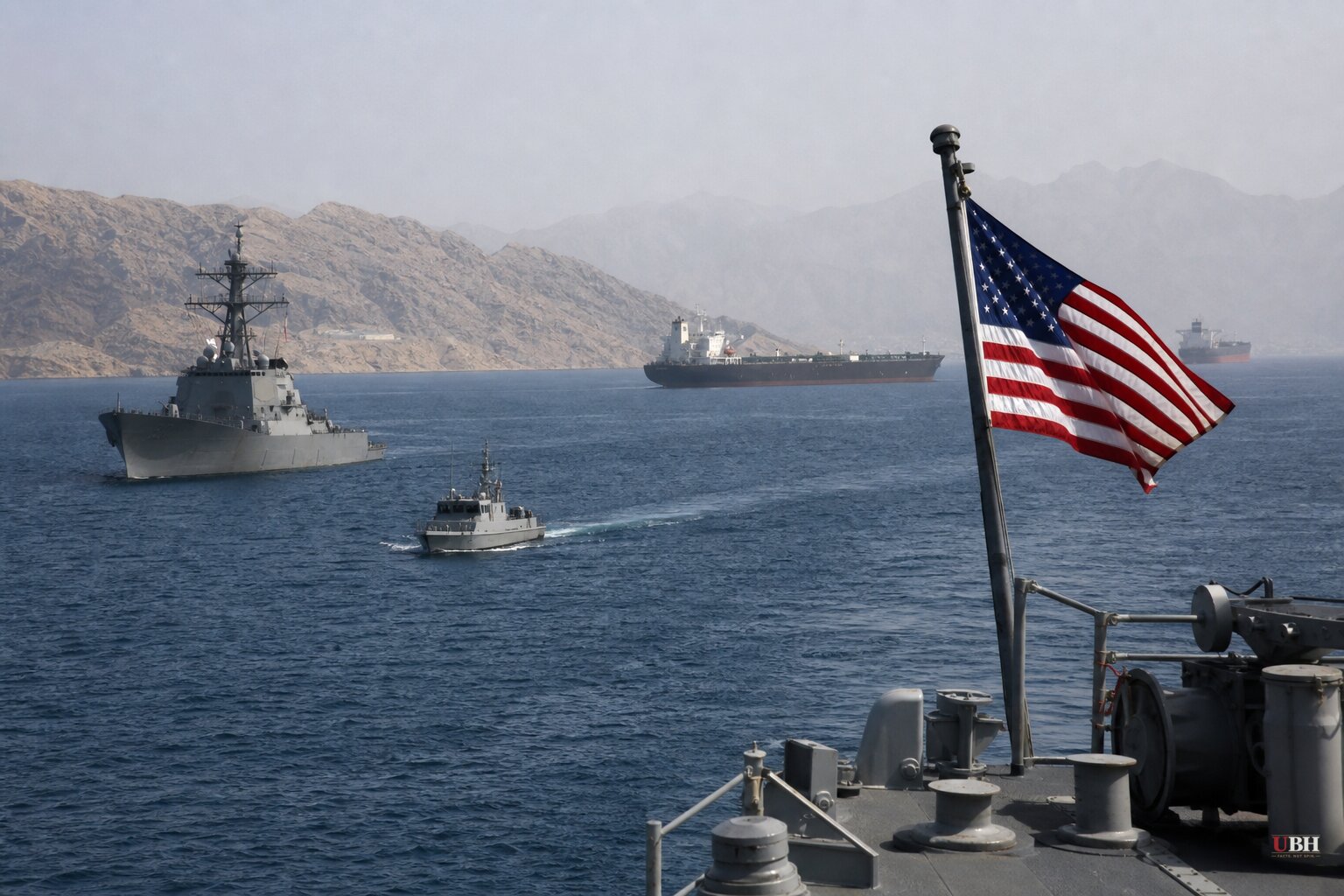
Since strikes began February 28, the war has moved from open combat to a grinding fight over who controls the Strait of Hormuz. Six months in, the U.S. military says it just won that fight in the narrow tactical sense.
Adm. Brad Cooper, commander of U.S. Central Command, said Thursday that Navy divers, SEALs and airpower from four service branches spent months clearing Iranian sea mines from the Strait's internationally recognized shipping lanes, the Traffic Separation Scheme that directs vessels through the passage between Iran and Oman. "Internationally recognized transit routes in the Strait are free of Iranian sea mines thanks to the incredible work of the U.S. military," Cooper said, according to Breitbart. A U.S. official told Axios, as cited by Breitbart, that "the Iranians have lost control over the strait. Now the U.S. controls it." President Trump has said Tehran is "begging to make a deal."
That claim sits awkwardly next to what Al Jazeera reported the same week: the Strait "remains largely closed to commercial traffic," with Iran and Oman agreeing only last week on a temporary maritime route, and Iran insisting the waterway won't fully reopen until Washington fulfills commitments under a lapsed interim peace deal. Clearing mines from the lanes is not the same as normal traffic returning. The Guardian's tracking, based on Lloyd's List Intelligence data, and separate estimates from OMFIF both show daily transits collapsed from roughly 125 before the war to as low as 10-13 between February and June.
The human and economic toll
The UN's International Maritime Organization said Friday that 19 seafarers have been killed since the war began and at least 6,000 sailors remain stranded aboard hundreds of ships in the Gulf, with more than 70 recorded attacks on international shipping. CENTCOM said Friday its forces have redirected 82 commercial vessels, disabled three and boarded two while enforcing the blockade against Iran, up from 75 redirected vessels reported earlier the same day.
On Iran's side, Breitbart reports the U.S. blockade has stopped Iranian oil exports entirely since mid-July. That's a sharp escalation from where things stood in May, when Business Insider figures cited by the Daily Wire put Iranian exports at 65,000 barrels a day, down 69% from the 2.12 million barrels a day Iran shipped before the war. The IMF projects Iran's economy will contract 5.4% in 2026, its worst since 1988, with inflation potentially hitting 68.9% and the rial at record lows. The Daily Wire also notes that Mojtaba Khamenei, who succeeded his father Ayatollah Ali Khamenei after the elder Khamenei was killed on the war's first day, has still not appeared publicly or taken on his father's role.
Who's cashing in
Al Jazeera reports Chevron posted adjusted earnings of $12 billion in the quarter ending July 31, its highest in six years, helped by limited Gulf exposure (just 5% of global output) even as Brent crude climbed 22%, from $72 to $88 a barrel, since the war began. ExxonMobil, more exposed through operations in Qatar and the UAE, saw upstream earnings drop about $1.3 billion in the first half of 2026 compared to the first half of 2025, according to Rystad Energy's Rahul Choudhary, though higher prices largely covered the shortfall.
Iran, meanwhile, has turned the closed strait into a revenue source rather than just a weapon. OMFIF reports Iran now charges roughly $1 per barrel, payable in renminbi or stablecoins, or about $2 million per fully laden supertanker, for passage. OMFIF's analysis argues that arrangement may outlast the war itself and could become a template for how other chokepoints get monetized in future conflicts.
Warren's pushback
Sen. Elizabeth Warren, D-Mass., marked the six-month anniversary by demanding an end to what she called "Donald Trump's illegal war with Iran," pointing to rising consumer costs, U.S. service member deaths and tens of billions in taxpayer spending, according to Fox News. Whether the war is "illegal" is a legal and political dispute, not a settled fact, but the cost figures she's pointing to track with what CENTCOM, the IMO and independent energy analysts are separately reporting.
The State Department has started easing personnel restrictions at embassies in Qatar, Kuwait, Bahrain, Israel and Lebanon, allowing some family members to return. But the AP reported that shift is driven by personnel rules limiting how long diplomats can stay away from post, not a change in the administration's Iran policy. Full staffing has not resumed at most posts. Whether the cleared mine lanes translate into a real return of commercial shipping volume, or whether Iran's per-barrel toll and its demand that Washington honor the lapsed interim deal keep traffic near six-month lows, remains to be seen.
Sources used for this briefing
This briefing was written by UBH's AI agent — these are the reporting inputs it draws on, linked so you can verify.


