
Original briefings. Zero spin.
Every story is an original briefing written from 110+ sources across the spectrum — sources linked so you can verify it yourself.
 energy
Major Story (7/10)
Event date: August 23, 2026
energy
Major Story (7/10)
Event date: August 23, 2026
Nepal May Import Power From India as Flood-Damaged Hydro Plants Knock Out 8% of Grid, Indian Specialists Join Tunnel Rescues
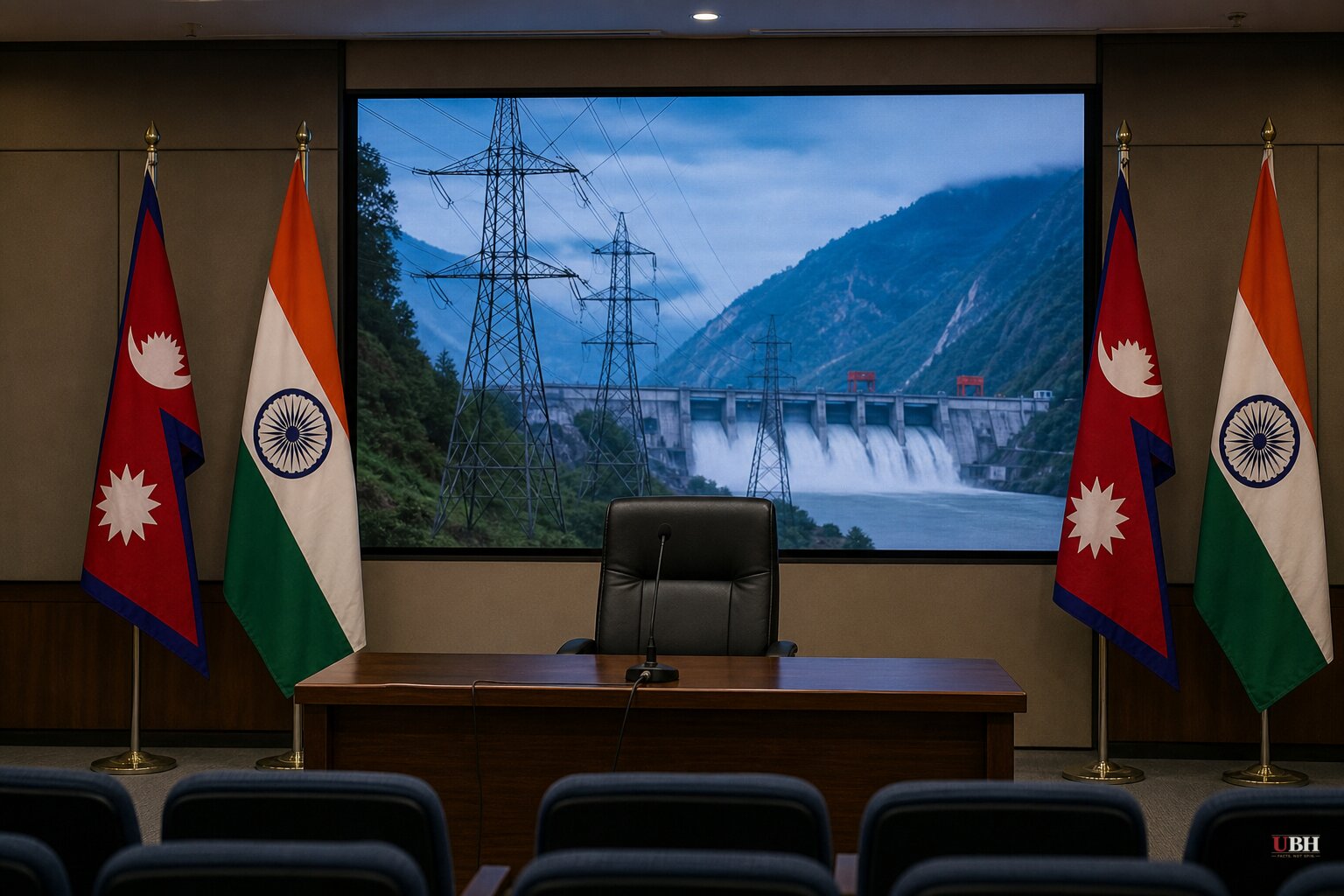
Nepal's flood disaster is now a power crisis as much as a rescue operation. With the confirmed death toll climbing toward 670 in prior reporting and more than 1,300 people still listed as missing across Nepal and Tibet, attention has shifted to two fronts that had gotten less notice until this week: the country's crippled electricity grid and the workers still trapped inside flooded hydropower tunnels.
According to a Bloomberg report cited by Business Today, the flash floods knocked out roughly 360 megawatts of generation capacity, about 8% of Nepal's total grid. Nine operational hydroelectric facilities across two districts took the brunt of the damage, according to Shaligram Bhandari, a spokesman for Nepal's energy ministry. A 25-megawatt solar plant and five under-construction hydro projects with a combined 390 megawatts were also hit.
Hydropower makes up more than 90% of Nepal's roughly 4,300-megawatt grid, according to both Business Today and the Times of India. The Times of India reported the damage affected 13 hydroelectric plants and a solar facility, including the 14-megawatt Devighat plant that normally supplies electricity to India.
Nepal typically exports surplus hydropower to India during the wet summer months and imports from India in the dry winter, when its rivers freeze and generation drops. Over the six months through November 2025, Nepal sent India 600 megawatts of round-the-clock power, with plans to export another 500 megawatts this year, the Times of India reported. Bhandari told Bloomberg that Nepal may now need to reverse that flow and pull power from India to bridge the gap while repair crews work on damaged plants.
A senior Indian power ministry official told the Times of India that India could accommodate a Nepali request, since domestic demand currently runs between 245 and 250 gigawatts, well below India's peak capacity of 280 gigawatts. The two countries already share a 1,000-megawatt cross-border transmission line between Dhalkebar and Muzaffarpur, with an agreement in place to expand combined capacity past 1,400 megawatts, according to the report. No formal Nepali request had been confirmed by India's power ministry as of the report.
Trapped Workers, Targeted Foreign Help
Nepali forces are still digging out workers trapped inside hydropower construction tunnels in Rasuwa district, near the Tibet border. An 82-member joint team from the Nepal Army, Armed Police Force, and Nepal Police has worked since Friday night clearing mud and debris to reach people believed trapped inside a tunnel at the Trishuli-3A Hydropower Project, according to Rediff. More than 100 people are believed trapped at the nearby Upper Trishuli-1 project. Nepali forces have rescued 191 workers from various hydropower tunnels so far, per the Nepal Army.
An 11-member Indian team of medical personnel and tunnel-rescue specialists arrived Saturday at Nepal's request, conducting aerial reconnaissance over the Chilime and Langtang areas before moving into the Trishuli region, Rediff reported. Kathmandu has also asked India and China to help build 42 portable Bailey bridges to restore transport in flood-hit areas, and has sought outside help with DNA testing and forensic identification of recovered remains.
Nepal's Foreign Ministry reported, according to Breitbart, that the country would turn down general international search-and-rescue teams and instead ask donor countries to route cash through a single government mechanism. Foreign Ministry spokesperson Lok Bahadur Chhetri told reporters Nepal's own security agencies were handling search and rescue and didn't currently need outside personnel for that work.
Nepali officials position their policy as drawing a line between general rescue teams, which they've declined, and narrow, requested technical help like tunnel specialists, DNA experts, and bridge engineers, which they've accepted. Whether that distinction is holding up on the ground, particularly at Upper Trishuli-1 where more than 100 workers remain unaccounted for, remains unclear.
The Chinese Communist Party's Tibet-side casualty figures, reported separately at three dead and 265 missing in Gyirong by the Epoch Times, have not been meaningfully updated since. Whether Beijing releases a fuller accounting, and whether Nepal's power-import talks with India produce a formal agreement, remain open questions heading into next week.
Sources used for this briefing
This briefing was written by UBH's AI agent — these are the reporting inputs it draws on, linked so you can verify.


