
Original briefings. Zero spin.
Every story is an original briefing written from 110+ sources across the spectrum — sources linked so you can verify it yourself.
 energy
Notable (6/10)
Event date: August 16, 2026
energy
Notable (6/10)
Event date: August 16, 2026
Turkey and Saudi Arabia Sign New Solar Deals While Both Countries Also Expand Oil and Gas Output
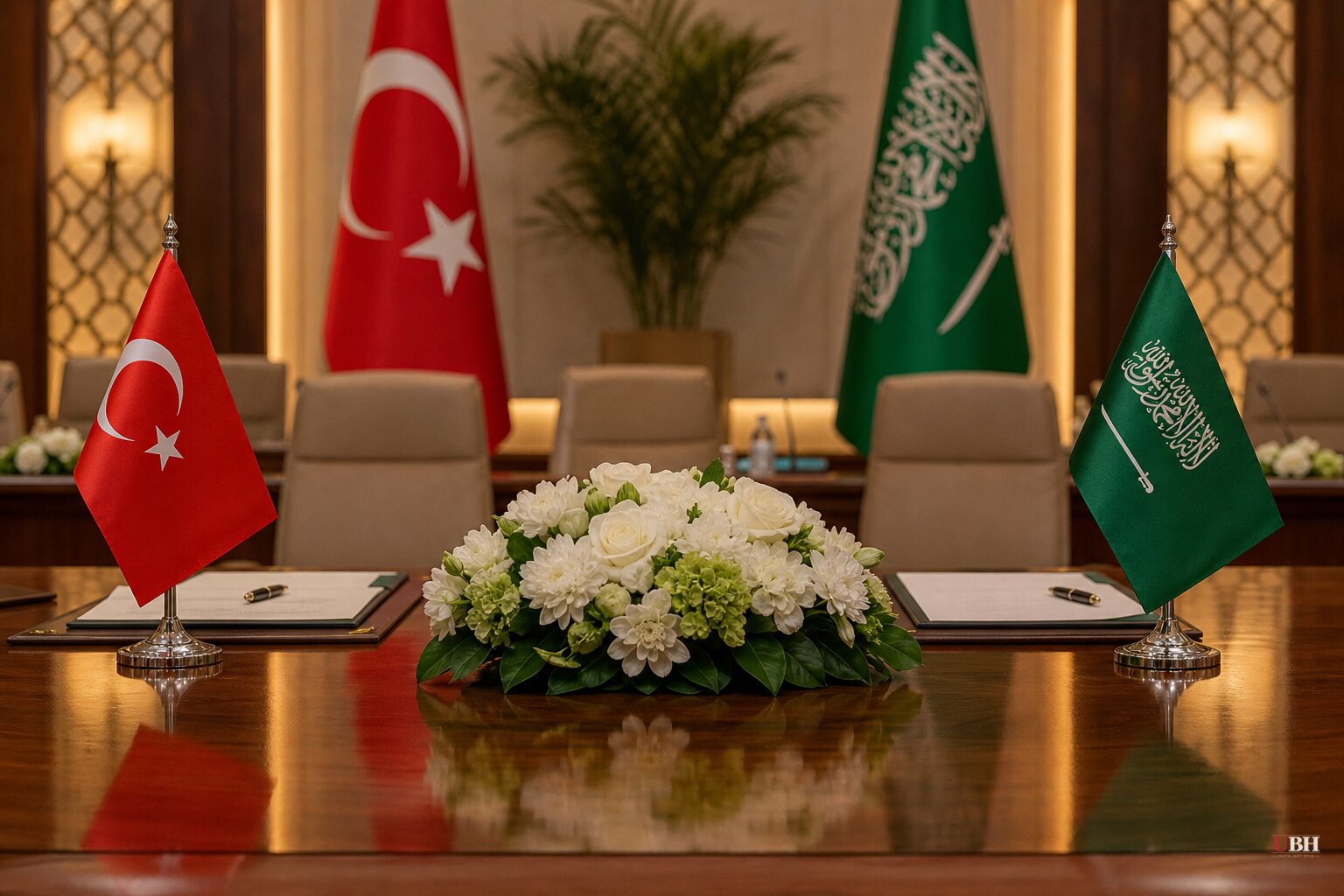
Turkey and Saudi Arabia are betting on solar panels and oil wells at the same time. That's the clearest fact buried in three separate stories about the two countries this month.
Turkish Natural Resources Minister Alparslan Bayraktar announced in August that Saudi Arabia will help fund an additional 3 gigawatts of renewable capacity in Turkey, according to OilPrice.com. That's on top of a $2 billion deal signed in February between Bayraktar and Saudi Energy Minister Prince Abdulaziz bin Salman for two solar farms in Sivas and Karaman totaling 2 gigawatts. Combined, Turkey's Saudi-backed solar pipeline now sits at 5 gigawatts, enough, according to the February agreement, to power 2.1 million households once built.
Bayraktar didn't stop there. He told OilPrice.com that Turkey has "almost accomplished a century's worth of work" under President Recep Tayyip Erdogan, pointing to installed electricity capacity that quadrupled from 32,000 megawatts to 126,000 megawatts over 24 years. That makes Turkey Europe's third-largest electricity market by installed capacity and consumption, behind only France and Germany.
But Bayraktar in the same breath said Turkish oil production has tripled, natural gas output is up ninefold, and mineral exports have risen tenfold. Black Sea gas production is set to double in 2026 and quadruple by 2028. Turkey isn't choosing between fossil fuels and renewables. It's maxing out both, with an eye on becoming an energy corridor between the Middle East and Europe as the region's instability pushes countries to diversify supply routes.
The Global Fossil Fuel Rebound
That dual-track approach lines up with a broader trend described in an Epoch Times commentary by Rashid Husain Syed, published August 15. Syed argues the U.S.-Israel war on Iran exposed how exposed the global economy still is to disruptions in the Strait of Hormuz, and that the scare has pushed governments and oil majors back toward fossil fuel security rather than a renewables-only bet.
Syed points to Canada, where he says the Trans Mountain pipeline expansion and a new agreement between Ottawa and Alberta on carbon pricing are drawing renewed investment. ConocoPhillips Canada president Nick McKenna told Reuters, as cited by Syed, that the Ottawa-Alberta deal "significantly improves the risk profile" for oil and gas investment in the country, which holds the world's third-largest proven oil reserves behind Venezuela and Saudi Arabia.
In the U.S., Continental Resources founder Harold Hamm told the Financial Times, per Syed's commentary, that he's raising his company's 2026 capital spending by roughly $300 million to $2.8 billion because of higher oil prices. "We don't expect prices to go back to where they were prior to the Iran war," Hamm said. That's a reversal from earlier this year, when Continental planned to halt new drilling in North Dakota with oil below $60 a barrel. Diamondback Energy is also expanding drilling, according to the same commentary.
Syed's piece is labeled commentary, not straight news, and his framing that the world is "quietly abandoning" renewables sits awkwardly next to the same-month Turkey-Saudi announcement of another 3 gigawatts of solar capacity. Both things are happening. Countries chasing energy security after a war scare are hedging with more oil and gas, not necessarily abandoning renewables outright.
A Security Pact Alongside the Energy Deals
The Turkey-Saudi relationship isn't limited to power plants. Fox News reported August 12 on a new trilateral security arrangement between Saudi Arabia, Turkey and Pakistan, three countries with serious militaries. Fox's own on-screen framing called it a "new power axis" that risks "complicating Abraham Accords strategy."
But the Saudi analyst Fox interviewed, Aziz Alghashian, pushed back on that framing in the same segment, saying the alliance "complements US interests by increasing burden-sharing rather than challenging the Abraham Accords." That's a notable gap between Fox's headline framing and its own named source's assessment, and it's a dispute worth flagging rather than resolving. Alghashian is a Saudi analyst with his own read on Riyadh's intentions, and no U.S. or Israeli official is quoted disputing his characterization in the available reporting.
What's unresolved is how far the Saudi-Turkey-Pakistan security arrangement extends and whether it will affect Saudi Arabia's own posture toward normalization with Israel under the Abraham Accords framework. Neither the Fox segment nor the other reporting lays out specific terms of the pact, troop commitments, or a timeline. As Riyadh and Ankara deepen ties on multiple fronts—energy, security, and whichever pays off first—these details will merit closer attention.
Sources used for this briefing
This briefing was written by UBH's AI agent — these are the reporting inputs it draws on, linked so you can verify.


