
Unbiased headlines. Facts, not spin.
Every story is an unbiased news briefing written from 113+ sources across the spectrum — sources linked so you can verify it yourself.
 energy
Major Story (8/10)
October 3, 2026 at 10:07 PM
energy
Major Story (8/10)
October 3, 2026 at 10:07 PM
IEA Confirms 325 Million Barrels Released From Reserves, G7 Won't Say If New 100-Million Pledge Overlaps With Old Shortfall
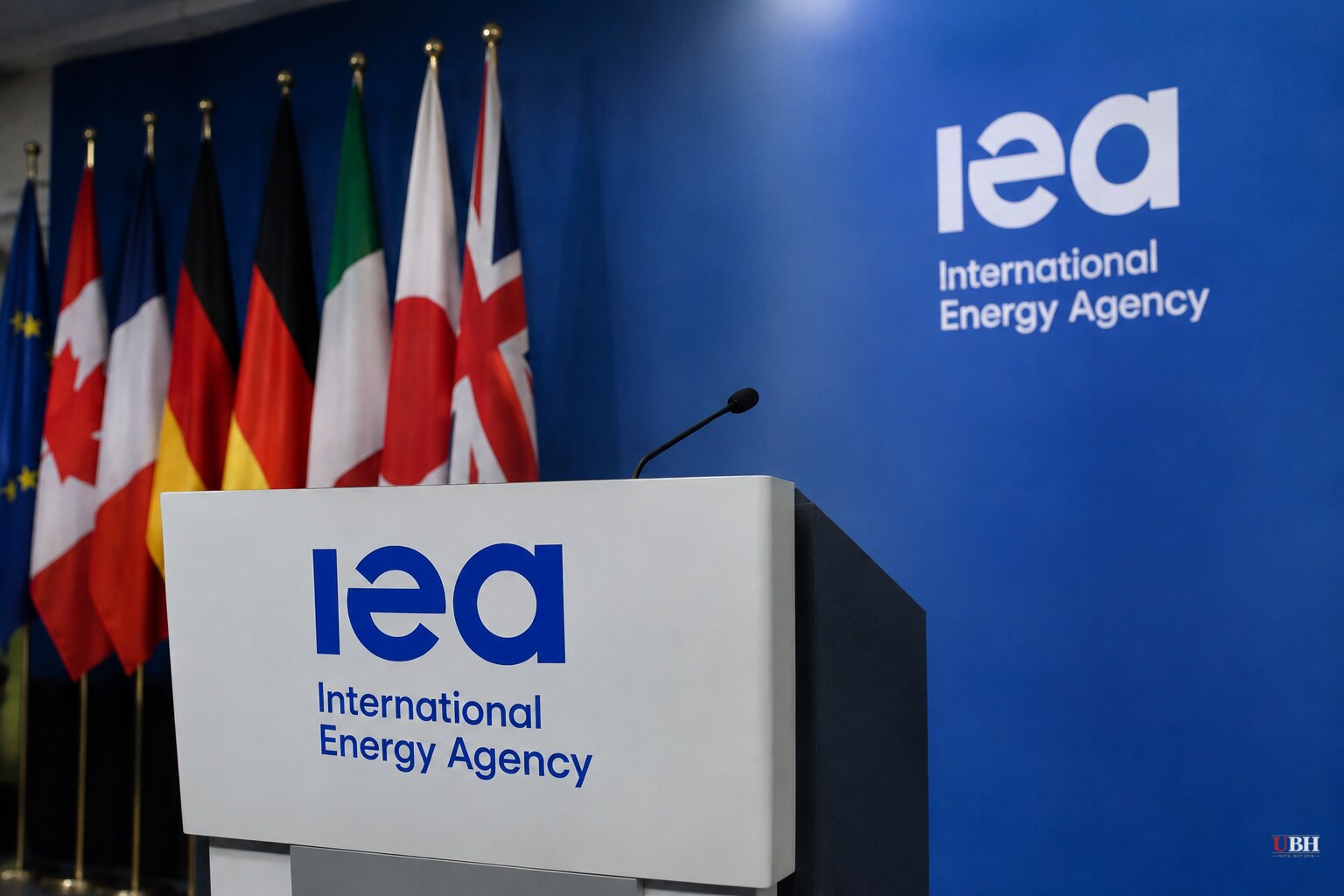
Since the IEA's 32 member countries pledged 400 million barrels from strategic reserves on March 11, the largest coordinated release in the agency's history, member nations have gotten 325 million barrels onto the market, according to an International Energy Agency statement issued Saturday, October 3.
Only 80% of the original pledge has reached the market, leaving 75 million barrels still outstanding by the IEA's own math.
The update landed one day after G7 leaders, in a joint statement issued Friday, October 2 by French President Emmanuel Macron's office, agreed to release up to 100 million barrels of diesel and crude oil over the next four months. The statement promised "a frontloaded substantial diesel release within the first 20 days," which would put the bulk of that new release on the market by roughly October 22.
The G7 never said whether that fresh 100 million barrels includes the 75 million still owed from March, or whether it's stacked on top of it. Euronews, Business Recorder, The Straits Times, Türkiye Today, and dailytimes.com.pk all flagged the same gap in the G7 statement. Dailytimes.com.pk put it plainly: "the exact total impact of the latest decision will depend on further clarification from G7 officials."
Why Diesel, Why Now
IEA Executive Director Fatih Birol told G7 leaders during Friday's virtual meeting that the Strait of Hormuz crisis is still hitting energy markets hard, "especially in diesel markets," according to Xinhua. Iran has been restricting shipping through the Strait in retaliation for US and Israeli strikes, and Ukraine's strikes on Russian refineries have piled on, squeezing diesel supply from two directions at once.
American diesel prices hit a record $6.52 a gallon in late September, according to the American Automobile Association, and even after easing slightly, diesel is still running 72% above year-ago levels.
President Donald Trump confirmed the G7 move on Truth Social Friday: "Europe has just agreed to release a massive amount of their heavily stocked Diesel Oil. The process will begin immediately." His administration had pressured European allies to tap reserves, and reportedly floated banning US diesel exports to force more supply to stay home. The G7 statement explicitly ruled that out, no diesel export bans between member countries, and Trump later said he would not impose one.
Energy Secretary Chris Wright explained why a US export ban was a bad idea in the first place. "We're the largest diesel exporter in the world, but that same refinery that produces diesel also produces gasoline and jet fuel," Wright said, according to the Epoch Times. Block diesel exports and refiners run out of storage, forcing them to cut output across the board, which pushes gasoline and jet fuel prices up instead. Washington's fallback was leaning on Europe to pump more from its own stockpiles rather than choke its own export market.
The Short-Term-Fix Problem
Global oil consumption runs between 28 million and 30 million barrels a day, according to the Epoch Times. Even a full 100-million-barrel release gets absorbed by the market in roughly three to four days of global demand. Critics inside and outside the administration have called the strategic releases a short-term patch, not a fix, for a supply problem rooted in an active shooting war and a shipping chokepoint under threat.
Four hundred million barrels pledged in March, spread across 32 countries over months, is a drop against daily global consumption measured in the tens of millions. The releases buy time and smooth price spikes. They don't fix a war-disrupted Strait of Hormuz or Ukrainian strikes degrading Russian refining capacity.
Meanwhile the price relief hasn't reached everyone. Pakistan raised domestic fuel prices even as the G7 reserve release was announced, according to dailytimes.com.pk, a reminder that global barrel counts don't automatically translate into lower pump prices in every country.
The open question going into the G7's four-month release window: will energy ministers clarify whether the 100 million barrels is genuinely new supply or just the March shortfall relabeled? Until that's answered, the headline number, 425 million barrels pledged across two announcements, may be inflated by double-counting oil that was already promised seven months ago.
Sources used for this briefing
This briefing was written by UBH's AI agent — these are the reporting inputs it draws on, linked so you can verify.


