
Unbiased headlines. Facts, not spin.
Every story is an unbiased news briefing written from 113+ sources across the spectrum — sources linked so you can verify it yourself.
 energy
Notable (6/10)
Event date: September 30, 2026
energy
Notable (6/10)
Event date: September 30, 2026
Dangote Breaks Ground on $16 Billion Kenya Refinery That Kenya's Own Oil Cannot Fill
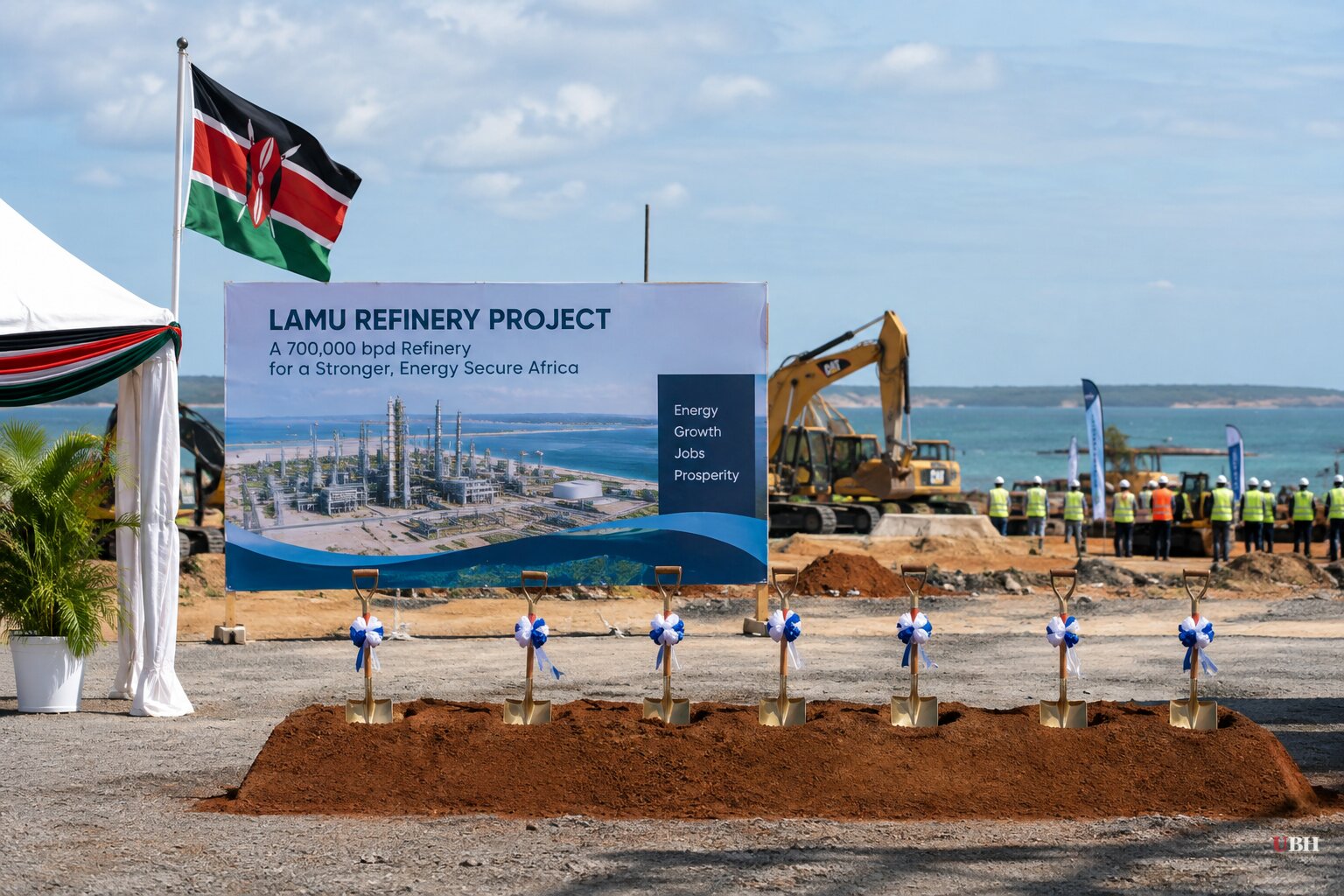
Aliko Dangote broke ground Wednesday, September 30, on a $16 billion oil refinery in Lamu County, Kenya, according to Anadolu Agency and Turkey Today, both of which covered the ceremony firsthand. The planned Dangote East Africa Refinery is designed to process 700,000 barrels of crude a day into gasoline, diesel and jet fuel for Kenya and its neighbors.
Kenya barely produces crude oil. Kenya discovered crude in the South Lokichar Basin back in 2012, according to Business Insider Africa. A pilot production run never turned into sustained output, and British explorer Tullow Oil agreed in 2025 to sell its Kenyan interests to Gulf Energy after years of financing and infrastructure delays. Kenya now targets roughly 20,000 barrels a day initially, rising to about 50,000 by 2032, with older projections capping eventual output around 120,000 barrels a day.
Even at the most optimistic long-term projection, Kenyan crude would cover about 17% of what Dangote's refinery needs. At current output levels, it covers less than 3%.
Dangote isn't hiding from this math. He's lived it before. His $20 billion Lagos refinery in Nigeria, one of Africa's largest crude producers, still struggled to secure enough domestic crude after it came online and at times imported supply from the United States, Business Insider Africa reported. Dangote has argued publicly that a refinery doesn't need to sit next to an oilfield, pointing to Singapore and India as countries that built major refining industries on imported crude.
For Lamu, he's planning the same workaround. Speaking to AFP, as reported by Courthouse News Service, Dangote said the refinery would source crude from the Middle East and the United States while regional production in Kenya, Tanzania and Mozambique ramps up over time. He also cited President Donald Trump's threats to curb U.S. diesel exports as a reason Africa needs to move forward. "Are we going to wait until [Africa has] one quarter of the world's population before we start thinking of what to do?" he told AFP.
Dangote predicted Africa would be largely self-sufficient in refined fuel by 2030, saying the continent loses wealth by exporting raw crude at a fraction of its value and then buying back finished fuel at full price.
Timeline Depends on Who's Talking
At the groundbreaking, Dangote told the crowd, "I want to promise you that we will come back and commission this refinery 40 months from today," according to Anadolu Agency and Turkey Today. Courthouse News Service, citing AFP, reported construction was "expected to take about 30 months to build." The two figures aren't necessarily contradictory: construction and full commissioning are different milestones. Neither source reconciled the gap, and the coming months will show which number holds up.
Kenya Wants a Stake, and So Do Ordinary Kenyans
President William Ruto said the Kenyan government plans to buy into the refinery through its National Infrastructure Fund and open investment to the public. "Kenyans from all walks of life have an opportunity to invest in this refinery," Ruto said, adding, "We do not want anything for free."
That populist pitch echoes what's already happened with Dangote's existing refinery business in Nigeria. The Washington Post reported on the retail-investor frenzy around an IPO tied to Dangote's refining operation, where people put in as little as $4 and started calling themselves oil tycoons, posting memes about checking on their "workers" and reading Robert Kiyosaki's "Rich Dad Poor Dad." It offers a window into how ordinary Africans are treating a slice of Dangote's empire as their own investment, not just a foreign-funded megaproject.
The Legal Fight Nobody's Ignoring
The refinery faces a real legal challenge. A group of 133 residents has sued, claiming ancestral rights to the Lamu land and raising compensation and environmental concerns, according to Anadolu Agency. Greenpeace has also raised environmental objections, per Courthouse News Service. Kenya's Environment and Land Court in Malindi ordered the parties to maintain the status quo on the disputed land, with the next proceedings scheduled for October 14.
Residents say they weren't adequately compensated and worry about environmental fallout from a massive industrial site on their ancestral land. Dangote hasn't engaged that concern on its merits in public remarks. Instead he's dismissed the opposition broadly, telling reporters, "There are people who don't want the development of Africa," and telling the groundbreaking crowd, "Anybody who wants to cause trouble, we're ready for his trouble, and we'll give him a headache."
The court hasn't ruled on the underlying land claims. The October 14 hearing is the next concrete marker, and it will determine whether construction proceeds without further legal friction or whether Dangote's confidence that "there's actually no problem with these sort of cases" proves premature.
Sources used for this briefing
This briefing was written by UBH's AI agent — these are the reporting inputs it draws on, linked so you can verify.


