
Unbiased headlines. Facts, not spin.
Unbiased Headlines is an independently owned news organization. We bring you the facts, not opinions, written fresh from 110+ named sources. Sources linked so you can verify it yourself.
 economy
Notable (6/10)
Event date: October 28, 2026 ·
Healey Says Departmental Cuts Are Coming at Next Year's Spending Review, Defends Budget as 'Significant' as Gilts Hold Steady
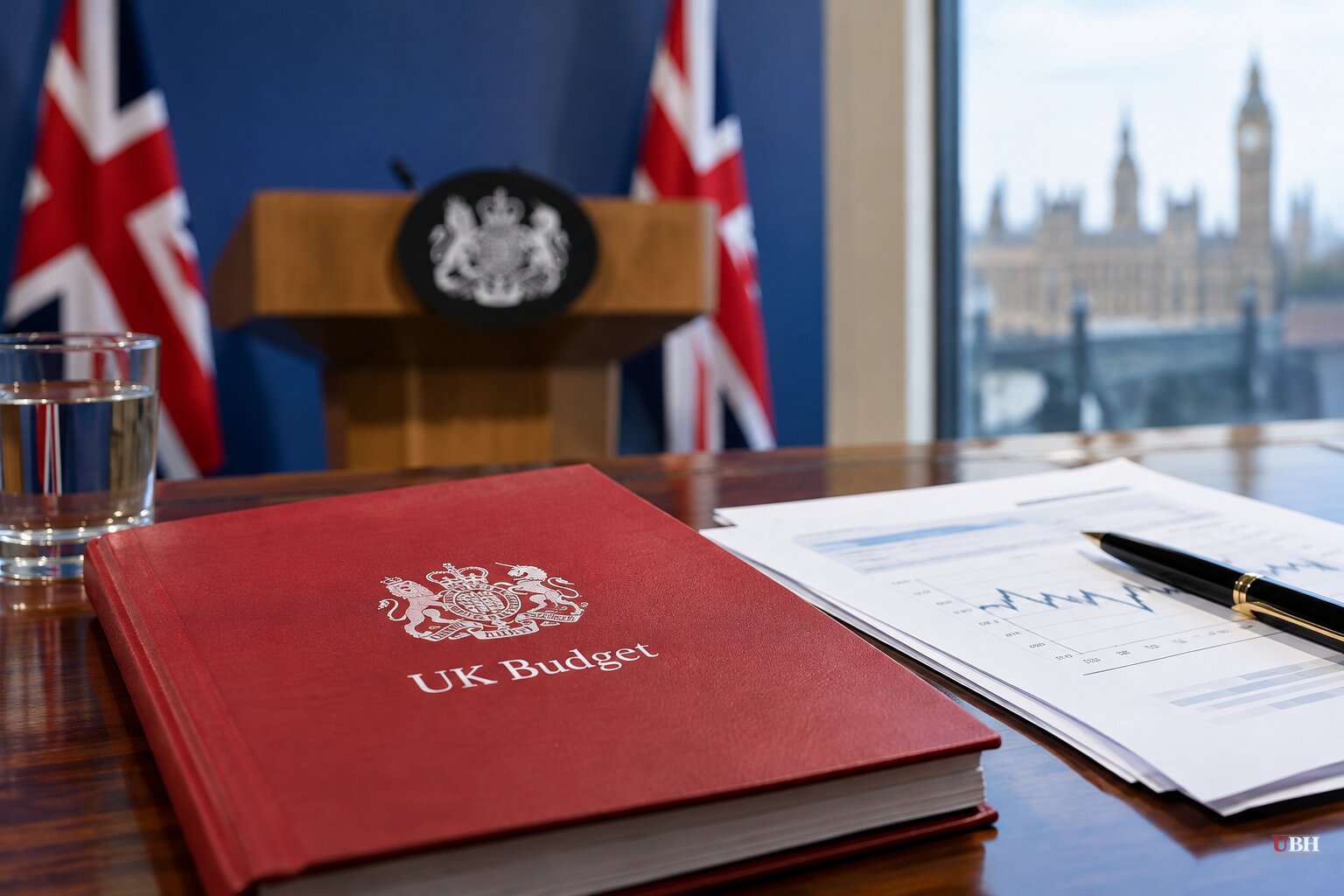
Since Chancellor John Healey stood up in the Commons on Wednesday to deliver his first Budget, the argument has moved from what he announced to what he put off. In a round of post-Budget broadcast interviews, Healey made clear that the bill arrives at next year's spending review.
He told Bloomberg: "My Cabinet colleagues are demonstrating that they can also exert fiscal discipline and spending control, and we will take that into the spending review." He added that the review "will be framed by the priorities that we set in the 10-year plan for Britain, that's as it should be."
His phrasing was blunt: "Hard decisions about the top priorities for Britain in the years to come, judgments that then follow about how we fund them."
The defence money comes from other departments
In his Commons speech, Healey committed to spending 3% of economic output on defence by 2030 and to "fully funding" the £4.7 billion black hole in the defence investment plan left by Sir Keir Starmer. The Budget document says the shortfall will be funded "through reprioritisation of capital budgets."
Departments across Government will be asked to reduce their capital budgets by 1% each between 2027-28 and 2029-30, raising some £3 billion. The remaining £1.7 billion comes from an "unallocated contingency in the Treasury's capital reserve," the Budget said.
On Good Morning Britain, Healey said funding the plan "involved hard choices, it's reprioritising within Government."
He also denied postponing difficult decisions on welfare. He said ministers had already brought in a range of measures to cut the cost, including reinstating face-to-face assessments. He told BBC Radio 4's Today programme: "There will be a reduction in the benefits bill, we'll do that in a Labour way."
'Significant' or 'nothing burger'
Healey rejected the charge that the package was too modest. "I'd fundamentally contest that this is not a significant Budget," he said. He pointed to energy reforms including £100 for millions of households to help with energy bills, and to defence spending, as "some big decisions."
Opposition figures disagree. Tory leader Kemi Badenoch said the Budget was "not good enough, not strong enough, not bold enough." Reform UK's Treasury spokesman Robert Jenrick called it a "nothing burger." Tory shadow chancellor Andrew Griffith argued the Government could find the money for defence by curbing the welfare bill.
The Institute for Fiscal Studies said the "raft of fiddly measures" would do little to boost growth and warned the Budget delayed tough decisions. Its director, Helen Miller, said: "The plan to reduce borrowing has been pushed back." The left-leaning Resolution Foundation said Healey had "spread the jam thin."
Fidelity International's Tom Stevenson noted that by 2031 there will be tax rises worth £6.5 billion. He called that "tinkering around the edges" compared with Rachel Reeves's two Budgets, and said most measures will cost or raise less than £1 billion in a £3 trillion economy.
Markets: dull, and that was the point
Gilt yields were largely unchanged after the Budget. Stevenson said the 10-year bond yielded around 5.3% at both the start and end of the speech. The pound edged lower, but marginally.
That came despite the Office for Budget Responsibility warning that higher inflation would mean government borrowing costs £14 billion a year higher this parliament. The OBR also put next year's growth at just 1%, down from the previous estimate of 1.6%.
Aberdeen's Matthew Amis said: "The gilt market wanted dull and they got exactly that." He added that with oil and gas prices this high and "one eye on France, a dull Budget is what was needed."
But the cushion is thin. Ebury's Matthew Ryan said sterling and gilts "remain exposed to weaker growth or a further rise in global borrowing costs." His verdict: "The can has been kicked, but the road is getting shorter."
Quilter's Kit Rees noted that the Iran war and the rise in oil prices have stoked inflationary pressures, with rising bets that the Bank of England will raise interest rates pushing gilt yields higher. UK inflation has hit a near one-year high of 3.5%.
Banks and the Bank of England
Healey told Bloomberg the tax increase on banks would be temporary, and said he had urged the Bank of England to consider lenders' international competitiveness in its review of capital requirements. According to Fidelity, the surcharge on bank profits rises by 3 percentage points, as a temporary 15-month increase.
What comes next
The Chancellor warned that fiscal headroom would be cut from £24 billion to £15 billion by the end of the decade. Fidelity says that should still allow him to meet his promise to fund day-to-day spending with tax receipts by 2030.
The next test is the spending review. Healey has said it will be framed by the 10-year plan's priorities, and he has indicated that major departmental spending cuts are coming to pay for the Government's policies.
Sources used for this briefing
7 links from 7 independent newsrooms (syndicated copies of the same report count once)
These are the sources it draws on, linked so you can verify.


