
Unbiased headlines. Facts, not spin.
Unbiased Headlines is an independently owned news organization. We bring you the facts, not opinions, written fresh from 110+ named sources. Sources linked so you can verify it yourself.
 economy
Major Story (7/10)
DoorDash Agrees to Buy Instacart for $17 Billion at $65 a Share, With Closing Not Expected Until Late 2027 or Early 2028
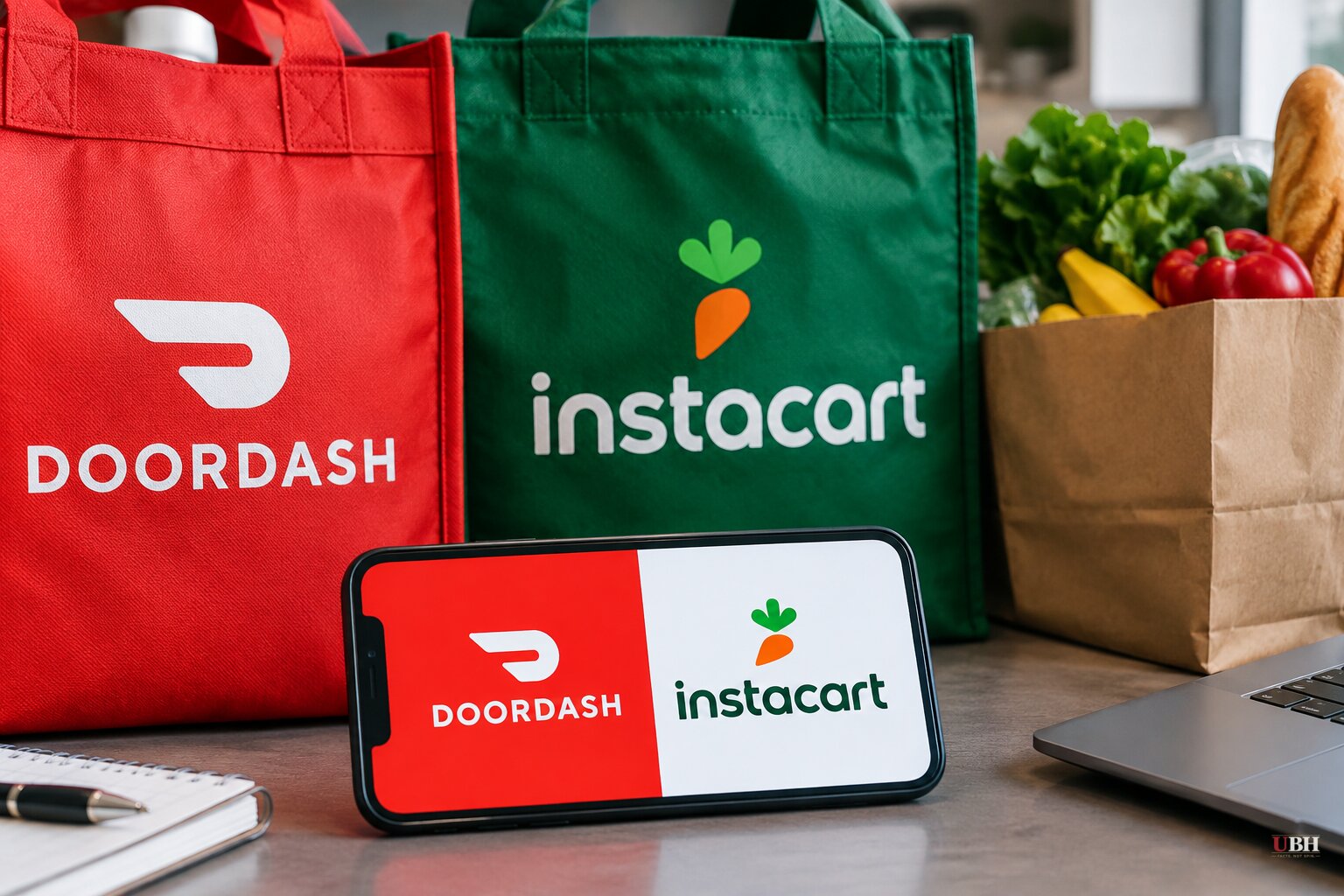
Three days after reports that DoorDash was in advanced talks to buy Instacart, the two San Francisco companies announced today, Oct. 29, a definitive deal valuing Instacart at about $17 billion.
DoorDash will pay $65 a share. That is an 11% premium to Instacart's Wednesday close and about 26% above its Oct. 22 close, the last session before reports surfaced that Instacart was exploring a sale. Instacart's board approved the agreement unanimously.
How the deal is structured
The consideration will be at least 75% cash, according to DoorDash's release. Instacart stockholders can elect cash, DoorDash stock or a mix, with proration so DoorDash stock does not exceed 25% of the total. The cash portion is mostly financed with borrowing. DoorDash plans to fund it with existing cash and debt financing, backed by a committed bridge facility via JPMorgan Chase Bank, and says it aims to maintain investment-grade ratings.
That is a lot of debt for a company that, per NBC News citing Bloomberg data, has seen its own share price decline by approximately a third over the past year, largely due to rising costs. The release does not change that math.
In pre-market trading this morning, DoorDash shares were up more than 8%, with other readings above 9%. Instacart was roughly flat, up about 0.3% in one reading and marginally lower in another. Those are pre-market moves, not regular-session prices.
What changes for customers and workers
The companies say Instacart users will get access to more than 50,000 additional stores on top of the nearly 100,000 already on the platform. DashPass and Instacart+ members would pay one membership fee instead of two. The companies project annual membership savings of about $100 million for customers.
DoorDash says it will keep Instacart's brand, enterprise technology and app after closing. Until then, the two companies stay separate and independent.
The companies also list post-close commitments. Local grocers will not be bound by platform exclusivity and can work with either service. Instacart shoppers will keep flexibility over their hours and which orders they accept, and can choose whether to take DoorDash orders.
Both companies rely on gig workers for picking and delivery. As independent contractors, most do not receive benefits such as health insurance or retirement contributions.
The competitive pitch
DoorDash CEO Tony Xu framed the deal around grocery being hard to do online. "Someone has to pick a ripe avocado, find a substitute you'd choose yourself, and get the ice cream to you before it melts," he said. "Together, we could give stores of every size more of those tools."
Instacart CEO Chris Rogers said the combination will make "online grocery more seamless and affordable" for millions of households.
DoorDash argues the real threat is the biggest retailers. In its statement, the company said the biggest online retailers and grocers are "racing ahead, building their own delivery fleets, warehouses, membership programs, and AI shopping assistants," and that a grocer or retailer "running on thin margins cannot build all of that alone." Amazon has rolled out same-day perishable food deliveries to more parts of the U.S. over the past year.
The antitrust question
The deal joins what Engadget describes as the two largest grocery delivery platforms in the U.S. DoorDash already runs its own grocery business and has added regional grocers, including a Kroger partnership announced last year. NBC News cited Bloomberg data showing DoorDash commanded some two-thirds of U.S. food delivery volume as of 2024.
Wedbush analysts flagged the regulatory risk in a Monday research note. Third-party delivery platforms "remain a minority of total grocery consumption, but slicing and dicing the online market more narrowly or from a perspective of the grocers as enterprise customers can make approvals more challenging," they wrote.
This is not DoorDash's first attempt. Talks over Instacart in 2021, at a higher valuation, reportedly ended over price and possible antitrust problems.
Instacart also has recent regulatory history. In December it agreed to pay $60 million to settle Federal Trade Commission allegations that it misled users with false advertising and used "unlawful subscription enrollment" practices.
Timeline
The companies expect to close in late 2027 or the first half of 2028. That requires stockholder approval and regulatory clearance, including in the U.S., Canada and Israel.
The open question is how U.S. antitrust reviewers define the market. If grocery delivery is counted narrowly, as the Wedbush note suggests it could be, the overlap between the two companies looks larger. If it includes Amazon and Walmart, as DoorDash argues, it looks smaller. That definition will likely decide how long the review lasts.
Sources used for this briefing
8 links from 8 independent newsrooms (syndicated copies of the same report count once)
These are the sources it draws on, linked so you can verify.


