
Unbiased headlines. Facts, not spin.
Unbiased Headlines is an independently owned news organization. We bring you the facts, not opinions, written fresh from 110+ named sources. Sources linked so you can verify it yourself.
 economy
Major Story (7/10)
FTC Orders Walmart, Uber, Delta and Six Other Companies to Detail Use of Personal Data in Pricing and Pay
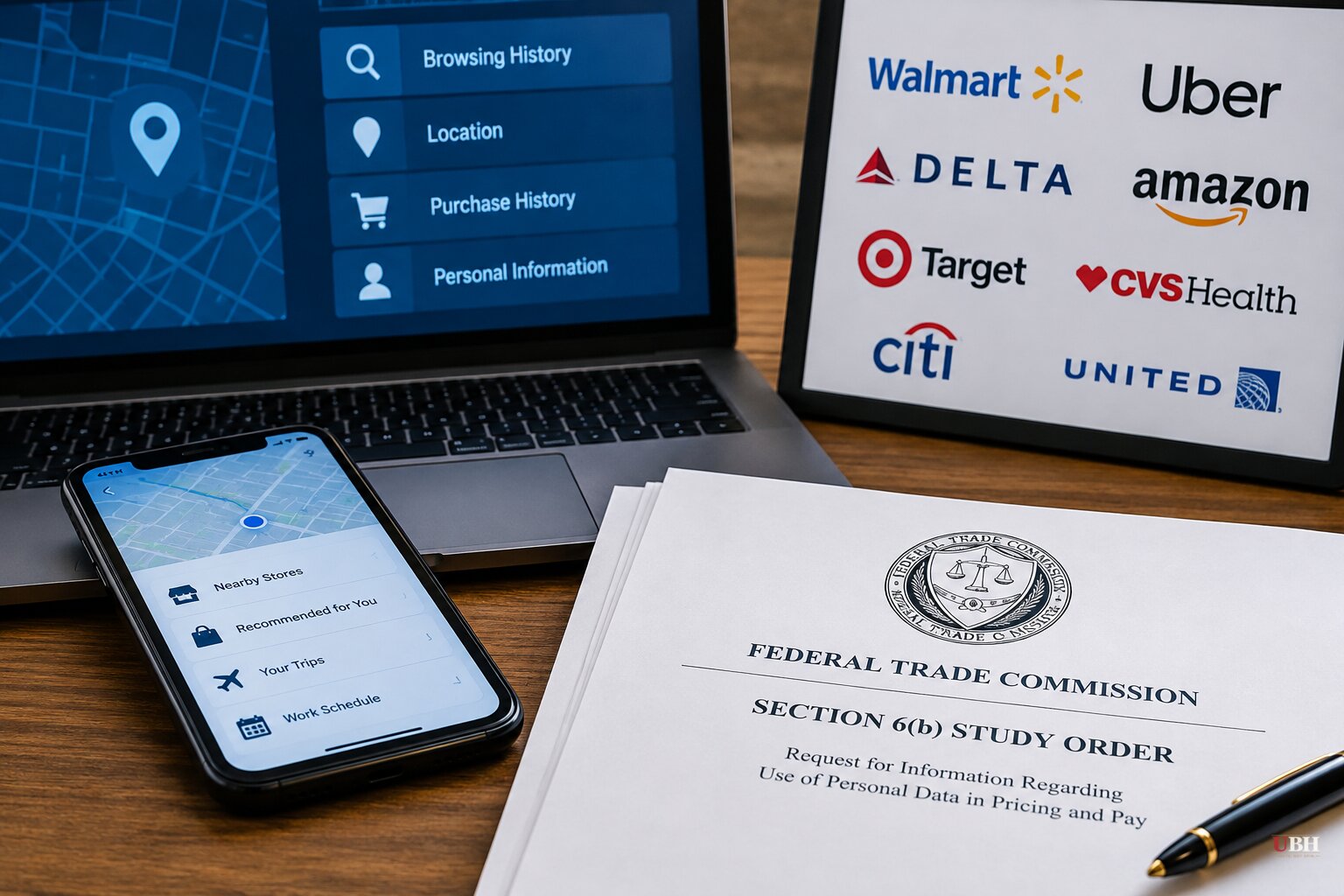
Two days after the FTC and 20 states sued Dollar General over shoppers being charged more than shelf prices, the agency opened a broader front on how companies decide what each customer pays. On Wednesday, Oct. 28, the Federal Trade Commission ordered nine companies to hand over detailed information on whether they use personal data to set individual prices, wages and job offers.
The recipients are Walmart, Target, Uber, Lyft, DoorDash, Instacart, Delta, United and JetBlue.
What the FTC is asking for
The orders were issued under Section 6(b) of the FTC Act, which lets the agency compel information for a study. The FTC says the companies must provide information that lets it assess whether the price of a ticket, ride, food delivery or other product varies from person to person. Factors include participation in loyalty programs and algorithmic analysis of personal data.
Reuters, which first reported the orders, said a senior FTC official described the data at issue as including location, browsing history and income.
The agency also wants to know how ride-sharing and delivery companies pay workers. Quiver Quantitative reports the FTC is examining whether phone usage and a worker's past history of accepting offers influence compensation. Companies must document the inputs, tools and procedures used to set or adjust prices and pay.
"We intend to scrutinize the opaque methodology that some companies in these industries may be using to determine how much consumers pay or how much gig workers are paid for the same product or service," Chairman Andrew Ferguson said in the FTC's announcement.
"Consumers deserve to know whether companies use their web surfing habits or other personal data to estimate the highest price they can charge each consumer," he said. "Workers also deserve to know if their compensation is affected by how companies use their personal data."
A study, not a case
No charge, complaint or finding of wrongdoing accompanies the orders. The FTC will use the responses to publish a study meant to inform regulators and lawmakers. The agency has given no publication date.
Quiver Quantitative reports recipients have 45 days from receipt to respond, and that the Commission approved the orders 2-0. If a company fails to comply, the FTC can go to federal court to compel it.
Personalized pricing is hard to see from the outside because different customers are shown different prices. That is the gap the FTC says the study is meant to fill.
The legal limits
Hundreds of commenters urged the FTC to ban personalized pricing outright after it sought public input. The FTC has said it lacks the authority to issue a blanket prohibition.
Ferguson has taken a narrower position. He has said personalized pricing could violate consumer protection laws where consumers do not expect it, and that companies should expect enforcement. That standard turns on consumer expectations, which leaves wide room for argument over what counts as a surprise.
State lawmakers have moved faster than Washington. Efforts to ban personalized pricing, and the use of algorithms to tailor individual wages, have taken off in recent years.
The National Retail Federation has criticized those state laws. It defends retailers' use of data-driven discounts as a way to reward and encourage customer loyalty. That argument draws a line between charging someone more and offering someone less, and the study's questions on loyalty programs touch exactly that line.
Different industries, different exposure
The list spans retail, gig platforms and airlines. Newsquawk's market analysis notes that the exposure differs by sector. Pricing algorithms are central to the platforms' business models, while dynamic pricing is long-established practice for airlines.
That analysis also says such studies have sometimes fed into rulemaking agendas and at other times produced reports with little consequence, depending on who leads the commission. The FTC currently has two commissioners voting, per the 2-0 tally.
The timing
Reuters reported that the move comes ahead of next week's congressional elections, as voters consistently rank the cost of living as their top issue. The FTC's own announcement does not link the orders to the election.
Target is the only recipient among the nine that also sells groceries and household goods alongside Walmart, so the retail side of the inquiry will test how store-level and app-level pricing differ. Uber, Lyft, DoorDash and Instacart will have to explain how their apps set both what customers pay and what workers earn.
The next concrete marker is the response deadline, 45 days from each company's receipt of the order. After that, the open question is whether the FTC's eventual report stays a study or leads to cases under the consumer-expectation standard Ferguson has described.
Sources used for this briefing
8 links from 7 independent newsrooms (syndicated copies of the same report count once)
These are the sources it draws on, linked so you can verify.


