
Unbiased headlines. Facts, not spin.
Unbiased Headlines is an independently owned news organization. We bring you the facts, not opinions, written fresh from 110+ named sources. Sources linked so you can verify it yourself.
 energy
Major Story (7/10)
Event date: November 4, 2026 ·
Gas Falls to $4.06 After Election as Oil Drops; Analysts Forecast Sub-$4 Within Days
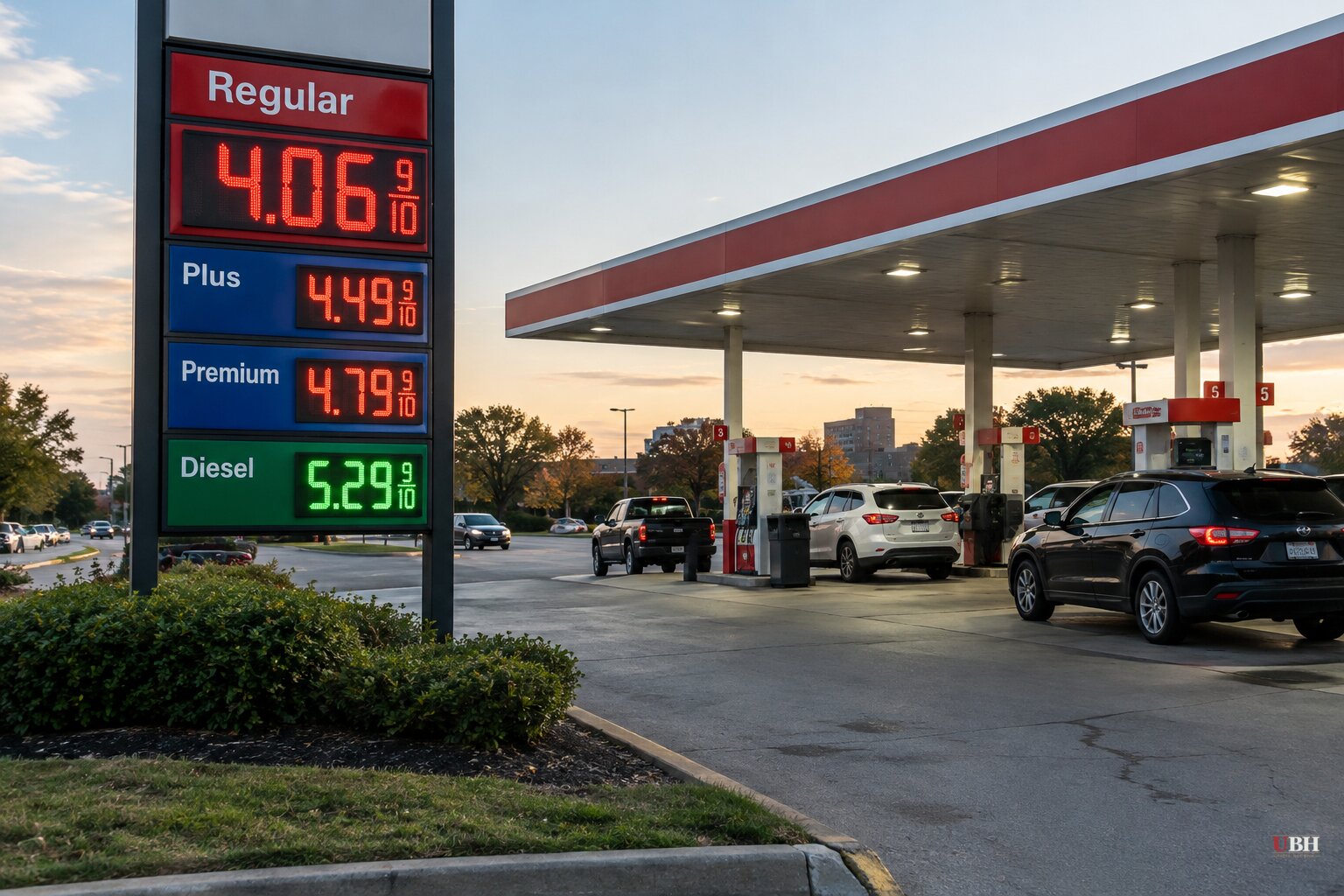
Since the U.S.-Iran war began Feb. 28, gasoline has been a political liability for the White House. The days after the Nov. 3 midterms brought the first real relief at the pump.
GasBuddy put the national average for regular at $4.06 a gallon on Thursday, and it was unchanged early Friday, Nov. 6. AAA had it at $4.10 on Nov. 5, down more than two cents from the day before. A year ago the figure was almost $3.08.
Oil drops after the election
Brent crude futures settled at $94.62 a barrel on Nov. 4, down 8.7%. On Nov. 5 they were trading around $96.88 by 11 a.m. ET, up about 2.4%, according to Epoch Times. West Texas Intermediate traded near $90.42 at midday Thursday, CBS News reported.
Both are still well above the roughly $72 Brent closed at on Feb. 27, the day before the war started.
Giovanni Staunovo, a commodity analyst at UBS, said the modest rebound reflects the unresolved situation in the Middle East. June Goh, senior oil analyst at Sparta Commodities, said more volatility is likely because the path to a diplomatic end to the war is unclear and global strategic reserves have been drawn very thin.
What analysts expect at the pump
De Haan said the national average could dip below $4 by next week and diesel below $6 by Thanksgiving. In a post on X based on the Nov. 4 close, he put gasoline at $3.65 in the weeks ahead and diesel at $5.50.
Tom Kloza, chief energy adviser for Gulf Oil, expects gas below $4 within 10 days. He also pointed to station margins of about 75 cents a gallon. "Historically, that is too outsized," Kloza said in an email, adding that a more normal markup is 40 cents.
De Haan gave three reasons for the decline. Oil fell before the election on optimism that the war would be addressed afterward. Tanker traffic through the Strait of Hormuz has picked up. Seasonal demand is down, and stations are switching to cheaper winter-blend fuel.
The shipping picture is mixed. S&P Global data show vessel traffic through the strait in October at its highest monthly level since July, but crude tanker movements fell and security incidents continued.
Diesel and the year-over-year gap
Diesel is the harder number. The EIA put the national on-highway average at $6.292 as of Nov. 3, down 6 cents on the week but $2.539 above a year earlier. Gasoline in the same report was $4.153, down 12 cents and up $1.134 on the year.
Business Insider's analysis of AAA data found regular gas at least $1 higher than a year ago in 42 states. It found diesel up 71% on average, with nearly every state setting a record this fall. Rhode Island, Massachusetts and New York were the exceptions, having peaked in 2022.
Prices vary widely. Alaska averaged $4.75 among the 16 states with competitive Senate races, and North Carolina $3.38. Michigan's average was up more than 50% over the year, and North Carolina's up 23%.
The politics
De Haan said gas set a record for the highest national average on an Election Day. In 2022, it was about $3.80 the week before the midterms, according to the EIA. Trump campaigned in 2024 on getting gas below $2.
On Election Day, Trump told Fox News: "The inflation is solved. You saw oil came down $10, a record yesterday... And the Hormuz Strait, we have total control of it with the Navy blockade."
The White House has framed relief as tied to the war's end. A spokesperson told Business Insider that gas prices will "drop drastically" once the conflict ends. The spokesperson also said "more oil is now flowing out of the Persian Gulf than before the Iran conflict began," crediting the U.S. military.
The administration has also expanded access to tax-free red-dyed diesel, opened the door to Russian diesel imports and waived the Jones Act.
Democrats flipped both chambers. Vice President JD Vance blamed the war for Republican losses, and Trump told reporters Vance's assessment was largely true because the war drove up gasoline prices.
House Minority Leader Hakeem Jeffries wrote colleagues on Nov. 4 that House Democrats must act in their first 100 days in the majority to stop the war.
Risks ahead
The fighting has not stopped. U.S. officials announced defensive strikes on Iranian targets in the Strait of Hormuz on Nov. 2, according to Fleet Owner.
Warren Patterson and Ewa Manthey of ING Bank wrote in a Nov. 5 note that the Democratic win raises hopes for a quicker end to the war. They said lawmakers are likely to scrutinize it more closely and that funding it could get harder. They also noted the new Congress is not seated until January, "leaving room for escalation." Absent escalation, they said, the market is likely to keep giving back its risk premium, and the selloff looked overdone.
The open question is whether a diplomatic deal arrives before the retail price follows the wholesale drop. If De Haan and Kloza are right, drivers will see a sub-$4 national average within days. If the Strait flares up, the next move in crude could erase it.
Sources used for this briefing
7 links from 7 independent newsrooms (syndicated copies of the same report count once)
These are the sources it draws on, linked so you can verify.


