
Unbiased headlines. Facts, not spin.
Unbiased Headlines is an independently owned news organization. We bring you the facts, not opinions, written fresh from 110+ named sources. Sources linked so you can verify it yourself.
 energy
Major Story (7/10)
Democrats Win Georgia Utility Board for First Time in 30 Years After Campaigning on Power Bills and Data Centers
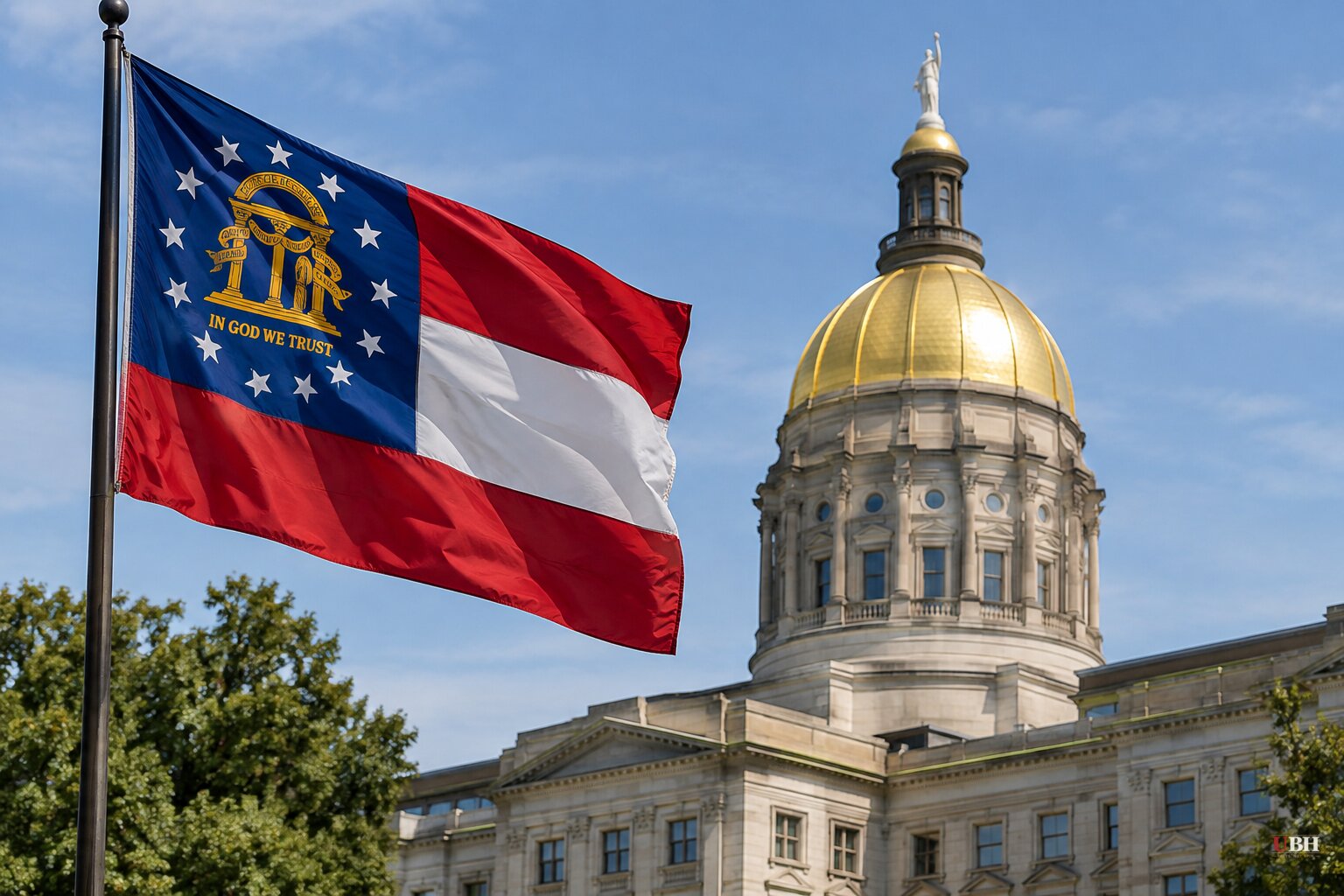
Georgia's energy regulator is changing hands. Democrats Peter Hubbard and Sheila Edwards won their Public Service Commission races on Tuesday, Nov. 3. That gives the party three of the five seats starting in January, the first Democratic majority on the board in 30 years.
Hubbard was reelected after winning a special election last year. Edwards, a community activist and business owner, won an open seat. The third Democrat, Alicia Johnson, won her seat in 2025 and was not on this year's ballot. Commissioners serve six-year terms, and the new members take their oaths on Jan. 1, 2027.
A regulator under pressure
Republicans held all five commission seats from 2006 until 2025. During that stretch, Georgia Power customers absorbed rate increases in 2007, 2010, 2013, 2019 and 2022. Six more since 2023 have added about $44 to monthly bills, according to Inside Climate News.
Much of that was tied to the nuclear expansion at Plant Vogtle in Burke County. Construction began in 2009 with a 2017 target. It took 15 years to finish and ran more than $17 billion over budget. Customers are still paying for it.
Against that backdrop, the campaigns centered on bills. "We knew that we had to connect the dots between energy and affordability," said Brionté McCorkle of Georgia Conservation Voters, which campaigned for the Democratic candidates.
What the winners say they will do
Hubbard says his first priority is an affordability docket, a series of hearings on why power bills are high and how to cut them. He also plans close scrutiny of upcoming Georgia Power requests to add generation and adjust rates. "There's a long laundry list of things that need to be looked into," Hubbard said.
Edwards said she campaigned on "People Before Profits," transparency at the commission and making sure "large data centers pay their fair share." Fox 5 Atlanta reported she also endorsed a data center construction freeze championed by Gov.-elect Keisha Lance Bottoms. "We need to pause," Bottoms said.
Sacha Haworth, founder of the Tech Oversight Project, argues residential customers carry an unfair burden. "We're paying higher rates at home because these data centers are gobbling up more and more energy," she said.
The utility's position
Georgia Power has long argued the opposite. The company maintains that revenue from data centers will more than pay for the infrastructure built to serve them, which it says keeps rates lower for residential and small business customers.
Chris Womack, CEO of parent company Southern Company, acknowledged the importance of affordability on Thursday's third-quarter earnings call. He said he is confident the utility can work with the new commissioners. "If you look at what we have been doing with rate freezes, with benefits, with how we are providing benefits from growth to customers... we think that's a strong platform to stand on," Womack said.
Emory University associate professor Kristin Phillips, who studies energy burden and the commission, expects a change in approach. But she cautioned against expecting quick relief. "We may not be able to expect immediate effects on our wallets," she said. Some effects, she added, "won't actually go into place for a number of years."
Part of a wider state-level swing
Georgia was one piece of a broad Democratic gain. The Associated Press called enough Arizona legislative races on Friday to confirm that Democrats flipped both chambers there. With Gov. Katie Hobbs retained, Arizona has its first Democratic trifecta since 1966. In her first term Hobbs vetoed more than 540 measures from the Republican-led Legislature.
The AP counts Democratic trifectas in at least six states: Arizona, Michigan, Minnesota, Pennsylvania, Nevada and Wisconsin. Democrats also won the Texas House, which Republicans had held since 2003, and elected Gina Hinojosa as the state's first Democratic governor since Ann Richards lost in 1994. Republicans kept the Texas Senate.
Democrats will hold at least 28 governorships, with pickups in Georgia, Iowa, Ohio and Texas. Results are still pending in Alaska and Kansas. The National Council of State Legislatures says it is likely to be the election with the most legislative seats and chambers changing parties since 2010.
In Wisconsin, Devin Remiker, the state Democratic Party chairman, said: "Now it's time to deliver." The AP noted the wins put pressure on Democrats to answer voter anger over gas prices, inflation, housing and the cost of living.
Markets react to data center risk
On Thursday, Nov. 5, AI-linked stocks sold off. CNBC reported the Nasdaq Composite fell 5.4% in late trading, leaving it more than 10% below its recent record. The S&P 500 fell 4.3%, and the Dow shed 1,844 points. Nvidia and Broadcom each dropped roughly 9%, Oracle lost 7% and CoreWeave fell 11%.
The selloff followed the midterm results. Fox News, citing CNBC, reported investors were worried that Democratic wins could mean tougher limits on data center construction. Haworth said the market drop should not deter policy changes. "It is going to correct itself," she said.
The next test comes quickly. The Georgia legislative session begins taking up data center policy on Jan. 11, 2027, ten days after the new commission majority is sworn in.
Whether a construction pause can be squared with Georgia Power's argument that data center revenue holds down household rates is the open question. The commission, the governor-elect and the legislature all have a hand in the answer.
Sources used for this briefing
8 links from 8 independent newsrooms (syndicated copies of the same report count once)
These are the sources it draws on, linked so you can verify.


