
Unbiased headlines. Facts, not spin.
Unbiased Headlines is an independently owned news organization. We bring you the facts, not opinions, written fresh from 110+ named sources. Sources linked so you can verify it yourself.
 health
Major Story (8/10)
Fighting Resumes 15 Miles From Bunia, Hub of Congo's Ebola Trials, as Displaced Families Move Toward the City
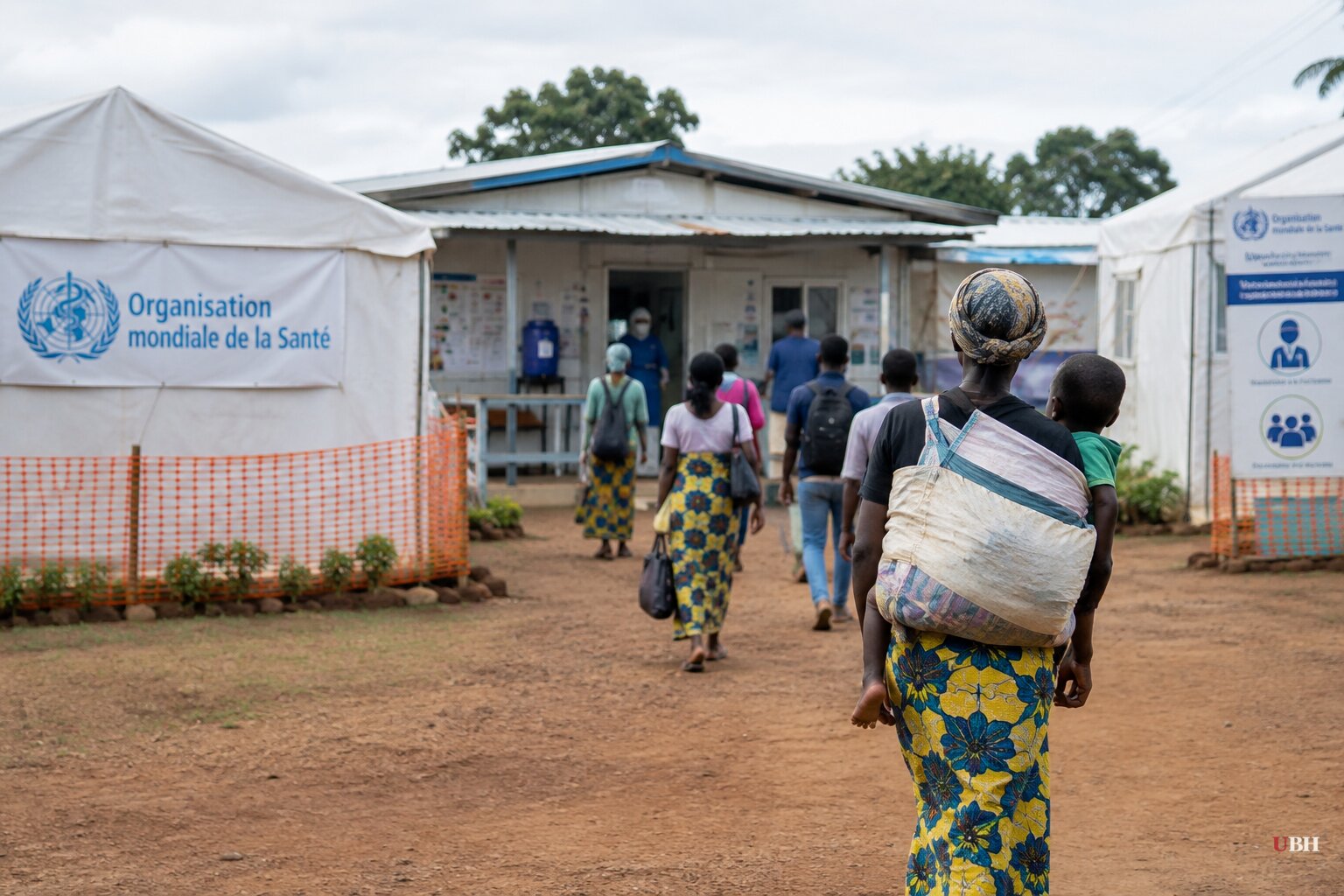
Since Congo declared the Bundibugyo Ebola outbreak in May, confirmed cases have reached 12,021, and fighting is now pushing toward the city that anchors the response.
The army and rebels of the Convention pour la révolution populaire (CRP) resumed fighting Thursday morning, Nov. 26, in Iga-Barrière. The mining town sits about 25 kilometers (15 miles) north of Bunia, the capital of Ituri province. The clashes are sending new waves of displaced people toward Bunia, according to the Associated Press.
Why Bunia matters
Bunia hosts both clinical trials for this virus. There is no approved vaccine or treatment for Bundibugyo, so trials are the main route to either.
The Tumaini ring-vaccination trial vaccinated its first participant in Bunia on Oct. 23. It vaccinates contacts of confirmed cases in rings, and the licensed Ervebo vaccine is the first candidate being tested.
The PARTNERS treatment trial began in Bunia on July 2. It aims to enroll 700 to 1,000 patients and tests the antiviral remdesivir and the antibody MBP134, alone and together. Doctors Without Borders (MSF) is a trial site at its Elikya treatment center in Bunia.
Both depend on finding patients and the people around them quickly. Ring vaccination does not work if responders cannot identify and follow contacts.
What the fighting has already cost
Dr. Catherine Smallwood, the WHO's Ebola incident manager, said Wednesday that fighting earlier this week prevented teams from reaching some communities and disrupted monitoring of people exposed to the virus. It also left some treatment centers short of staff.
Smallwood said about a dozen people, including two WHO personnel and Congolese health officials, were evacuated to Bunia on Tuesday. They had spent three full days trapped in a hospital in Akwe, northeast of Bunia, in intense crossfire. WHO Director-General Tedros Adhanom Ghebreyesus separately said staff near an Ituri hospital sheltered in a maternity ward for more than 24 hours.
Contact tracing was weak before the latest clashes. Africa CDC said only 15% of new cases were already known contacts when they were confirmed. A WHO report dated Nov. 6 put contact follow-up at an average of 86%, against a 95% target.
The scale of the outbreak
Congo's Ministry of Health says nearly half of the 12,021 confirmed patients have died. The AP calls it the fastest-growing Ebola outbreak on record and the deadliest of Congo's 17 outbreaks. The AP says it is on track to pass the roughly 11,000 deaths of the 2014 to 2016 West African epidemic.
At the Nov. 17 meeting of the International Health Regulations Emergency Committee, Tedros said cases had more than doubled in three months. He reported more than 11,000 cases and 5,400 deaths across 67 health zones in eight provinces, with 400 to 500 new cases still reported each week.
Children are bearing a heavy share. Tedros said they account for more than a quarter of confirmed cases and a third of deaths.
The WHO's Nov. 6 report counted 7,485 cases in Ituri and 2,593 in Nord-Kivu. It also recorded nine confirmed cases and two deaths in Kenya and one imported case in Nigeria.
Who is fighting
The CRP is one of more than 100 armed groups in eastern Congo. Former warlord Thomas Lubanga founded it last year. The International Criminal Court convicted Lubanga in 2012 of recruiting children under 15 and using them in fighting.
Responders also face poor roads and violence from residents fueled by mistrust and misinformation, the AP reports.
What comes next for the trials
On Nov. 17, Tedros said two vaccine candidates developed specifically for Bundibugyo would begin testing "as early as next week." Both have completed smaller Phase 1 trials. The WHO's Nov. 6 outbreak report says each enters the Tumaini trial only after national approvals.
The WHO has not said whether either candidate has enrolled a participant. Al Jazeera reported that the WHO expects results in early 2027. Whether Bunia stays secure enough to run the trials until then is now an open question.
The WHO has not said when its teams will return to the areas they left.
Sources used for this briefing
7 links from 6 independent newsrooms (syndicated copies of the same report count once)
These are the sources it draws on, linked so you can verify.


