
Unbiased headlines. Facts, not spin.
Unbiased Headlines is an independently owned news organization. We bring you the facts, not opinions, written fresh from 110+ named sources. Sources linked so you can verify it yourself.
 health
Major Story (7/10)
Event date: November 24, 2026 ·
HHS Says 92% of Rural Hospital Medicaid Savings Come From Slower Growth. Kentucky Researchers Warn of Closures
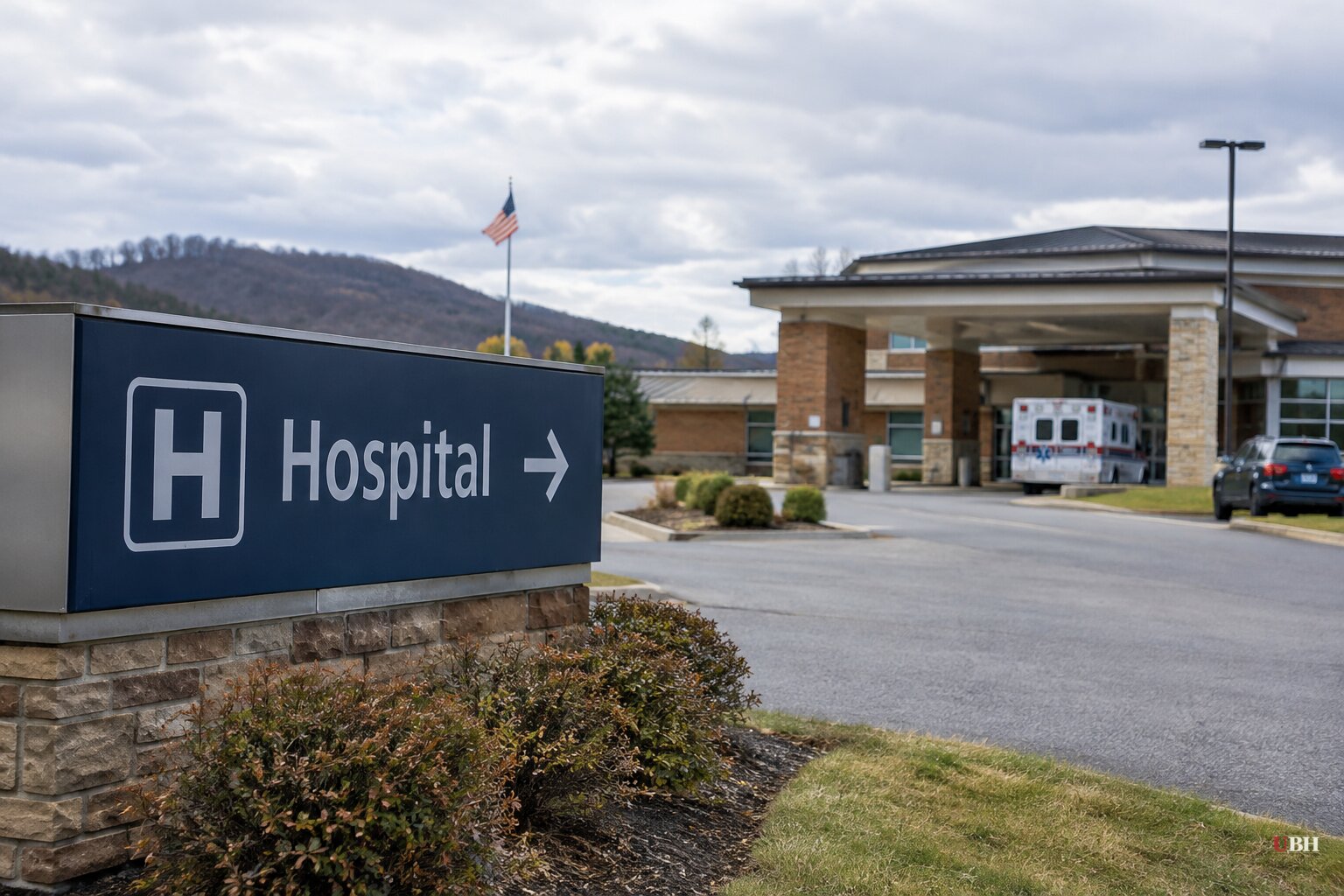
Since CMS began instructing states in April to end Medicaid for refugees, asylees and parolees as of Oct. 1, the argument over the One Big Beautiful Bill Act has widened from enrollment rolls to hospital budgets. Two new data points frame it: a federal analysis of rural hospital payments and a close look at Kentucky.
What HHS says the numbers show
On Nov. 23, the Office of the Assistant Secretary for Planning and Evaluation at HHS released an analysis of Medicaid state-directed payments. These are payments states steer to providers through managed care plans.
Rural hospitals received an estimated $11.5 billion through the program in 2025. ASPE estimates the law saves $81.6 billion on rural hospital payments from 2026 through 2035. Of that, $75.2 billion, or 92.1%, comes from capping growth above the 2025 annual level rather than cutting below it.
The analysis also found that only 7.8% of state-directed payments went to rural hospitals.
"Counting every dollar of projected savings as a cut below existing funding gives the public the wrong picture," said Casey Mulligan, HHS chief economist and chief regulatory officer. HHS Secretary Robert F. Kennedy Jr. said the administration will "account for spending of every taxpayer dollar."
The accounting point is a real one. Washington scores money not spent in the future as "savings" even when spending never falls. It is also an analysis from the department that runs the policy.
Kentucky: where the dependence is deepest
About 1.4 million Kentuckians are on Medicaid. Kentucky has the third-highest cancer death rate and third-highest drug overdose death rate in the country. Medicaid spending there topped $10,600 per capita in 2023, among the highest in the nation.
Dustin Pugel, policy director at the Kentucky Center for Economic Policy, says Medicaid payments to providers in the 5th Congressional District make up 13.5% of the regional economy's GDP. "If that money starts to dry up either because people aren't covered any more or through cuts to provider rates, that's going to create enormous economic harm in those areas," he said. He added that reduced funding "will certainly result in layoffs, may result in hospital closures and will definitely hurt people's health."
Estimates cited in Kentucky coverage put up to 250,000 residents as directly affected. They also put about 35 rural hospitals at risk of closing, more than any other state, and $28 billion in lost federal Medicaid funding over a decade. Those are projections, not completed losses.
In Perry County, almost 36% of residents, including more than half of children, relied on Medicaid in 2023. Zack Hall, the Democratic Party chair there, says that if five Appalachian hospitals close, patients from nine or ten more counties would flood the remaining one.
The HHS comparison is against 2025 spending. The Kentucky warnings concern whether hospitals can stay open if future payments stop rising as projected. A Public Citizen report earlier this year put nearly 450 U.S. hospitals at risk of closure or service cuts from Medicaid and CHIP reductions.
Politics and the work requirement
The federal work requirement takes effect in January. Many enrollees must show 80 hours a month of work, volunteering or school.
Sen. Mark Warner, D-Va., wrote on X Monday that "Trump's Medicaid cuts will strip millions of Americans of their health care coverage" and called for universal coverage. Sen. Patty Murray, D-Wash., says Republicans "gutted Medicaid" while prioritizing "tax cuts for billionaires."
A Republican has voiced doubts too. Sen. Thom Tillis, R-N.C., last month warned of "significant headwinds" from the bill's health provisions: "I think they're coming too soon." He predicted health care would be a major factor in the 2029 election.
Rep. Joe Neguse, D-Colo., introduced the MediKids Act. It would enroll every American under 26 in Medicaid's EPSDT benefit regardless of income or immigration status. Neguse says H.R. 1 eliminated coverage for nearly 16 million people. That is his figure, and nothing in HHS's analysis speaks to it.
The immigrant cutoff
PBS reported that hundreds of thousands of legal immigrants have lost Medicaid. Among them is Hasan Al-Omar, 46, a Syrian refugee in Columbus, Ohio, who lost the caregivers that helped him leave home. PBS cites a projected $900 billion reduction in federal Medicaid spending over the decade.
A group of refugees and other immigrants, represented by the Lawyers' Committee for Rhode Island, filed a proposed nationwide class action Tuesday, Nov. 24. It argues CMS's reading of the law violates the Administrative Procedure Act because SSI eligibility rules were left intact. Plaintiffs' attorney Amy Romero says her clients are "rationing blood pressure pills, skipping heart monitoring, and putting off surgeries." A Seattle judge has already blocked the cutoff for about 800 SSI recipients in Washington state.
The plaintiffs want relief nationwide by Dec. 22, ahead of the year-end deadline for states to submit Medicaid plans to HHS. That ruling, and the January work-requirement start, are the next tests of how many people lose coverage and what happens to the hospitals that treat them.
Sources used for this briefing
7 links from 7 independent newsrooms (syndicated copies of the same report count once)
These are the sources it draws on, linked so you can verify.


