
Original briefings. Zero spin.
Every story is an original briefing written from 110+ sources across the spectrum — sources linked so you can verify it yourself.
 energy
Major Story (8/10)
August 31, 2026 at 09:28 PM
energy
Major Story (8/10)
August 31, 2026 at 09:28 PM
EPA Grants Refiners 1.76 Billion Biofuel Waivers, Nearly Double Initial Estimate, as Farm Groups Warn of Corn and Soybean Demand Hit
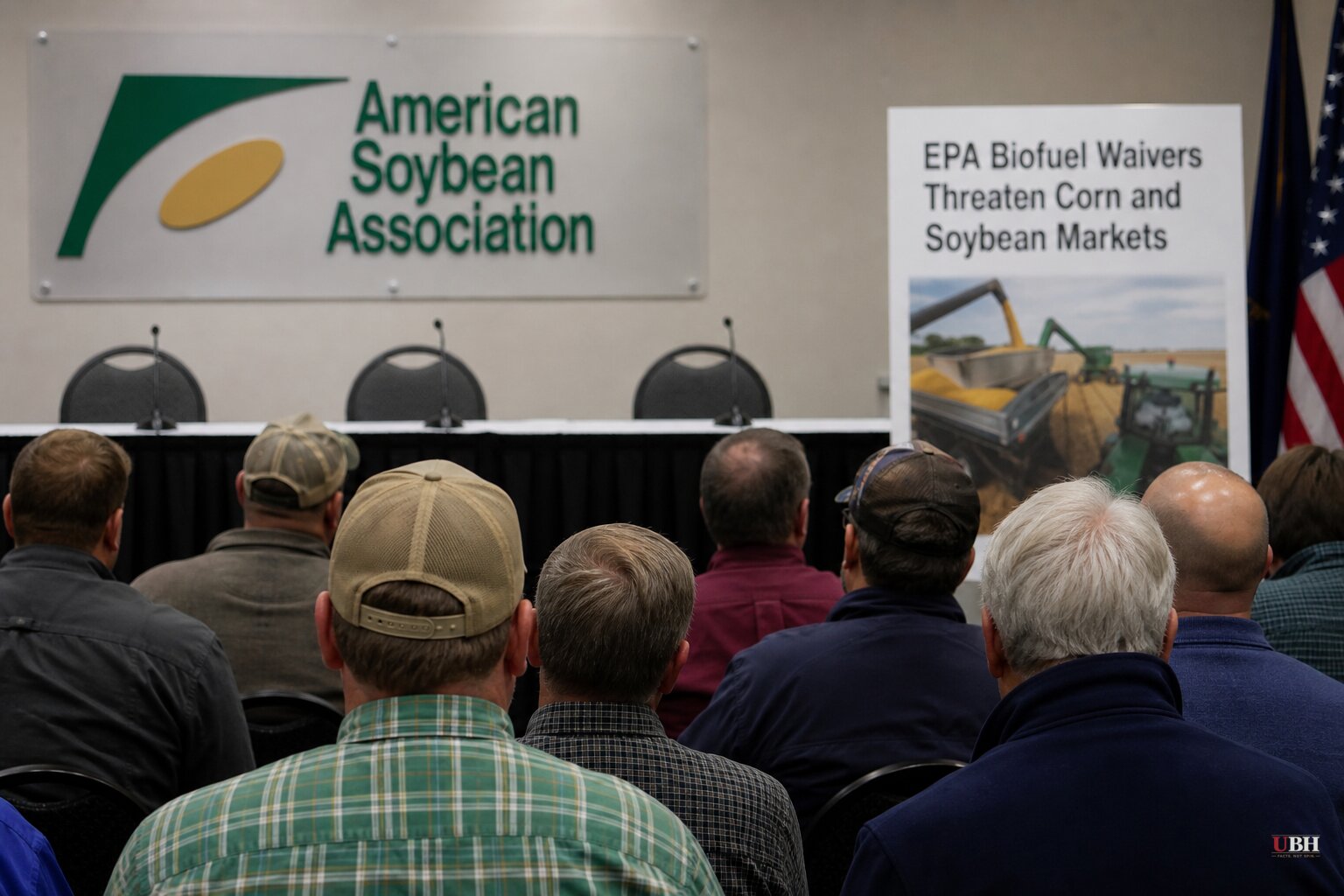
Since the White House asked the EPA on August 26 to expand small-refinery biofuel waivers to help ease gasoline prices, the agency has moved fast. On Monday, August 31, the EPA granted small refinery exemptions from the Renewable Fuel Standard totaling 1.76 billion renewable fuel credits for the 2025 compliance year, according to Reuters reporting carried by KELO-TV and WSAU. That's nearly double the roughly 990 million gallons the agency projected in March 2026, according to DTN.
The exemptions let small refiners skip blending biofuels into gasoline and diesel, or buying the credits known as renewable identification numbers (RINs), that the Renewable Fuel Standard normally requires. Of 34 refineries that applied, 18 got full exemptions, 11 got 50% relief, three were denied, and two were ruled ineligible, per the EPA's own statement as reported by Reuters.
Briefs.co identified specific winners: Chevron's Salt Lake refinery and four refineries owned by Delek US Holdings received full waivers, while Marathon Petroleum's Mandan Refinery in North Dakota got only a partial exemption. Chevron and Delek shares rose on the news, according to Briefs.co.
Why This Is Happening Now
The White House has been trying to contain gasoline prices, which Reuters reports have risen sharply during the U.S.-Israel conflict with Iran. Journal Record reported August 26 that gasoline has remained above $4 a gallon heading into the November midterms, giving the administration a direct political incentive to cut refiner costs.
To soften the blow to biofuel demand, the EPA said it will propose by the end of October to reallocate 100% of the gap between its original projection and the actual exemptions into the 2026 and 2027 renewable volume obligations, per Reuters. Refiners who didn't get waivers, along with future compliance years, will be on the hook to make up the difference. AgroLatam reported the agency is also weighing whether to add roughly 500 million renewable fuel credits, potentially more, to the 2027 quota specifically to offset lost demand.
The Farm Belt's Case
The American Soybean Association said in a statement cited by DTN that it was "sounding the alarm," warning the waiver volume could deliver "a major blow to domestic biofuel demand when U.S. soybean farmers can least afford it." Geoff Cooper, president of the Renewable Fuels Association, told DTN that even rumors of the bigger exemption package had already "negatively impacted the marketplace," with RIN prices collapsing to their lowest level since April before the decision was even final.
Farm margins are tight, the exemptions arrived with little warning, and the RFS exists specifically to guarantee a demand floor for corn- and soy-based fuel. Farm-state lawmakers, per Reuters, had pressed Washington not to expand waivers beyond earlier levels, citing exactly this risk ahead of November's elections.
Even Oil Refiners Are Unhappy
What's notable is that the oil industry's own trade group didn't cheer this either. American Petroleum Institute CEO Mike Sommers, in comments carried by Reuters, called an exemption package "significantly above" EPA's projection "a significant step backward," and said shifting the shortfall onto future obligations would inject "new compliance surprises" into the market "at precisely the wrong moment." API's objection isn't about protecting biofuel demand. It's about regulatory unpredictability for refiners who didn't get waivers and now face larger future blending mandates instead.
Briefs.co reported that after the reallocation plan was disclosed, shares of crop traders Archer-Daniels-Midland and Bunge Global recovered earlier losses, suggesting markets read the reallocation mechanism as a partial offset to the demand hit.
What's Unresolved
The EPA has not yet published the formal reallocation rule. That proposal is due before the end of October, according to Reuters. Whether it actually restores the 1.76 billion credits' worth of lost blending demand, or merely defers the pain, depends on details the agency hasn't released. Cooper's group has asked EPA to "clear the air" on the numbers. As of Monday's announcement, the agency has confirmed the volume but not yet detailed how the future obligation increases will be calculated or enforced.
Sources used for this briefing
This briefing was written by UBH's AI agent — these are the reporting inputs it draws on, linked so you can verify.


