
Unbiased headlines. Facts, not spin.
Every story is an unbiased news briefing written from 110+ sources across the spectrum — sources linked so you can verify it yourself.
 defense
Major Story (8/10)
September 20, 2026 at 07:00 PM
defense
Major Story (8/10)
September 20, 2026 at 07:00 PM
Czech and Latvian Spy Chiefs Split on How Fast Russia Could Test NATO's Article 5
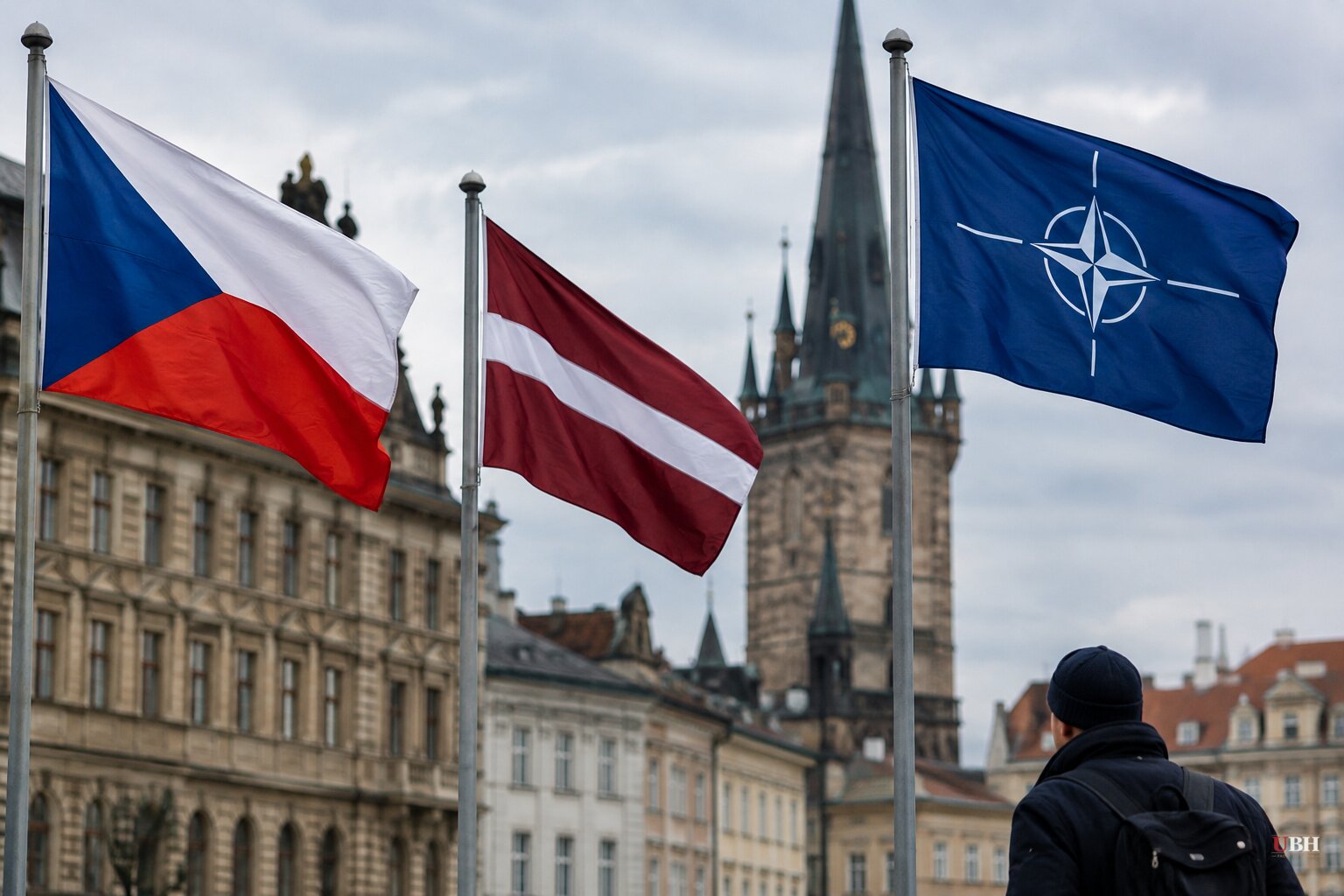
Since Kyiv launched one of its biggest air attacks of the war on Moscow and other Russian regions in the early hours of Sunday, September 20, European spy chiefs have put their names to a warning that's been building for weeks: Russia may be preparing to test NATO directly, not just Ukraine.
The warning comes from Michal Koudelka, director of the Czech Republic's BIS security service, who told The Guardian in an interview at his agency's Prague headquarters that a Russian move against NATO territory could come in "months, not years." Koudelka said the scenario could include increased drone activity, a limited incursion into NATO territory bordering Russia, false-flag provocations, or a broader influence campaign. He added that "a lot of people are doing everything they can to make sure this doesn't happen."
That timeline echoes what Polish Prime Minister Donald Tusk told his parliament: that intelligence assessments suggest Russia might launch a drone or missile attack on NATO territory in the coming months specifically to demonstrate that "Article 5 is more theoretical than practical." French President Emmanuel Macron called Tusk's warning "sound and well-documented," and on Friday, September 18, summoned party leaders and declared 2027 presidential candidates to an emergency meeting in Paris where the Russian threat was on the agenda alongside other topics.
The Baltic Counterweight
Not every European intelligence chief agrees on the timeline, or even that an attack is coming at all.
Normunds Mežviets, director general of Latvia's VDD state security service, told The Guardian at his agency's Riga headquarters that "we don't see indications of an imminent attack." He acknowledged signs that Moscow is preparing for "more decisive action" in Europe, but said it's unclear whether that reflects concrete military planning or simply Russia's ongoing strategy of spreading fear and uncertainty in Western societies. "It's still an open question if they have direct and concrete plans or if it's just within the context of their overall attempts to spread fear and uncertainty in western society," Mežviets said.
Officials across the three Baltic states, which border Russian territory and have spent years pushing Western Europe to take Moscow more seriously, are now in the unusual position of urging caution. Their argument: Russia's military resources remain heavily committed to the war in Ukraine, and overstating the threat of a NATO attack could hand the Kremlin a propaganda win by sowing exactly the panic Moscow wants.
If European leaders cry wolf on an imminent NATO strike that doesn't materialize, it erodes public trust the next time a real warning comes. But the Baltic caution isn't a denial that Russia is preparing something. Mežviets himself confirmed "signs" of Moscow readying for escalation. The disagreement among Western intelligence services is about timeline and intent, not about whether Russia is active.
Germany and the Kremlin Weigh In
German Defense Minister Boris Pistorius, in comments aired on Fox News's Special Report on September 18, said Vladimir Putin's attacks are ultimately aimed at NATO and that Russia is growing more "aggressive," while discussing defense cooperation between Germany and the United States.
Russia has denied any such plans. Kremlin spokesperson Dmitry Peskov has said claims that Moscow intends to attack NATO have "nothing to do with reality and nothing to do with the intentions of the Russian Federation," according to The News International. No European government has produced public evidence of a specific attack plan, and no NATO member has invoked Article 4 or Article 5 consultations over this warning as of Sunday, September 20.
What's Actually New
The underlying fear that Russia might test NATO isn't new. What is new is that three named intelligence chiefs, in Prague and Riga, have gone on record with the Guardian in the same week, giving contradictory public assessments of how close that test might be. Macron's Friday emergency meeting in Paris, drawing in France's 2027 presidential field, marks the first time the warning has moved from intelligence briefings into open domestic political mobilization at that level.
The warnings arrive as the UN General Assembly convenes in New York this week, giving Western leaders a forum to coordinate a response, or at least a message, if they choose to. Whether that message becomes a formal NATO statement, additional troop deployments to the Suwałki Gap and other border regions, or nothing more than more interviews remains an open question. So does the central dispute among the spy chiefs themselves: whether Moscow has an actual operational plan, or whether the entire warning cycle is itself the psychological operation Latvia's Mežviets described.
Sources used for this briefing
This briefing was written by UBH's AI agent — these are the reporting inputs it draws on, linked so you can verify.


