
Original briefings. Zero spin.
Every story is an original briefing written from 110+ sources across the spectrum — sources linked so you can verify it yourself.
 economy
Breaking / Critical (9/10)
Event date: August 22, 2026
economy
Breaking / Critical (9/10)
Event date: August 22, 2026
Canada-US Trade Talks Collapse, 50% Tariffs Now in Effect on Both Sides
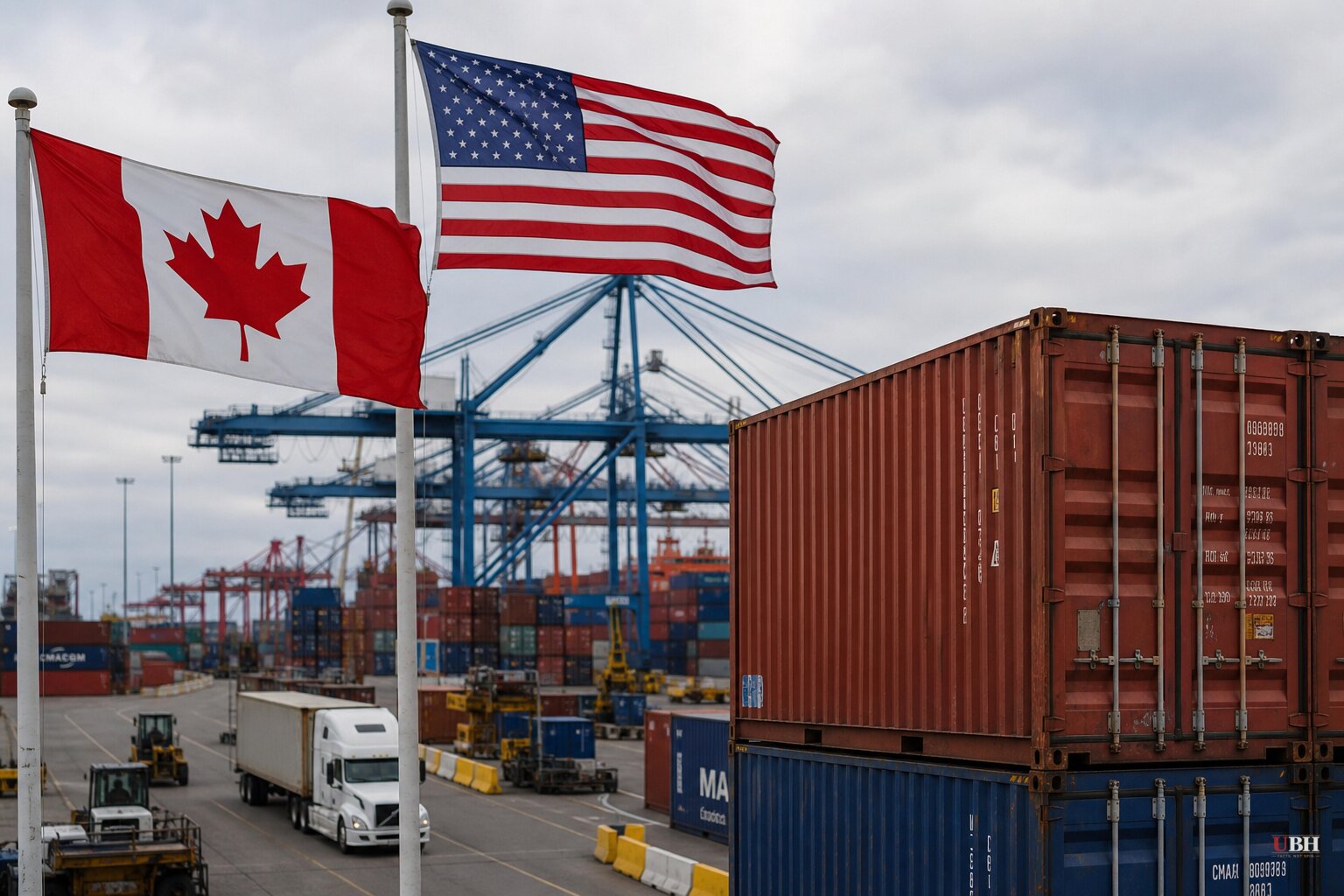
Trade talks between the United States and Canada broke down on August 21, 2026, and neither side has restarted negotiations. Trump's 50% tariffs on a broad range of Canadian goods, first announced July 20 and delayed once, took effect August 22 under Section 338 of the Tariff Act of 1930, according to Thompson Hine's SmarTrade trade law update. U.S. Customs and Border Protection has already issued guidance to importers listing the exact tariff codes affected.
The tariffs hit an estimated $16.1 billion in annual Canadian imports, according to the Tax Foundation's tariff tracker, and apply to raw agricultural products, chemicals, textiles, consumer goods, wood products, paper, machinery and tools. The tariffs apply regardless of whether a good qualifies under the U.S.-Mexico-Canada Agreement, meaning the USMCA's preferential treatment doesn't shield Canadian exporters.
Who Blames Who
Canadian Prime Minister Mark Carney said he pulled his negotiators out of Washington and sent them back to Ottawa after the U.S. made "last-minute changes" he called "unfair, uneconomic" and damaging to "the reliability of any deal," according to a statement reported by Supply Chain Dive. Carney said Canada had made "important progress" toward what he described as the best trade position of any U.S. partner, but that it wasn't enough.
The U.S. Trade Representative's office told a different story. In a statement posted on X and cited by Supply Chain Dive, USTR said Washington had offered Canada "the best treatment of any major exporter to our market," including "significant tariff reductions" on steel, aluminum, automobiles and lumber, but that new Canadian demands and reversals of prior commitments "upended the careful balance reached in the past days."
Both sides are pointing fingers. Neither account has been independently verified beyond the two governments' own statements, and no neutral third party has laid out exactly which specific demand caused the collapse.
Canada's Countermove
Carney announced Canada will impose retaliatory tariffs of 15%, 25% and 50% on C$27.6 billion of U.S. goods effective September 8, matching Washington's rates "dollar for dollar, rate for rate," according to Thompson Hine's summary of the announcement. The targeted sectors are steel, dairy, seafood, appliances, agricultural equipment, pulp and paper, and electronics.
Ottawa is also rolling out a C$7.5 billion support package for Canadian workers and businesses hit by the fallout, according to reporting cited by the Times of India. Goods already in transit to Canada on the day the retaliatory tariffs take effect will be exempted, per the Canada Border Services Agency guidance referenced by Thompson Hine.
This isn't a standalone dispute. The U.S. declined last month to extend the trilateral USMCA free trade agreement, and the three countries have since entered a review process that could run up to 10 years, according to Supply Chain Dive. Mexico has already held formal bilateral talks with Washington both before and after that decision. Canada has made comparatively less headway, and this latest breakdown adds another obstacle to sorting out the pact's future.
The Bigger Picture: A Trade Policy Nobody Can Predict
Canada isn't an isolated case. The Times of India's rundown of countries facing U.S. tariff pressure notes that Trump has tied trade measures to issues well beyond trade deficits, including fentanyl trafficking, immigration enforcement, Russian oil purchases, and other countries' domestic policies. The pattern USTR and Ottawa are living through now—threaten, negotiate, delay, collapse, retaliate—is what the Times of India calls the defining feature of Trump's approach.
The scale of this shift is real. The Tax Foundation, a center-right leaning tax policy research group, calculates that new tariffs now affect 54% of U.S. goods imports in 2026, pushing the average applied U.S. tariff rate to an estimated 11.7%, up from just 1.5% in 2022. That number moves around constantly. The Tax Foundation notes the rate was as high as 14.9% before the Supreme Court struck down a separate set of tariffs under the International Emergency Economic Powers Act on February 20, 2026, in a case called Learning Resources, Inc. v. Trump.
That ruling matters for context. It shows courts have already knocked down one major pillar of Trump's tariff strategy this year, even as the administration presses forward using other legal authorities, like the Section 338 statute now being applied to Canada. Whether Section 338 tariffs face their own legal challenge is an open question. None of the available reporting indicates one has been filed yet.
For businesses on both sides of the border, the practical problem isn't just the tariff rate. It's the whiplash. Deals get close, then collapse overnight, and companies importing lumber, steel, dairy or electronics have had to build customs compliance systems around a moving target that's changed more than 50 times since January 2025, per the Tax Foundation's tracking.
The next concrete date to watch is September 8, when Canada's retaliatory tariffs take effect. Whether Washington and Ottawa restart talks before then, or whether this turns into a prolonged standoff like the one still unresolved with Mexico's broader USMCA review, remains unanswered.
Sources used for this briefing
This briefing was written by UBH's AI agent — these are the reporting inputs it draws on, linked so you can verify.


