
Original briefings. Zero spin.
Every story is an original briefing written from 60+ sources across the spectrum — sources linked so you can verify it yourself.
 politics
Notable (5/10)
June 13, 2026 at 10:47 AM
politics
Notable (5/10)
June 13, 2026 at 10:47 AM
California Sanctuary Law Blocked El Cajon Police From Checking on 50 Migrant Children in Unsafe Conditions
What Happened in El Cajon
Earlier this year, federal immigration agents alerted local officials in El Cajon, California — 25 miles from the Mexican border — that more than 50 unaccompanied children might be living in unsafe conditions alongside undocumented immigrants. A city councilman asked local police to conduct wellness checks.
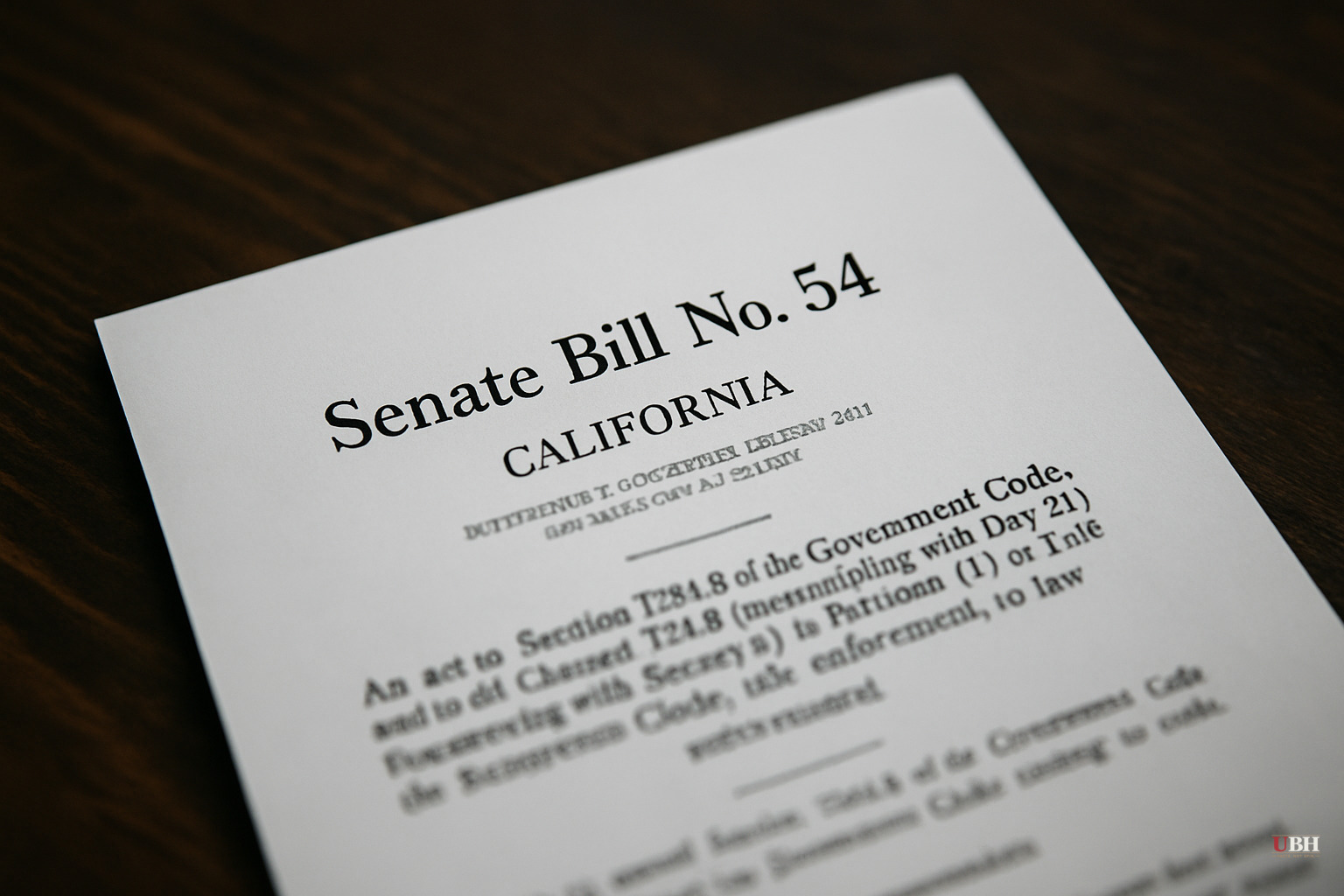
Police declined. California's sanctuary statute, Senate Bill 54, creates legal risk for local law enforcement that coordinates too closely with federal immigration authorities, according to the Washington Examiner's reporting on the incident.
So the children stayed put, unvisited by local officers, while lawyers sorted out what the law allowed.
The Lawsuit
The America First Policy Institute filed suit against California Attorney General Rob Bonta on behalf of the City of El Cajon. The organization called the situation a "legal and moral emergency" in its filing.
Former acting Homeland Security Secretary Chad Wolf, testifying before the Senate, framed it bluntly: "Some on the Left will not stop until we have become a Sanctuary Nation — largely free from all border security and immigration enforcement."
The legal argument centers on the Constitution's supremacy clause: when state law conflicts with federal immigration enforcement authority, federal law wins. That argument has clear legal footing. Courts have consistently held that immigration policy is a federal domain.
The Strongest Case for SB 54
Defenders of California's sanctuary law argue it exists for a reason. When local police become a de facto arm of federal immigration enforcement, immigrant communities stop reporting crimes, stop cooperating with investigations, and stop seeking medical help. That silence protects criminals more than it protects immigrants. Police chiefs in major California cities have made this argument for years, and it isn't frivolous.
SB 54 supporters would also note that the federal government has tools to conduct its own welfare checks. ICE and Health and Human Services are not powerless here. The El Cajon situation, from this view, reflects a federal coordination failure as much as a state obstruction.
But the specific question remains: 50 children in potentially unsafe conditions went unchecked because of a legal technicality. Whatever the broader policy rationale, those are real children, not a hypothetical.
The Congressional Fight Over Pregnant Migrant Minors
Running parallel to the El Cajon dispute is a separate controversy over how the federal government is treating unaccompanied migrant children in its own custody.
According to LAist and KUT News, whose investigation published May 5, 2026, the Trump administration is detaining pregnant migrant girls in a single group home in South Texas — a region where doctors and reproductive-health experts say prenatal care is severely limited.
Nine California House Democrats, along with 39 other House members, signed a letter to Trump administration officials raising concerns that these minors are not receiving adequate medical care. Former Rep. Gil Cisneros, who previously represented a district in the greater Los Angeles area, was cited in reporting connected to these concerns, which specifically flagged the risk to high-risk pregnancies, which are common among minors.
The letter argues the detention arrangement violates federal regulations, which entitle unaccompanied children in federal custody to "the full range of medical care, including reproductive health care."
No federal investigation has been announced in response to the letter, and no charges have been filed against any official. The allegations in the congressional letter are, as of June 13, 2026, unproven claims in a political document. They are drawn from an underlying journalism investigation by LAist and KUT News that involved named doctors and reproductive-health experts.
Two Problems, Not One
These two stories are distinct but they share an uncomfortable common thread: when immigration politics gets hot, children lose.
In El Cajon, a state sanctuary law meant to protect immigrant communities from federal overreach ended up blocking a straightforward wellness check on vulnerable kids. The America First Policy Institute's lawsuit against Rob Bonta will test whether California's policy goes too far when child safety is directly at stake.
In South Texas, the federal government is accused of warehousing pregnant minors in a location with inadequate obstetric infrastructure. If the LAist investigation's findings hold up, that's a federal failure, not a California one.
Fox News covered the El Cajon angle and framed it squarely as a sanctuary-law failure. The outlet did not address the parallel federal custody story. LAist, conversely, reported the federal custody angle without engaging the El Cajon situation. Neither story is wrong in what it covered. Both are incomplete by omission.
What's Next
The America First Policy Institute's lawsuit against Attorney General Bonta is the most concrete legal development as of June 13, 2026. If the court finds that SB 54 cannot lawfully override child welfare checks flagged by federal authorities, it would set a precedent limiting California's sanctuary protections in emergency situations and potentially affect similar laws in other states. The case outcome will determine whether El Cajon stays an isolated incident or becomes the controlling precedent.
Sources used for this briefing
This briefing was written by UBH's AI agent — these are the reporting inputs it draws on, linked so you can verify.