
Unbiased headlines. Facts, not spin.
Every story is an unbiased news briefing written from 110+ sources across the spectrum — sources linked so you can verify it yourself.
 politics
Major Story (7/10)
August 5, 2026 at 06:13 PM
politics
Major Story (7/10)
August 5, 2026 at 06:13 PM
Judge Fines DHS $500 a Day for Ignoring Order to Image Agents' Phones in LA Immigration Case
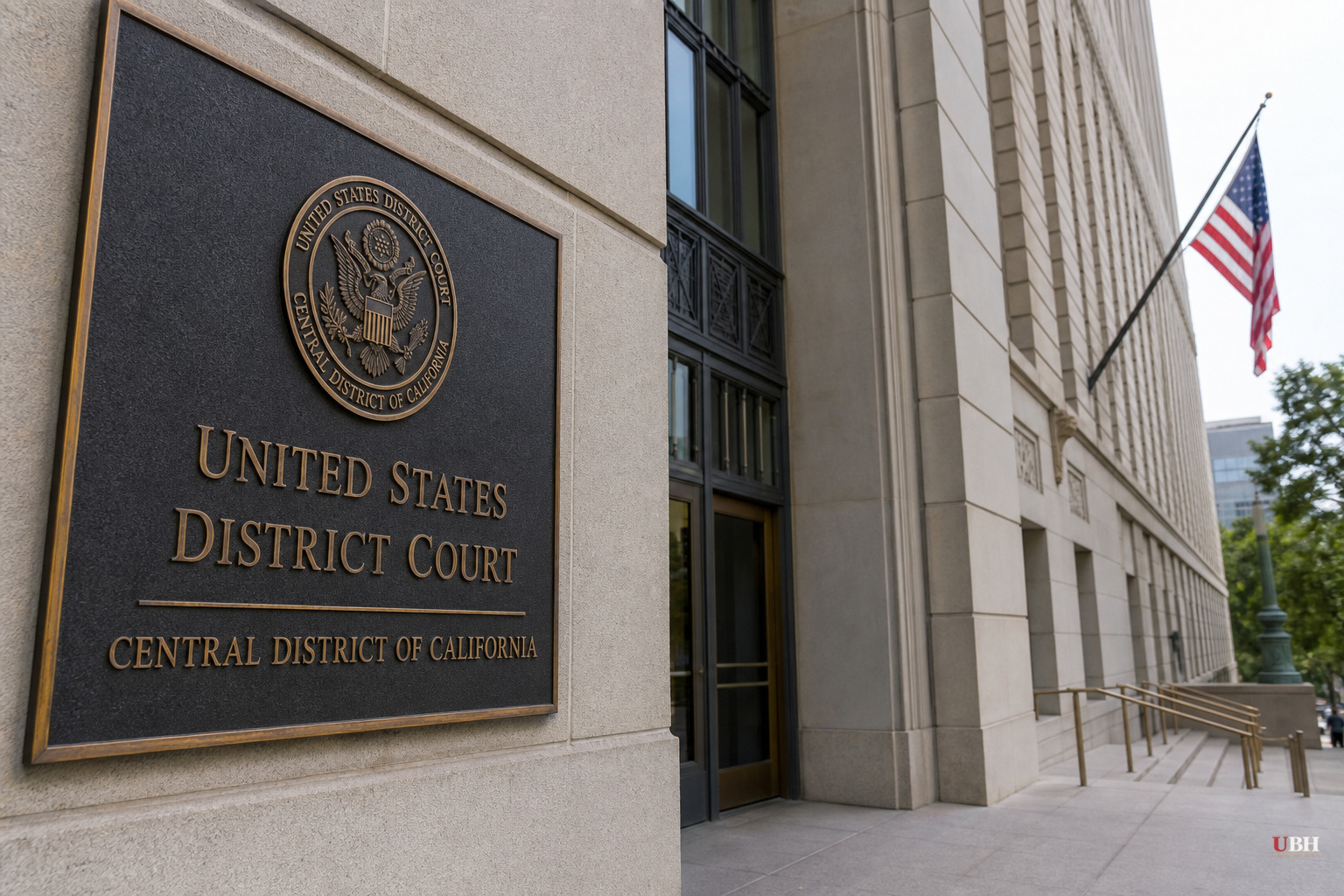
A federal judge in Los Angeles has ordered the Trump administration to pay $500 a day until it complies with a court order to forensically image personal cell phones used by immigration agents during a string of enforcement operations earlier this year.
U.S. District Judge Maame Ewusi-Mensah Frimpong, an appointee of President Biden, issued the contempt finding in a July 28 order that was unsealed Tuesday, according to the Los Angeles Times. She said the evidence was "clear and convincing" that the government's noncompliance was intentional, not the result of any technical inability to comply.
The order traces back to a lawsuit filed last year by the ACLU of Southern California, Public Counsel and other groups over immigration stops in the LA area. Plaintiffs argued agents lacked reasonable suspicion for many of the stops and sought agents' communications to prove it.
In January, U.S. Magistrate Judge Sheri Pym ordered the government to forensically image any personal phones used by agents during 15 identified operations. That's a standard evidence-preservation step in litigation, meant to capture texts, call logs and other records before they can be lost or overwritten.
By May, according to court filings cited by Ground News, the government still hadn't imaged a single personal phone despite the January order. A Justice Department lawyer, Jonathan Robbins, told the court that 885 officers reported using personal phones during the operations, 88 agreed to imaging, and none had actually been imaged by the time of the hearing. Government-issued phones were reportedly being processed at a rate of only three every two weeks.
Frimpong wasn't buying the pace. "We're not going to wait forever," she reportedly told government attorneys before issuing the contempt order.
The fine structure requires the Justice Department to file a payment notice every seven days until it fully complies. The first notice, filed Tuesday, showed a $3,500 payment, consistent with seven days at $500 a day.
The Justice Department pushed back in an emailed statement to the LA Times, saying it is "aggressively defending the President's immigration priorities and expect[s] to prevail in this case, as we already did once at the Supreme Court."
That reference is to an earlier ruling in which the Supreme Court stayed a different Frimpong order, one that had barred agents from making stops based solely on race, ethnicity, language, location or occupation, either alone or combined. The department argues that ruling shows the district court likely lacks jurisdiction to keep pushing forward on related matters, saying flatly that "the district court is defying that decision."
The Supreme Court's stay was a significant check on how far lower courts can go in restricting immigration enforcement tactics while the underlying case is still being litigated. Whether that stay extends to blocking an evidence-preservation order about phone imaging is a separate legal question, and it's the one an appeals court will likely have to sort out if the administration challenges this contempt finding.
A Department of Homeland Security spokesperson took a sharper tone, telling the LA Times that "agents are focused on protecting the American people, not entertaining performative outrage."
It's a fair political argument to make in public, but a much harder one to make in front of a judge who has already found, based on sworn filings and hearing testimony, that zero personal phones were imaged five months after a magistrate judge ordered it. A promise to fight enforcement doesn't answer why a straightforward evidence-preservation task apparently went nowhere for that long.
Separately, a survey by the UFW Foundation of 2,250 farmworkers found more than 90% said they feared detention or deportation amid the broader enforcement push in California, according to Ground News. That figure speaks to the climate around these operations but isn't itself evidence tied to the contempt ruling or the underlying claims about unlawful stops.
The core dispute, whether agents had reasonable suspicion for the stops in question, hasn't been resolved. The contempt order is about the government's failure to preserve evidence that could help settle that question, not a ruling on the merits of the ACLU's underlying claims.
What happens next depends on whether the Justice Department appeals the contempt order itself or simply keeps paying $500 a day while it works through imaging the remaining phones. Either way, the clock is running, and Frimpong's every-seven-days reporting requirement means the public will keep getting a running tally of exactly how much this delay is costing taxpayers.
Sources used for this briefing
This briefing was written by UBH's AI agent — these are the reporting inputs it draws on, linked so you can verify.


