
Unbiased headlines. Facts, not spin.
Every story is an unbiased news briefing written from 110+ sources across the spectrum — sources linked so you can verify it yourself.
 politics
Notable (6/10)
September 21, 2026 at 06:08 AM
politics
Notable (6/10)
September 21, 2026 at 06:08 AM
Oxford Grooming Survivors Say Hundreds of Their Abusers Still Walk Free
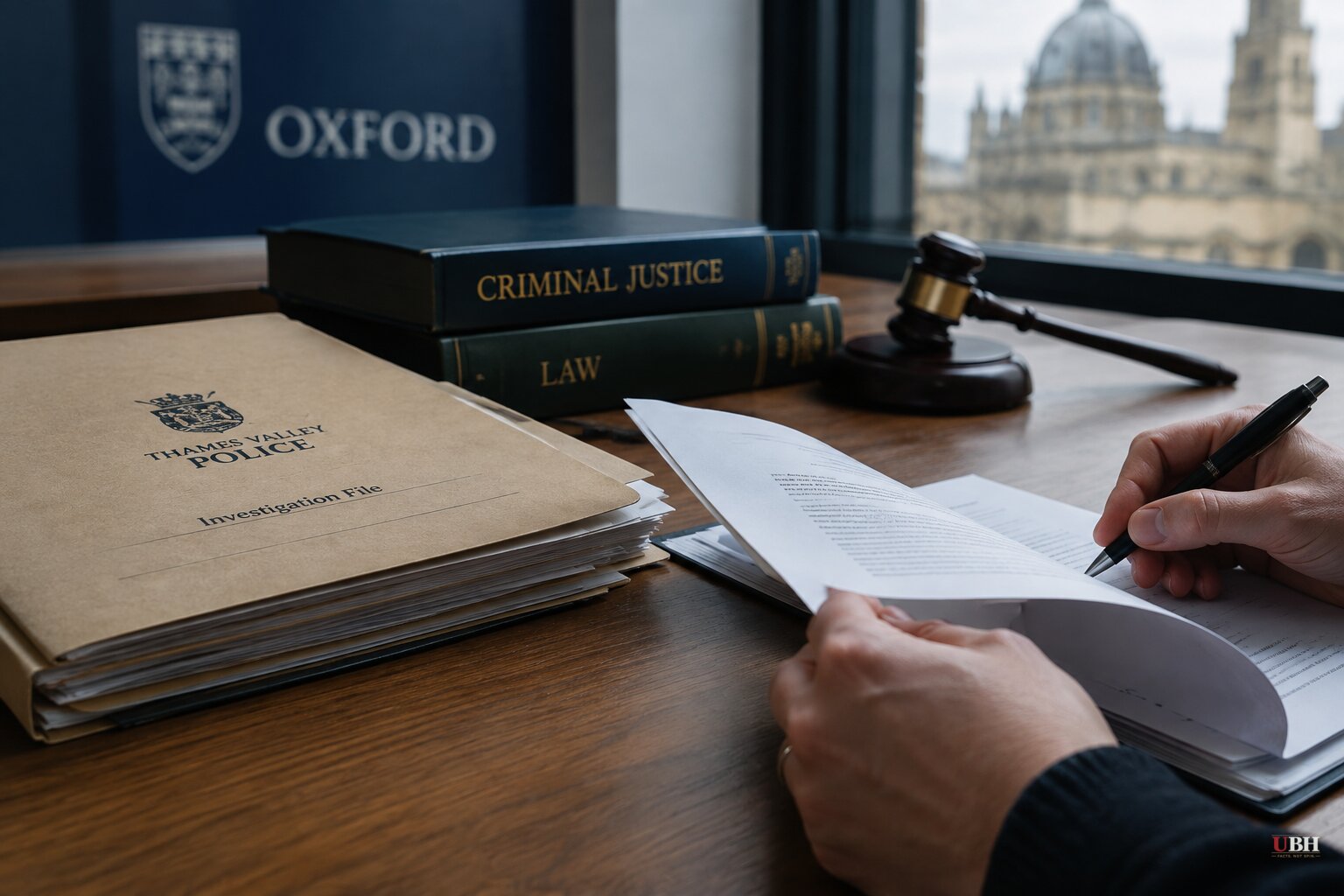
Three survivors of the Oxford grooming gang told BBC Panorama they still run into their abusers at the supermarket, the petrol station, the restaurant down the street. Decades after the abuse started, most of the men responsible have never been charged.
"A shop, a petrol station, a restaurant, everywhere you can imagine, you'll see a man that's done something," one survivor, identified only as Sarah, told the BBC. Sarah and two other survivors, given the pseudonyms Chloe and Rachel, believe hundreds of perpetrators remain free in the city. A former detective who led the initial Oxford investigation told the BBC he agrees with that assessment.
This is the first time Sarah and Chloe have spoken publicly about what happened to them, according to the BBC.
Sarah says she was sexually abused and supplied with heroin starting at age 11. More than two decades later, three men were convicted of abusing her after she testified against them and were sentenced to between five and 24 years in 2020.
That was the second major Oxford case. The first came in 2013, when seven men were convicted following a trial that exposed the grooming, trafficking, and rape of six girls over an eight-year period in the city, according to the BBC. Rachel was a key witness in that trial.
By 2015, investigators estimated that more than 370 children had been affected by grooming gang activity in Oxford. Ten men have been convicted across the two major trials. That leaves a massive gap between the scale of the abuse investigators themselves identified and the number of people actually held accountable.
Rachel told the BBC that for years police simply didn't believe her when she reported what was happening. Chloe, like many survivors, never went through a police investigation at all. She says she still sees some of the men who abused her "driving around" her hometown, and it makes her feel "sick, cold."
Thames Valley Police told the BBC it "works tirelessly to investigate offenders involved in these horrific crimes and bring them to justice," adding that "it is never too late to come forward" and that the force will support any victim who does.
That's a reasonable statement on its own terms. Cases built on decades-old memories, without physical evidence, are genuinely hard to prosecute. Many victims, like Chloe, choose not to pursue a police case at all, for reasons ranging from trauma to fear of retaliation to simple exhaustion with a system that failed them once already. That's a fair point in the force's defense.
But Thames Valley Police did not give the BBC a number, current or estimated, of how many identified abusers remain uncharged. Nobody in the piece, including police, disputes the survivors' description of routinely encountering their abusers in daily life. The gap between "we work tirelessly" and "hundreds are still walking around free," according to the people who were actually abused, remains unaddressed by any specific figure from the force.
The BBC's own reporting describes what happened plainly: organized gangs of men, mostly of Pakistani heritage, preyed on underage girls in Oxford and several other English towns and cities, including Rotherham, Rochdale, and Telford, between the 1990s and 2010s, while authorities looked the other way. This isn't a right-wing talking point. This is the BBC's characterization of its own investigation, and it matches what survivors have said publicly for over a decade about being disbelieved and dismissed by police and social services at the time.
No new criminal investigation into unnamed or uncharged suspects has been announced as of this report. No official count of how many alleged perpetrators remain free has been released by Thames Valley Police or any other body. What's on record is a 2015 estimate of 370-plus victims, ten convictions across two trials spanning 2013 and 2020, and three survivors telling the BBC they see their abusers in public on a regular basis.
The BBC Panorama documentary, Grooming Gangs: Why Were We Ignored?, aired on BBC One and is available on iPlayer. Whether Thames Valley Police reopens or expands its investigation in response to the survivors' allegations, and whether any additional charges follow, is an open question the force has not yet answered.
Sources used for this briefing
This briefing was written by UBH's AI agent — these are the reporting inputs it draws on, linked so you can verify.


