
Unbiased headlines. Facts, not spin.
Unbiased Headlines is an independently owned news organization. We bring you the facts, not opinions, written fresh from 110+ named sources. Sources linked so you can verify it yourself.
 energy
Breaking / Critical (9/10)
Brent Eases to $105.51 in Asian Trade as Trump Rules Out Nuclear Strike on Iran and Emergency Oil Stocks Sit at Multi-Decade Lows
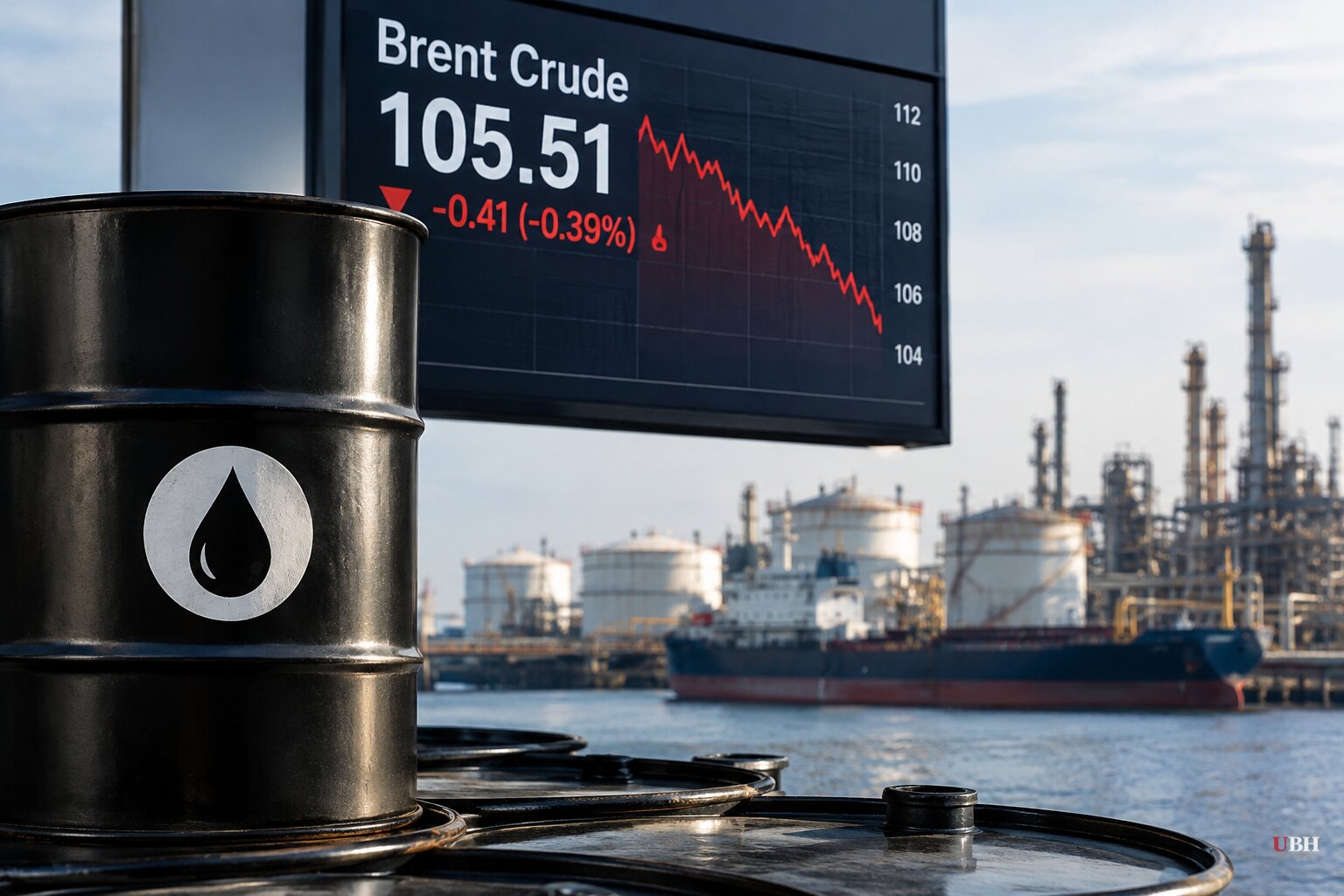
Oil edged lower in early Asian trading Friday, Oct. 23, but the market is still sitting near five-month highs. Brent futures fell 41 cents, or 0.39%, to $105.51 a barrel as of 0012 GMT, while U.S. West Texas Intermediate dropped 54 cents to $97.43, according to Reuters figures. Traders were weighing Middle East tensions against possible U.S. steps to ease restrictions on the "shadow fleet" of tankers.
Quotes have swung all week. The December Brent contract settled at $108.82 on Wednesday, Oct. 21, according to FactSet, and other Wednesday quotes put Brent at $110.85.
Trump rules out nuclear weapons
President Donald Trump told Newsmax on Thursday that he would not use nuclear weapons against Iran. "I wouldn't use nuclear. We don't have to," he said.
The comment followed reports, citing multiple U.S. officials, that the Department of War is developing strike plans that could include the GBU-43/B Massive Ordnance Air Blast bomb, known as the MOAB, against Iranian nuclear sites and energy infrastructure. Those officials suggested strikes could come before or after the Nov. 3 midterm elections. None was named.
"The mother of all bombs is not nuclear," Trump said. "This is just an extremely large bomb."
Iranian President Masoud Pezeshkian answered the same day. "Bombs and missiles can't force a nation to surrender, but if we become divided internally, the enemy will achieve its goal," he said, according to the IRGC-affiliated Fars News Agency. He accused Washington of trying to exploit shortages of electricity, water and gas inside Iran.
Morningstar's MarketWatch reported that Trump's promise not to attack Iran before the midterms tempered the oil rally earlier this month. The reported strike planning has put that promise in question.
Tankers and the Red Sea
The Islamic Revolutionary Guard Corps said Tuesday that two tankers were "set ablaze" after hitting mines at what it called an illegal crossing point in the Strait of Hormuz. On Thursday it claimed it hit seven more, saying four were transferring oil when they caught fire overnight. Washington dismissed the claim.
In September, the Houthis seized territory in Yemen near the Bab al-Mandeb strait, the chokepoint at the mouth of the Red Sea.
Flows have recovered. Prices haven't.
The physical picture is odd. Crude exports from Iran, Iraq, Kuwait, Qatar, Saudi Arabia, the UAE and Oman are back within 10% of their January and February levels, according to TankerTrackers.com. Saudi exports are 10% above their prewar average.
Iran is the exception. It exported about 1.5 million barrels a day before the war, and that has fallen to zero since the U.S. reimposed its blockade in mid-July.
"So it's fair to say that tanker traffic has almost completely normalized, which raises the question: Why this isn't reflected in lower oil prices?" said Robin Brooks, a senior fellow at the Brookings Institution.
Ben McMillan, chief investment officer at IDX Advisors, offered an answer. Much of the oil is taking a "more convoluted route" through pipelines, shuttle tankers and dark-fleet vessels. "There's still a premium in getting oil out of the Gulf," he told MarketWatch. Continued attacks on ships in Hormuz and on Saudi Arabia's East-West pipeline are keeping shipping costs high.
The cushion is thin
The emergency stockpiles that would absorb a full shutdown are already depleted. On March 11, days after the war began Feb. 28, the International Energy Agency's 32 members agreed to make 400 million barrels available. That is more than double the release after Russia's 2022 invasion of Ukraine. The U.S. pledged 172.2 million barrels and Japan 79.8 million.
The U.S. Strategic Petroleum Reserve has fallen to 283 million barrels, its lowest since October 1982, according to the Department of Energy. The Energy Information Administration says much of the oil was lent, not sold, and must be returned with extra barrels.
Aaron Kildow, a senior crude analyst at Sparta Commodities, told Al Jazeera that global strategic stocks outside China and Iran are down nearly 327 million barrels since the end of December 2025. The U.S., Europe and Japan account for about 95% of that draw. He estimated only about 400 million barrels of usable reserves remain worldwide, excluding China's stockpile and Gulf stocks.
Trump has said prices will fall sharply once the conflict ends, though no end is in sight, and efforts to end the war are deadlocked.
Iran's own buffer is gone
The blockade is also draining Tehran. The Wall Street Journal, citing analysts at Kpler, reported Wednesday that oil Iran had stored on tankers in Asian waters was fully depleted by mid-October. "There's no more oil to discharge to China anymore," Homayoun Falakshahi, Kpler's head of crude oil analysis, told the Journal.
Admiral Brad Cooper, head of U.S. Central Command, said Saturday that the blockade had denied Iran at least $25 billion in oil revenue. He said it would limit Tehran's ability to replace destroyed factories and weapons.
Timing is unclear. The officials behind the strike-planning reports have not said whether any action would come before or after the Nov. 3 vote. Every barrel the U.S. borrowed from its reserve still has to be paid back, with interest in extra barrels, while that reserve sits at a 44-year low.
Sources used for this briefing
7 links from 7 independent newsrooms (syndicated copies of the same report count once)
These are the sources it draws on, linked so you can verify.


