
Unbiased headlines. Facts, not spin.
Unbiased Headlines is an independently owned news organization. We bring you the facts, not opinions, written fresh from 110+ named sources. Sources linked so you can verify it yourself.
 energy
Breaking / Critical (9/10)
Brent Crude Hits $113, a Five-Month High, After Houthi Strikes in Saudi Arabia and a U.S. Order for Staff to Leave
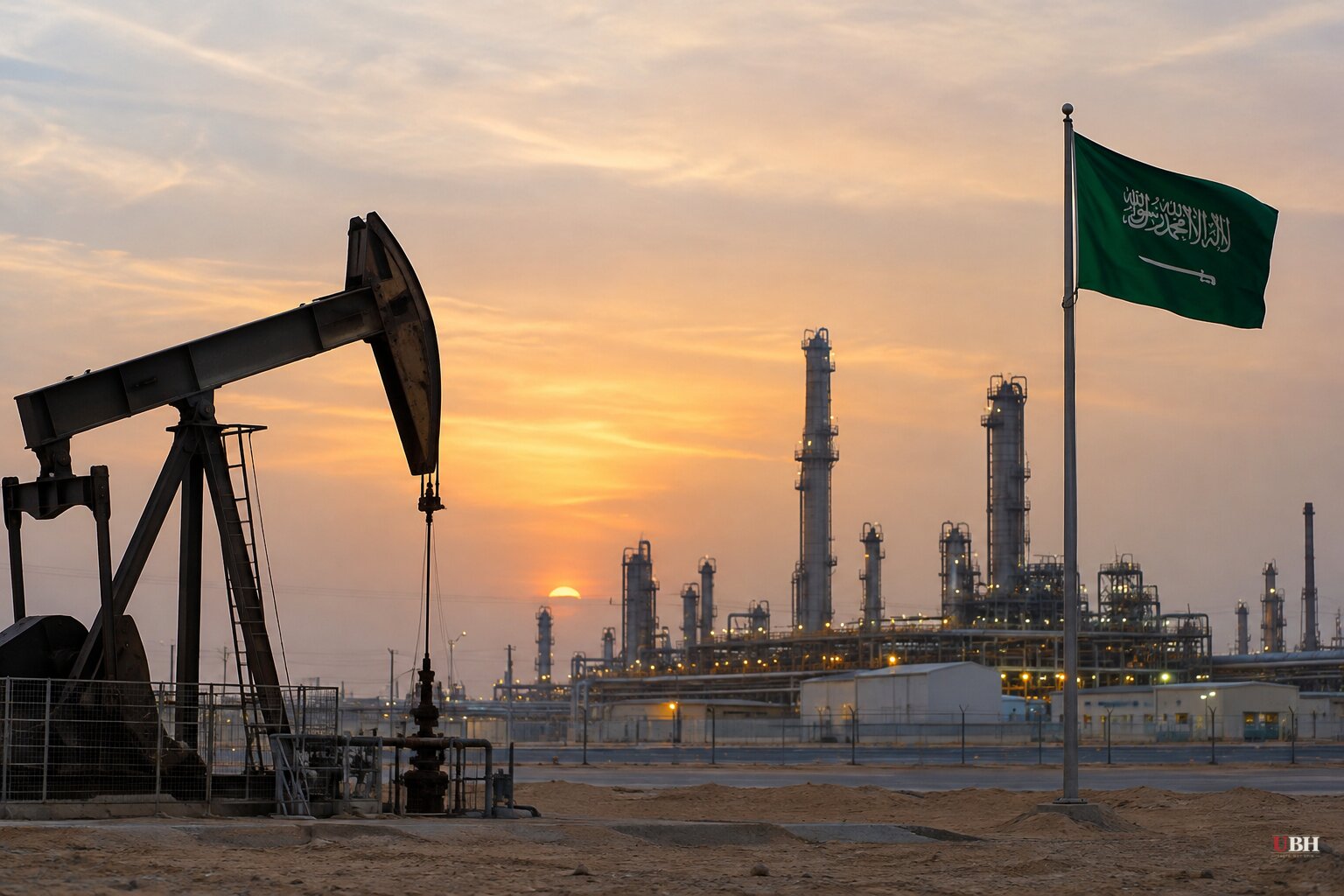
Since the war on Iran began in late February, oil has swung from a $126 peak in April to a $71 low in early July. On Thursday morning, Oct. 22, Brent crude futures hit $113.40 a barrel, the highest level since May 5. US West Texas Intermediate topped $100 briefly before trading near $99.88.
Brent was up roughly 3% to 4% in morning trading. That is more than 50% above where it stood on Feb. 27, the day before the war began, according to the Epoch Times' tally of market data.
Saudi Arabia becomes the new pressure point
The trigger was Wednesday's attacks by Yemen's Iran-aligned Houthis inside Saudi Arabia. Strikes hit King Fahd International Airport in Dammam, where eight people were wounded and Saudi state media reported two dead. A separate drone attack on a Saudi oilfield killed two more.
State Department spokesman Tommy Pigott said on X that the U.S. has ordered non-emergency government employees and their families to leave Saudi Arabia. He cited the escalating Houthi attacks on civilian targets. Pigott said the order covers only Saudi Arabia and dismissed reports of a wider Gulf directive.
U.S. officials told Reuters something different. They said the State Department plans to withdraw family members from a number of other U.S. missions in the region.
People familiar with the matter also told Reuters that Saudi Aramco has told staff to evacuate its headquarters in Dhahran and work remotely. Aramco facilities were attacked on Oct. 13, when authorities did not say who was responsible. Aramco has not been publicly quoted on the Dhahran move.
Hormuz shipping hits continue
Iran's Revolutionary Guard Corps Navy said four vessels engaged in what it called "illegal" oil transfers in the northern Gulf were hit and caught fire on Wednesday. It said three more vessels struck mines west of the Strait of Hormuz. The IRGC also warned that continued U.S. "provocations" could bring a wider response against American regional bases. Those are the IRGC's claims, and the vessels' owners and flags have not been identified.
Earlier this month, ship strikes in and around Hormuz drew similar attention. On Oct. 11, five ships were damaged, four of them in the strait. On Oct. 13, three container ships were hit and one sank.
According to Kpler data cited by the Guardian, oil exports from the Persian Gulf have risen above prewar levels, helped by more crude moving overland through pipelines to the Red Sea and the Gulf of Oman. Vice President JD Vance said Saturday that gasoline would cost "three times as high" without the Navy keeping oil and gas moving through Hormuz.
Strike timing remains the market's big question
Unnamed U.S. officials told The New York Times that U.S. and Israeli planners have drawn up renewed strike plans for after the Nov. 3 midterms. They described the operation as "short but intensive."
Trump, asked late Wednesday, said the U.S. is not negotiating with Iran. He said "something one way or the other" will "happen fairly soon." He added: "Most people seem to think it's after the election. We're going to see what happens."
ING commodity strategists Warren Patterson and Ewa Manthey wrote Oct. 16 that the market is pricing in a significant risk premium over Hormuz. They said removing it entirely would require some kind of U.S.-Iran agreement.
Who is paying
American Airlines shares fell almost 4% in premarket trading after the carrier warned that high fuel costs would push it into a loss this year. It dropped its earlier forecast. In Asia, Japan's Nikkei 225 fell 2.7%, South Korea's Kospi 3.5% and Hong Kong's Hang Seng 3%. The Stoxx Europe 600 slipped 1%.
At home, AAA put the national average for regular gasoline at $4.30 on Oct. 17, against $3.05 a year earlier. The St. Louis Fed's data shows diesel at $6.17 a gallon as of Oct. 12, up from $3.45 in January.
The U.S. Energy Information Administration said crude stocks fell 3.06 million barrels last week to 412.5 million, versus the 820,000-barrel draw analysts expected in a Reuters poll. Distillate stocks rose 1.68 million barrels to 104.3 million. The Energy Department said Wednesday it will loan up to nearly a third of the 1-million-barrel emergency heating oil reserve to contain prices.
Not everyone sees a crisis. David Wagner of Aptus Capital Advisors told CNBC that "$100 oil today is very different than $100 oil, you know, 20, 30 years ago." He noted that crude remains well below inflation-adjusted historical highs. He also said gasoline took roughly 5% of average disposable income a decade ago and about half that now.
Russia adds a second variable. Putin hosted U.S. envoy Steve Witkoff in St. Petersburg on Wednesday, and the Kremlin said he agreed to resume U.S.-mediated Ukraine talks as soon as next month. Russian supply uncertainty has also been feeding the price.
Whether the Pentagon's reported post-election window holds, and whether the Houthi and Hormuz attacks force a decision before it, are unanswered. Nobody has announced a date.
Sources used for this briefing
7 links from 7 independent newsrooms (syndicated copies of the same report count once)
These are the sources it draws on, linked so you can verify.


