
Unbiased headlines. Facts, not spin.
Unbiased Headlines is an independently owned news organization. We bring you the facts, not opinions, written fresh from 110+ named sources. Sources linked so you can verify it yourself.
 energy
Major Story (8/10)
Trump Says Iran Is Faking Hormuz Attacks to Lift Oil Prices Before Midterms; UK Maritime Agency Logged Record October Attacks
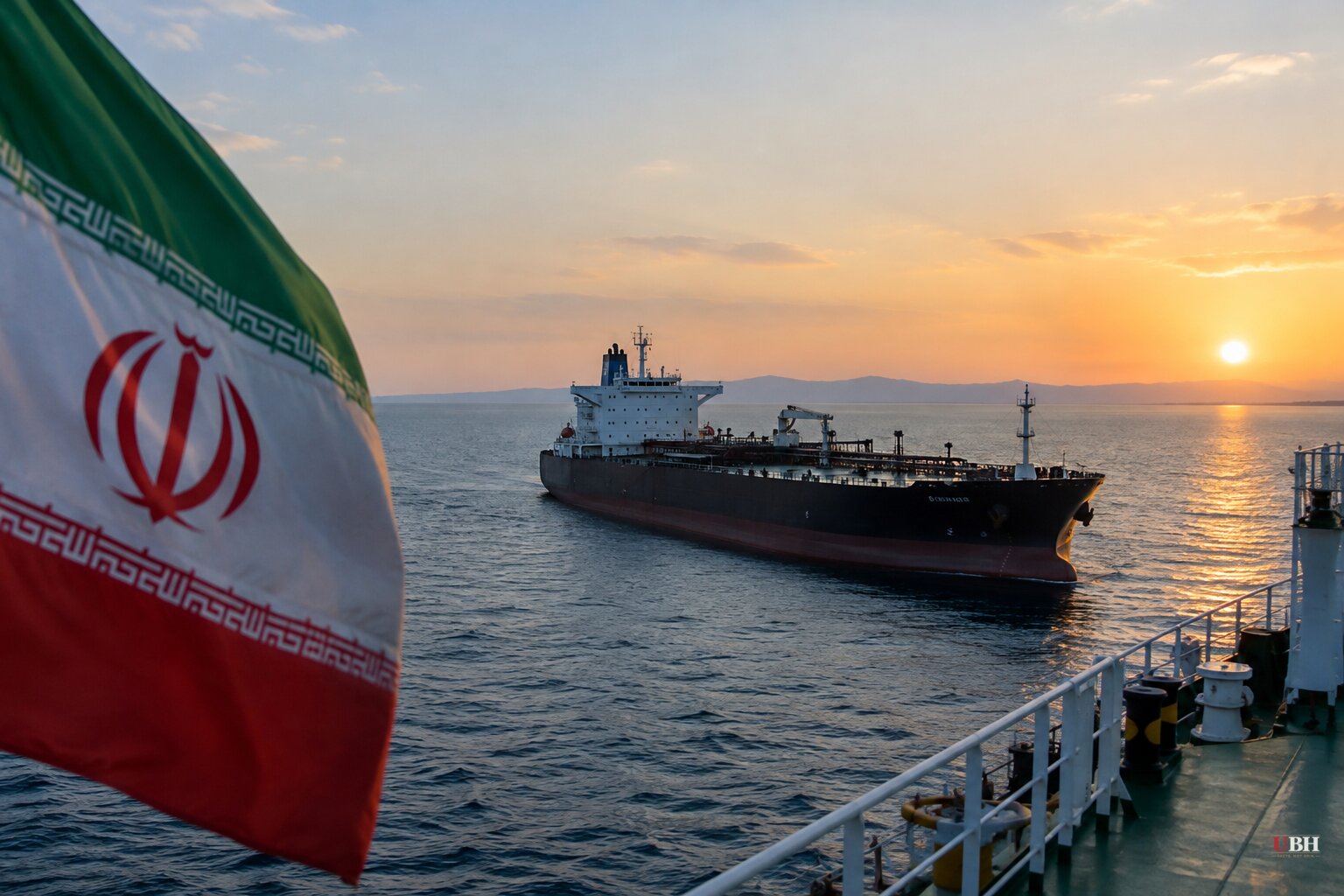
Since the IRGC claimed on Thursday, Oct. 22, that it hit seven vessels in the Gulf and Strait of Hormuz, the fight has moved from the water to the message war. President Trump has now said the attacks are made up.
In a Truth Social post, Trump wrote: "Iran is doing everything they can to drive up the price of Oil prior to the U.S. Midterm Election. They are even making up fake hits, mines, and everything else, because more Oil is coming through the Hormuz Strait now than it did even prior to the beginning of the Conflict."
He also accused Tehran of continuing to kill protesters and "others that happen to be in their way," called Iran "an Evil Regime," and wrote: "IRAN CAN NEVER HAVE A NUCLEAR WEAPON."
The post cites no tanker counts, no dates and no data source.
What the shipping record shows
The UK Maritime Trade Operations agency has recorded more than two dozen attacks on ships in October, a record. It also said a "majority" of the vessels attacked were not reporting incidents.
That does not settle which specific IRGC claims are accurate. The IRGC said its Navy struck four vessels conducting ship-to-ship oil transfers in the northern Persian Gulf, leaving all four burning. It said three more ships hit naval mines west of the Strait overnight. None of that has been independently confirmed.
The IRGC says the four vessels used routes it had declared prohibited. It accused the U.S. military of encouraging vessels to cross mined routes, and warned that further U.S. involvement could bring attacks on American bases in the region.
Traffic: up over a month, down this week
Trump's claim has a factual footing. Strait traffic rebounded sharply over the past month, and the U.S. Navy began escorting tankers out of the Gulf more than a month ago. Throughput, by that measure, climbed back toward and possibly past pre-war levels.
CNN reports the trend has turned. An increase in attacks on tankers and oil infrastructure over the past week has pushed oil and diesel prices higher, and transits through Hormuz and the Bab al-Mandeb strait have fallen sharply after mostly recovering to pre-war levels. Trump's "now" and CNN's "past week" describe different windows, and no one has put a public number on either.
Brent crude rose nearly 3% on the day to about $112, according to Drop Site News.
The midterm math
The political stakes are not subtle. The September consumer price report came in hotter than expected, driven mostly by energy. Gasoline rose 9.1% in the month and ended September more than 34% above a year earlier. Fuel oil rose 15.3% in the month and is up more than 74% over the year, CNN reported from the Labor Department data.
Moody's Analytics estimates the Iran war is costing the average American household $2,000 in additional costs. Services prices rose 0.4% in the month, and economists worry such increases tend to stick.
The administration has been working the price lever for weeks. Beyond the Navy escorts, Trump announced last week a deal to ease some sanctions on Russia to import a relatively small amount of its diesel. Critics call the Russia move controversial.
Houthis widen the target list
The Houthis said Thursday they attacked the Saudi defense ministry, Aramco facilities in Yanbu and Dammam airport. The claims have not been independently verified.
If accurate, the strikes would put Saudi energy infrastructure and the Bab al-Mandeb route under pressure at the same time as Hormuz.
Strike talk in the background
Trump's post landed amid reports that the U.S. and Israel are drawing up plans to hit Iran after the November midterms. Prime Minister Benjamin Netanyahu has said toppling Iran's regime is his "primary objective" following talks in the U.S.
Israeli officials, speaking about Netanyahu's and Defense Minister Israel Katz's warnings, said the rhetoric could spur Tehran into striking first. Iran has reportedly moved artillery and IRGC troops into Kurdish regions near the Iraqi border.
Newsquawk's market analysis frames the Trump post as an effort to talk down the risk premium rather than threaten escalation. It says past presidential pushback on oil rallies has sometimes been followed by supply-side action such as reserve releases, and sometimes by sudden strikes or sanctions. Its watch list: any official confirmation or denial of the alleged fake incidents, tanker traffic data through Hormuz, and any reference to Gulf producers or the strategic reserve.
What to watch
The dispute is checkable. Transit counts, insurer notices and UKMTO incident logs can show whether the IRGC's claimed hits correspond to real damaged ships. Neither the White House nor the IRGC has released that kind of evidence in support of its account. The next signal is whether the administration backs Trump's post with traffic data or policy before the Nov. 3 vote.
Sources used for this briefing
7 links from 7 independent newsrooms (syndicated copies of the same report count once)
These are the sources it draws on, linked so you can verify.


