
Unbiased headlines. Facts, not spin.
Unbiased Headlines is an independently owned news organization. We bring you the facts, not opinions, written fresh from 110+ named sources. Sources linked so you can verify it yourself.
 energy
Major Story (7/10)
Federal judge rules EPA cannot unilaterally dismiss NAACP's Clean Air Act suit against xAI
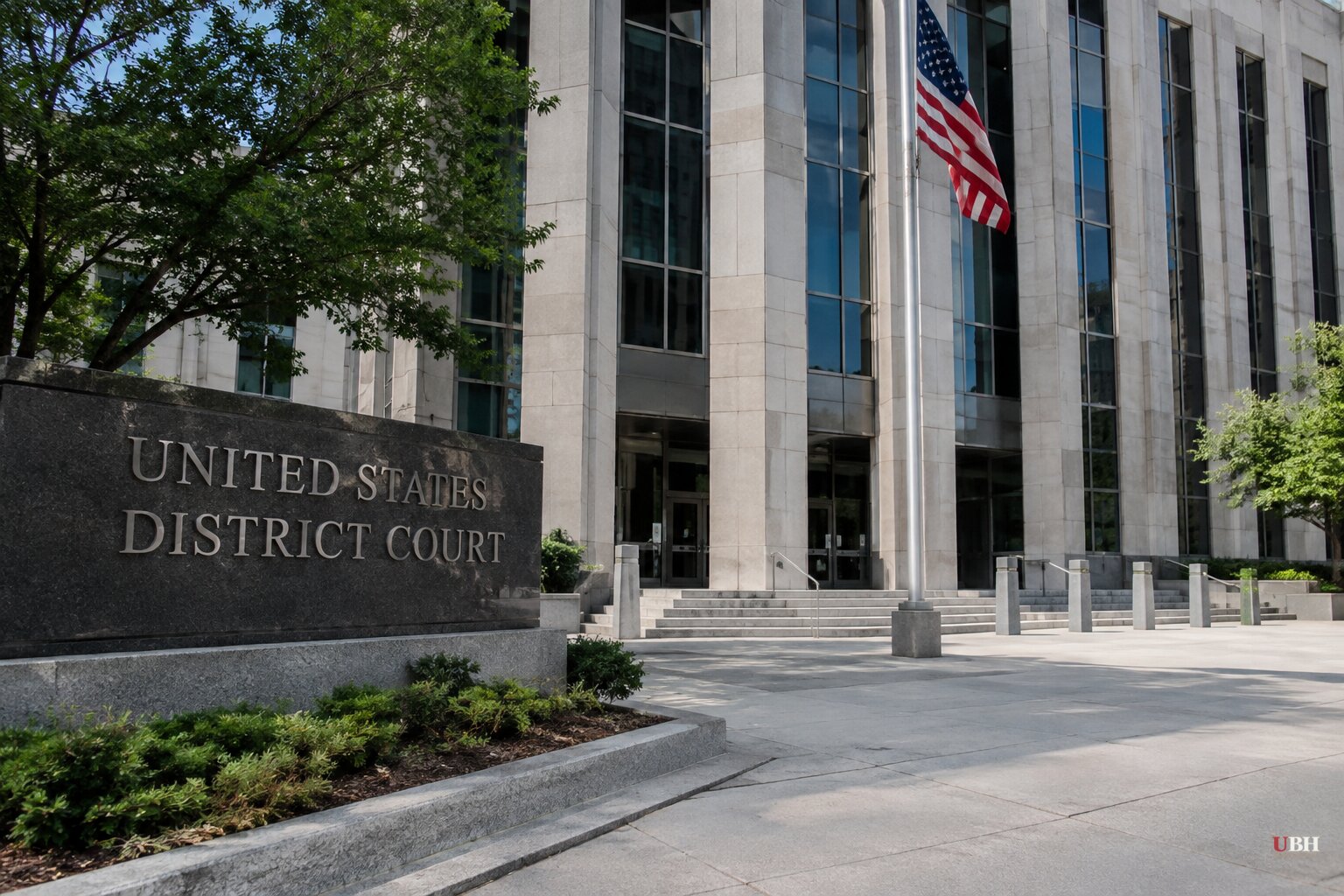
A federal judge has told the Trump administration it cannot kill a citizen lawsuit just by joining it.
U.S. District Judge Debra Brown, sitting in the Northern District of Mississippi, ruled earlier this week that the EPA administrator may intervene in a Clean Air Act citizen suit. Intervening, she found, does not give the administrator a unilateral right to dismiss it. The NAACP's case against Elon Musk's xAI stays alive.
What the case is about
The NAACP and its Mississippi chapter sued xAI and its subsidiary MZX Tech. They allege the companies ran natural-gas turbines without required environmental permits. Earthjustice, which is backing the plaintiffs, says the power plant in question supplies xAI's Colossus 2 data center. Colossus itself is in Memphis, Tennessee, and the suit centers on turbines in Southaven, Mississippi.
The plaintiffs want an injunction requiring the best available pollution control technology. They also seek civil penalties of up to $124,426 per day per violation. The NAACP argues that without those remedies, the turbines risk raising pollution in nearby neighborhoods that are predominantly Black and already burdened.
xAI has been reported to now operate under the name SpaceXAI following a merger.
The government's argument
The Justice Department moved to intervene and dismiss the suit on June 15. In its announcement the next day, the department argued the facility supports economically important AI development and national defense. It also warned the lawsuit could cut off critical power during an energy emergency.
The department also made a direct point on the merits. Mississippi, which administers the state permitting program, had determined that no permit was required. The department's broader legal position was that enforcing federal law belongs to the executive branch, including discretion to decline enforcement in the national interest. Those were the administration's reasons for seeking dismissal. Brown did not adopt them.
Why the judge said no
Brown ruled that "nothing" in the Clean Air Act lets the EPA administrator "unilaterally dismiss a citizen suit."
She rejected the jump from enforcement discretion to control over this particular case. The precedents the government cited involved authorities acting to stop unlawful pollution or to force compliance. Here, the EPA had taken no enforcement action against the company, so those cases did not fit.
She also pointed to the statute's provision letting citizens sue the EPA administrator for failing to enforce the law. That provision, she reasoned, shows Congress expected citizen suits would sometimes diverge from the agency's judgment. Her order also observed that the government's reading would let a president block any Clean Air Act citizen suit, not only those involving AI companies.
The NAACP made the same textual argument. It said there is "no way to read" the citizen-suit provision to suggest Congress "implicitly authorized the government to dismiss those very suits at its whim because it would prefer that the unlawful pollution continue."
Laura Thoms, an enforcement director at Earthjustice, said the administration "has gone out of its way to shield Elon Musk's company" and sought "unilateral and unreviewable veto power over citizen suits."
What the ruling does not decide
The order is narrow. It does not find that xAI broke the law, and it does not order the turbines shut down. Whether the equipment needed permits, and whether operating it violated environmental requirements, remain open questions for the litigation. The ruling resolves only whether the government can end the plaintiffs' case on its own.
The separation-of-powers issue here is straightforward. Citizen suits exist because Congress wrote them into the statute. An executive branch that could veto them at will, whoever sits in the White House, would hold a power the text of the law does not appear to give it. That cuts against the government's position no matter whose data center is involved.
The wider data center fight
The ruling lands as the administration's data center posture keeps shifting. In a Truth Social post this week, President Trump wrote that new and large data centers "are mandated by me to make their own electricity, and give or sell any excess back to the local community, or grid." He also floated paying communities a "dividend." He gave no details on how either requirement would work.
That is a different tone from August, when Trump wrote that the only reason communities should not want data centers is "if they want to end up being backwards and poor."
Local resistance is real. Amazon and Meta have each pledged at least $1 billion to communities hosting their data centers, and many towns and states are still pursuing moratoriums and rolling back tax exemptions. In Memphis, the City Council rejected an 18-month pause on new data center development amid resident concerns.
What comes next
The NAACP case now moves forward in the Northern District of Mississippi. The central question is whether the Southaven turbines needed permits, with the state's no-permit determination on one side and the plaintiffs' allegations on the other. The Justice Department has not said whether it will appeal Brown's ruling.
Sources used for this briefing
7 links from 6 independent newsrooms (syndicated copies of the same report count once)
These are the sources it draws on, linked so you can verify.


