
Unbiased headlines. Facts, not spin.
Unbiased Headlines is an independently owned news organization. We bring you the facts, not opinions, written fresh from 110+ named sources. Sources linked so you can verify it yourself.
 energy
Major Story (8/10)
Novak Says First 40,000-Tonne Russian Diesel Tanker Leaves for U.S. Thursday, Port Not Named
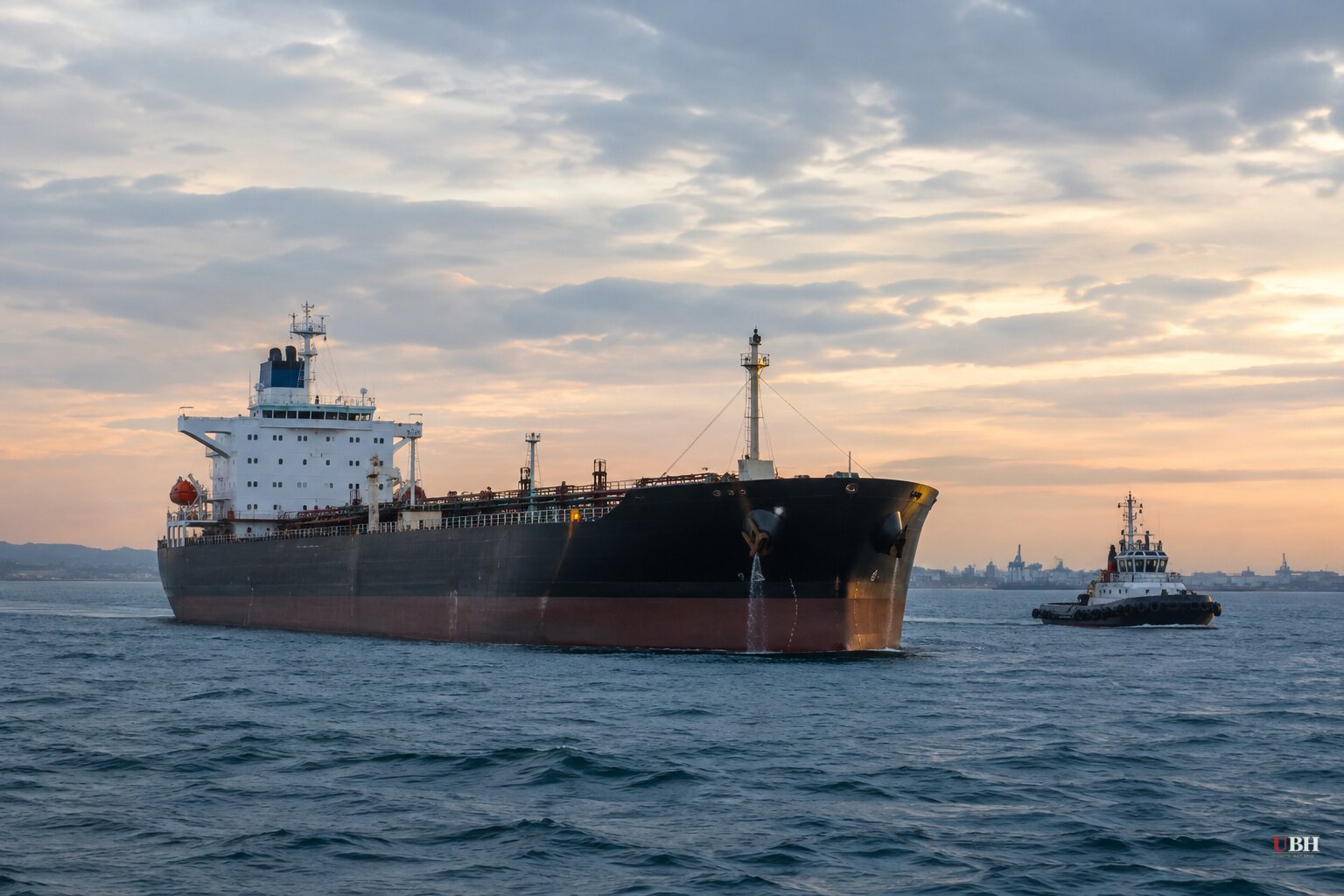
Since Russia lifted its self-imposed diesel export ban on Oct. 9 and Steve Witkoff sat down with Vladimir Putin in St. Petersburg, the deal has produced its first concrete shipment date. Deputy Prime Minister Alexander Novak said Wednesday, Oct. 21, that Russia will dispatch its first diesel tanker to the United States on Thursday, Oct. 22.
The vessel will carry 40,000 metric tons. Novak said the paperwork is nearing completion. He did not say which U.S. port will receive the fuel.
How the shipment compares with the promise
Trump has said Russia would immediately export 300,000 metric tons, which he put at 2.25 million barrels. He said 500,000 tons would follow in November and 1 million tons "immediately thereafter." On Truth Social he also said Russia could supply 3 million tons within a short period, depending on the condition of its refineries.
The first tanker covers roughly 13% of that initial 300,000 tons. At the conversion Trump's own figures use, 40,000 tons is about 300,000 barrels. The U.S. exports about 1.5 million barrels of diesel per day, so even the full 2.25 million barrels is about a day and a half of American export volume.
Novak was careful on volume. "Additional shipments will follow, of course. There were agreements reached between the two leaders. We will meet the United States' needs, to the extent of our capabilities," he said.
Those capabilities are the open question. Russia imposed the export ban to deal with domestic shortages caused by Ukrainian drone strikes on its refineries. Ukraine's Ministry of Defence said earlier this month that the strikes knocked out at least half of Russia's refining capacity and forced cuts at its top diesel-producing plants.
What Putin and Witkoff said
Putin told Witkoff that the first tankers would depart in two to three days. "We are preparing deliveries of several vessels, the tankers, right now. They will go one after another. The financial component should be provided," he said. Neither side has explained what that financial component is or who is supposed to provide it.
Putin also claimed global diesel prices fell 5% to 6% after the agreement. That figure is his, and no independent price data accompanied it. Witkoff thanked Putin on camera for lifting the restrictions. "That's an example of us working together," he said. Putin added that Russia could supply fertilizers to the U.S. market in "large quantities."
The price at the pump
AAA put the national average for a gallon of diesel at $6.31 on Wednesday. A month ago it was $6.51, so prices are drifting down, but they remain well above $6. Just The News, citing AAA, reported $6.32, up from $6.30 a week earlier.
The politics are plain. Midterm elections are less than two weeks away, and diesel drives the cost of freight, farming and food. The administration has a direct interest in visible supply arriving before voters go to the polls. A single 40,000-ton tanker is visible, but it is a small amount of fuel.
Ukraine's objection
Kyiv opposes the arrangement. Ukrainian officials argue that renewed Russian fuel exports bring Moscow revenue it can put toward the war. President Volodymyr Zelensky has criticized the deal and warned that letting Russia expand fuel exports while fighting continues weakens pressure on the Kremlin to end the conflict. Reuters reported that the diesel deal led to a sharp deterioration in U.S.-Ukraine ties.
The administration's argument is about supply and price. Trump has framed the agreement as a way to ease a global diesel shortage and bring down costs, and the Russian side has tied the deal to an effort to curb attacks on energy infrastructure. Europe is also short of diesel because of disruptions to Middle Eastern exports.
The legal footing is not clear from Russian statements, which describe only Moscow lifting its own export ban. Just The News reported that the agreement lifts sanctions against Russia. Neither the Russian officials quoted nor the other accounts of the deal detail any U.S. sanctions relief, and no U.S. agency has published terms.
What to watch
The first test is Thursday's departure. The destination port, the buyer, and the payment mechanism Putin called "the financial component" have not been disclosed. The next marker is the 500,000 tons Trump says Russia will deliver in November, with the 1 million tons to follow.
Sources used for this briefing
8 links from 8 independent newsrooms (syndicated copies of the same report count once)
These are the sources it draws on, linked so you can verify.


