
Unbiased headlines. Facts, not spin.
Unbiased Headlines is an independently owned news organization. We bring you the facts, not opinions, written fresh from 110+ named sources. Sources linked so you can verify it yourself.
 energy
Major Story (7/10)
Goldman Sachs says Brent could hit $140 in early 2027 if Gulf output stays 5 million barrels a day below February levels
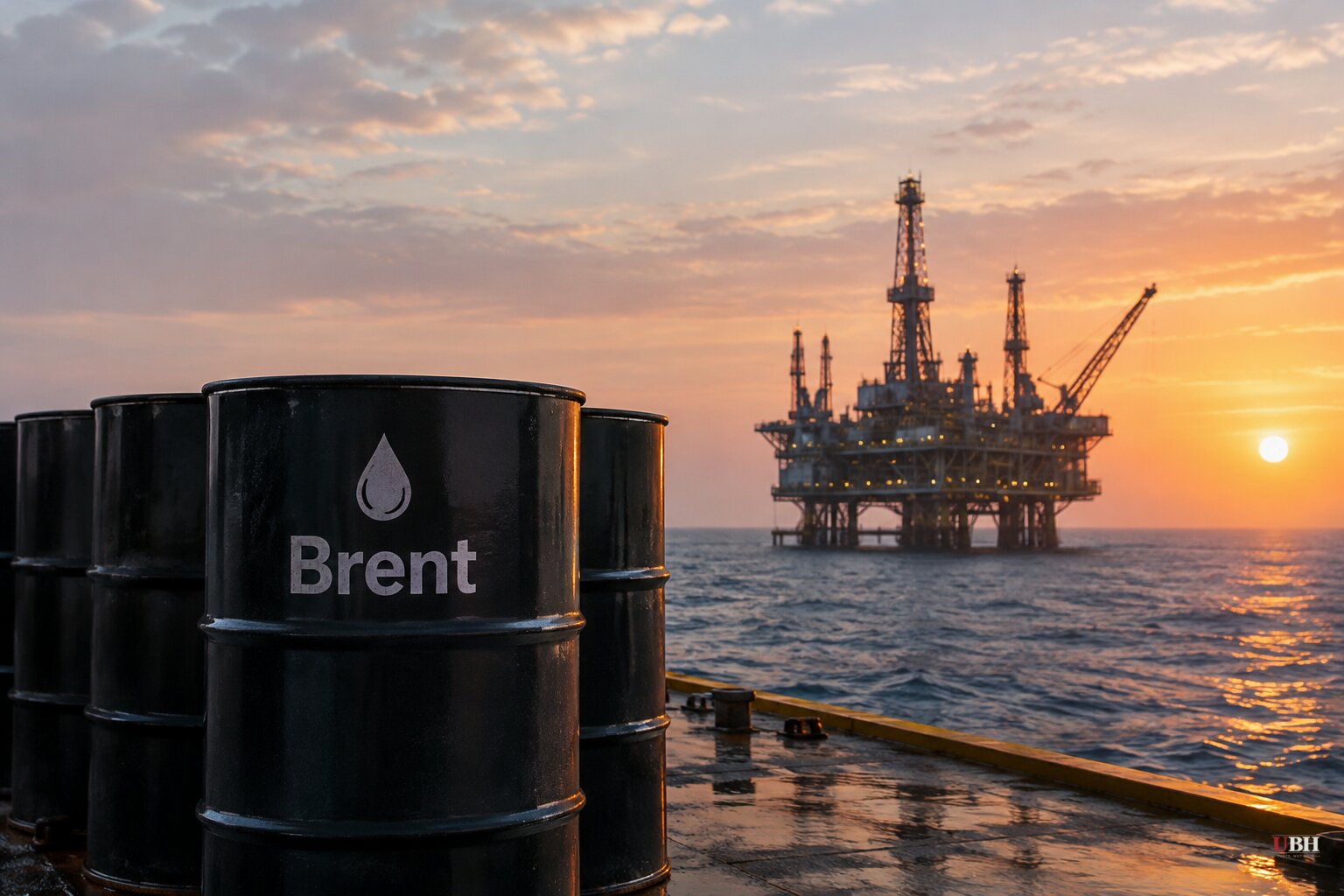
Goldman Sachs's Oct. 20 commodity report lays out a wide range for oil, and the top end is steep.
Goldman's base case is that "a further recovery in Mideast supply and a moderation in the risk premium" pull Brent to $90 a barrel and European gas to €70 per megawatt-hour by the end of 2026. The risk case is different. "Brent might rally to $140 in early 2027 and average around $125/bbl in 2027" if average Gulf output stays 5 million barrels per day below February 2026 levels, the report said.
Where prices sit against the forecast
Brent futures rose $1.61, or 1.5%, to $110.40 a barrel as of 0630 GMT on Oct. 21, according to Reuters market data. West Texas Intermediate gained $1.45 to $99.27. Reuters attributed the move to escalating Middle East tensions and falling U.S. crude and fuel inventories.
That leaves Brent well above Goldman's $90 year-end base case. In an Oct. 12 update, Goldman put the geopolitical risk premium embedded in crude prices at "slightly above $20" a barrel and raised its December 2026 Brent forecast to $90 from $85. It left its 2027 average at $80.
So the base case depends on that premium eroding. The bank's stated conditions are further recovery in Middle East supply and a smaller risk premium.
The scenarios on either side
Goldman's 2027 range is wide. In the Oct. 12 update, the bank said Brent could fall into the $60s next year if average Gulf output rises 1 million barrels a day above February 2026 levels. It named "a faster recovery in Mideast output and/or a faster erosion of the risk premium" as the likeliest triggers for downside.
On the other side, it cited intensified attacks on shipping in the Strait of Hormuz and damage to energy infrastructure. It said risks to its forecasts remain tilted toward higher prices, particularly in the near term.
The $140 figure is a conditional scenario, not Goldman's forecast. It rests on the 5 million barrel-a-day shortfall persisting.
Gas, grain and the weather
For Europe, Goldman said gas could reach €150 per megawatt-hour by the end of 2026 if Persian Gulf LNG exports stay depressed and the winter runs substantially colder than average.
The report also says energy has become more tightly tied to financial markets since the Iran war began. Over the past six months, daily Brent moves have had a correlation of nearly minus 0.5 with the S&P 500. Their correlation with changes in the 10-year Treasury yield has averaged nearly 0.6.
Farm markets face their own pressure. Goldman said the agriculture component of the Bloomberg Commodity Index is up 19% year over year. It pointed to the Iran and Russia-Ukraine conflicts, possible food-export restrictions, and disrupted fertilizer shipments through Hormuz and grain exports through the Black Sea.
The bank also said a strengthening El Niño has a greater than 81% probability of reaching "super" El Niño conditions. It warned that could bring droughts and floods across key agricultural regions.
Metals
The report is not all about supply risk. Goldman expects gold to reach $5,400 an ounce by the end of 2027, citing central-bank purchases and diversification. It forecasts copper averaging $15,400 a tonne in 2027, with demand from electrification, data centers and artificial intelligence meeting constrained mine supply.
The Bloomberg Commodity Index has returned 36% year to date, ahead of both equities and bonds, the report said.
What to watch
Goldman's own framework turns on one number: how much Gulf crude is flowing relative to February 2026. A 1 million barrel-a-day gain points to the $60s next year. A 5 million barrel-a-day shortfall points to $125 on average and $140 at the peak. Brent at $110 sits between the bank's $90 year-end call and its stress case, with the winter gas season and Hormuz shipping security still to play out.
Sources used for this briefing
7 links from 7 independent newsrooms (syndicated copies of the same report count once)
These are the sources it draws on, linked so you can verify.


