
Unbiased headlines. Facts, not spin.
Unbiased Headlines is an independently owned news organization. We bring you the facts, not opinions, written fresh from 110+ named sources. Sources linked so you can verify it yourself.
 energy
Breaking / Critical (9/10)
Event date: October 18, 2026 ·
Araghchi Says Hormuz Stays Closed Until US Accepts Iran's Terms; Rezaei Says No Enriched Uranium Leaves Iran
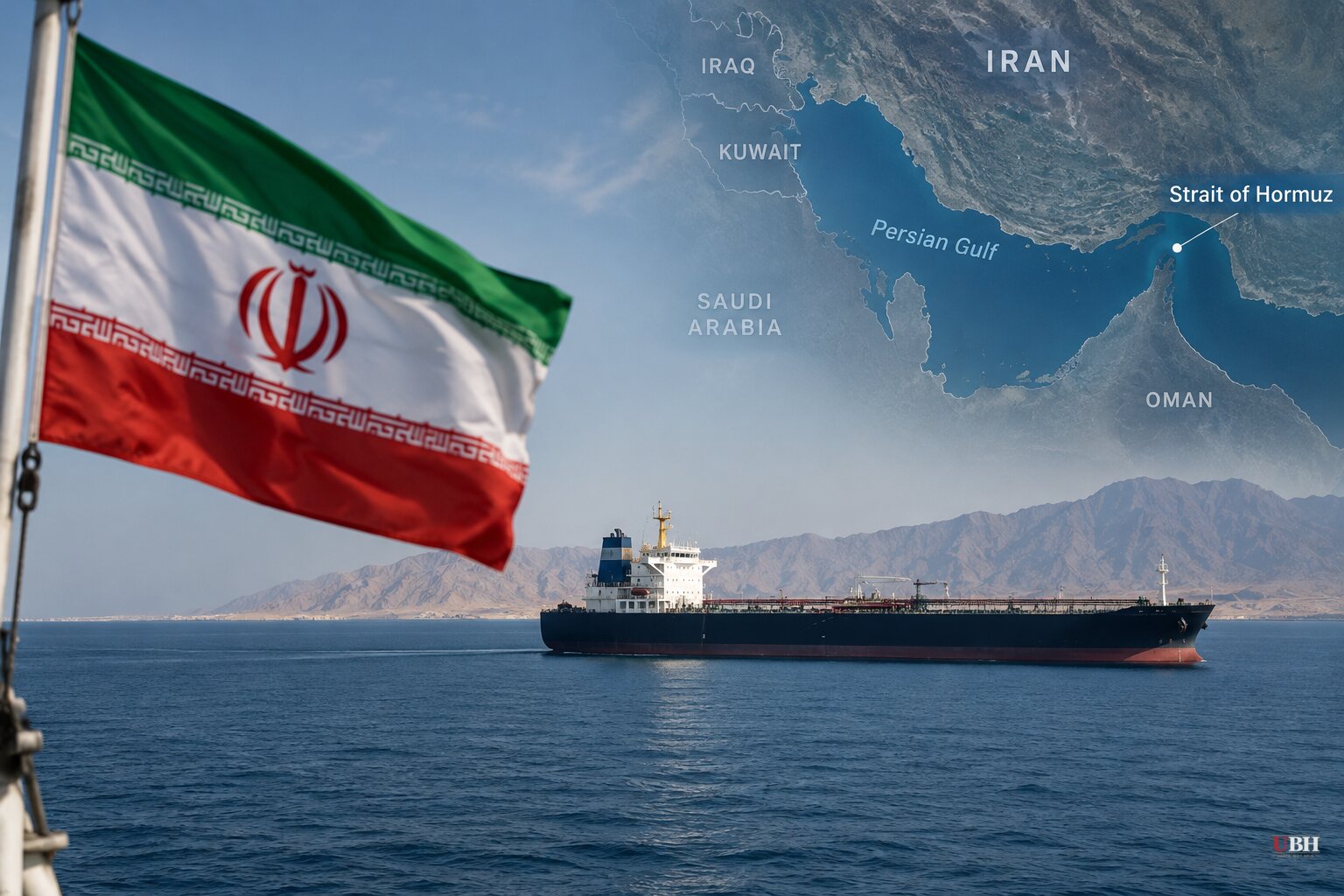
Since Iran submitted its seven-day Hormuz proposal in mid-September, after an interim ceasefire collapsed, the strait has stayed shut and the two sides have traded positions through intermediaries. Tuesday, Oct. 20 added two hard-line statements from Tehran.
Araghchi: closed until conditions are accepted
Foreign Minister Abbas Araghchi told Iraq's Al-Ikhbariya network that the strait will remain closed to shipping until the United States accepts Iran's terms. Iranian state broadcaster IRIB relayed the interview.
"The American side must accept our conditions to open the strait to ships and vessels," Araghchi said. "Before such an understanding or agreement is reached, the strait will naturally be closed."
He said Washington must first honor the commitments in the Islamabad Memorandum of Understanding, signed earlier, before Iran will negotiate other issues. The memorandum's text is not laid out in any of the statements.
Araghchi said indirect talks continue through Pakistan and Qatar. By his account, the plan would reopen the waterway fully on the sixth day, with further negotiating rounds toward a final deal after that. He also claimed Washington had agreed to the conditions but wanted additional provisions.
That conflicts with what he said Sunday in Baghdad, where he told Iranian media the U.S. had sent comments Iran was reviewing and accused Washington of lacking "honesty." Last week Iran's security chief called the U.S. response insufficient because it did not address all seven Iranian conditions.
Rezaei: not a gram
Rezaei, secretary of the Supreme National Security Council, met Pakistani Army Chief Field Marshal Asim Munir in Tehran. He then wrote on X: "Not a single gram of enriched uranium will be removed from Iran."
He called the material a "major asset and national wealth" and said there would be no negotiations until Washington takes trust-building steps, starting with "full fulfillment of all Iran's conditions."
Iran's list of demands includes lifting the U.S. blockade of its ports, removing sanctions on its oil exports and ending hostilities on all regional fronts. Tehran wants talks to start with Hormuz and maritime security.
Washington wants the nuclear file on the table from the start. Vice President JD Vance said earlier this month that Iran must make a meaningful cut to its enrichment capacity to end the eight-month war. Iranian Foreign Ministry spokesman Esmaeil Baghaei said Oct. 4 that Iran has not entered nuclear discussions with Washington, and denied it had offered U.N. inspections in exchange for sanctions relief.
The U.S. squeeze
Treasury Secretary Scott Bessent says the blockade is working. He said Iran would have no oil on the water and no oil revenue this week, "for the first time in history," and put the tally of barrels moved through the strait at "U.S. about 1.1 billion, Iran zero." Treasury has also added sanctions on Iran's automotive and rail industries and their foreign suppliers under what the administration calls Operation Economic Outcast.
Bessent's figures are the administration's own and have not been independently confirmed. U.S. Central Command said Sept. 30 that it had redirected 125 commercial vessels heading to or from Iran.
Rezaei has described the economic situation as among the most difficult the country has faced, according to a report on a high-level government meeting.
Iran's parliament speaker, Mohammad Bagher Ghalibaf, said Oct. 4 that the strait will not open until the terms of the summer memorandum are met. He said the U.S. is deliberately sending contradictory messages.
Ships and oil
The maritime threat is escalating. Phillip Belcher, marine director at Intertanko, said attack frequency is rising, and with it damage to engine rooms. Jakob Larsen, chief safety and security officer at BIMCO, said strikes on engine rooms and bridges maximize damage while keeping oil-spill risk relatively low. He warned of significant crew-injury risk.
The IRGC is increasingly hitting engine rooms, according to Bloomberg's reporting. Strikes cause fires and knock out power and propulsion, and vessels can be sidelined for months.
Brent crude futures reached $111.99 earlier in Tuesday's session, a five-month high, then settled at $108.79, down 76 cents or 0.69%. The expiring November WTI contract settled at $101.79, down $1.87 or 1.8%. Reuters reported that traders were weighing the Munir-Rezaei meeting and continued Houthi attacks on Saudi infrastructure.
Regional spillover
Turkey submitted the Mecca Joint Defense Agreement with Saudi Arabia and Pakistan to parliament for ratification Tuesday, Reuters reported. Under its main clause, an armed attack on one signatory is treated as an attack on all.
Araghchi denied any Iranian role in Red Sea developments, saying they "have nothing to do with us." He said neither Saudi Arabia nor the Houthis had answered Iran's offer to mediate. He added that any Egyptian intervention in Yemen would "further complicate the situation."
Al Jazeera reported that Iraqi Prime Minister Ali al-Zaidi ordered the indefinite closure of the Sheeb border crossing with Iran.
The central dispute is still unresolved: Iran wants Hormuz first and the nuclear file later, while Washington wants the enrichment question addressed at the outset. With Rezaei ruling out any uranium leaving the country and Araghchi saying the strait stays shut until his terms are met, neither side has publicly moved off that sequencing.
Sources used for this briefing
7 links from 7 independent newsrooms (syndicated copies of the same report count once)
These are the sources it draws on, linked so you can verify.


