
Unbiased headlines. Facts, not spin.
Unbiased Headlines is an independently owned news organization. We bring you the facts, not opinions, written fresh from 110+ named sources. Sources linked so you can verify it yourself.
 energy
Major Story (8/10)
Event date: October 19, 2026 ·
Ukrainian drone strikes cut Russian diesel exports by more than 75% as Trump blames Kyiv for fuel prices
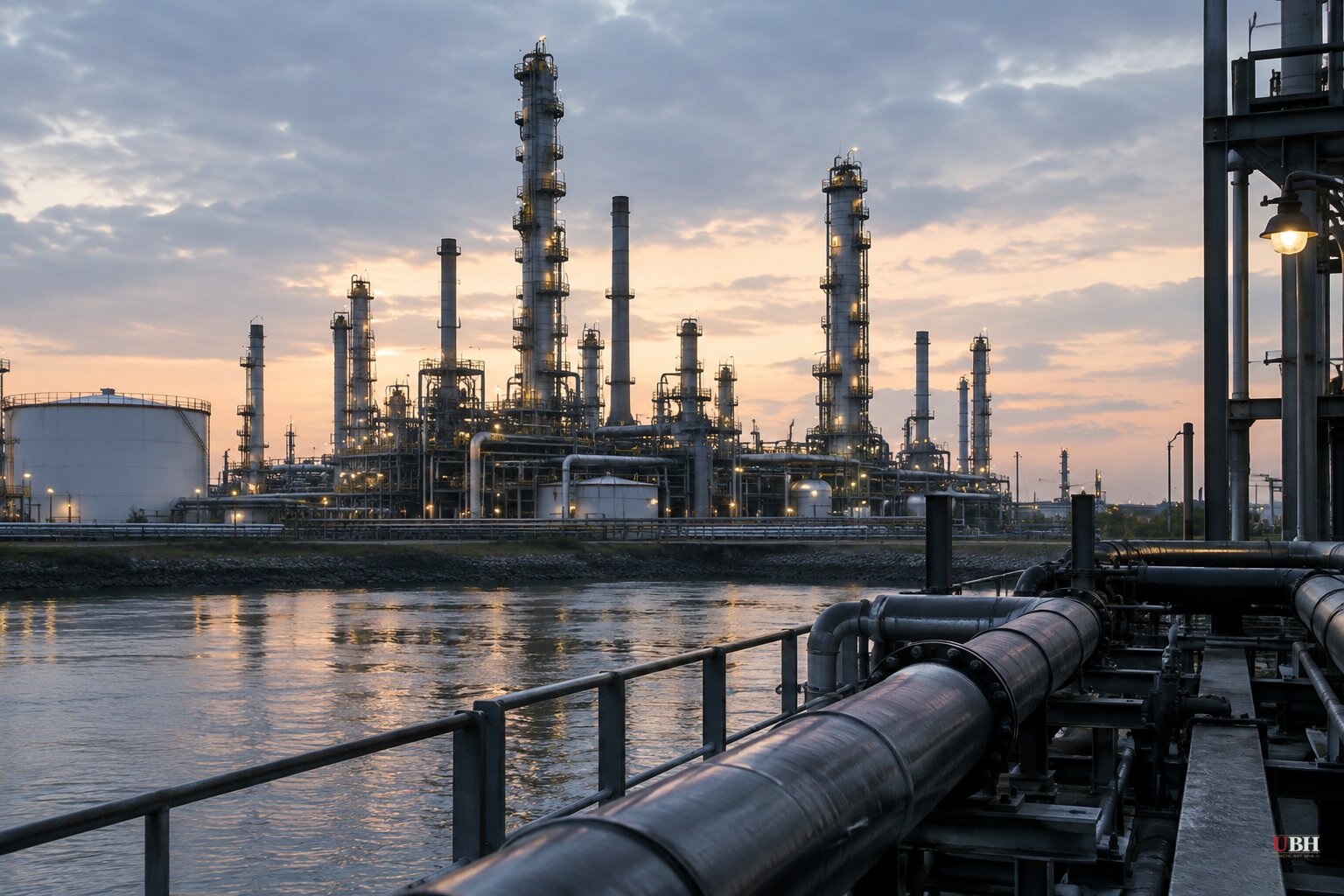
Ukraine's drone campaign has cut Russia's diesel exports by more than 75%, and it is now at the center of an open fight between Kyiv and the White House.
Russia was the world's second-largest diesel supplier, behind the U.S. Exports fell to 141,000 barrels per day in September from 608,000 in the same period last year, according to data from the commodities firm Kpler.
The strikes
More than 1,000 Ukrainian drones targeted Russia on Sunday, Oct. 18, according to state media reports, in one of the largest attacks this year. The strikes set ablaze an oil export terminal in St. Petersburg, Russia's second-largest city and Vladimir Putin's hometown. Moscow said an oil refinery was set ablaze and one person was killed. State media called it the largest attack on the city since the start of the war in 2022.
The tempo has climbed all year. Rochan Consulting, a Warsaw-based open-source intelligence firm, counted 31 strikes on Russian refineries and related oil infrastructure in July, up from 11 in January.
The targets have changed too. A Washington Post analysis of satellite imagery found at least two-thirds of the 36 major Russian refineries tracked by S&P Global Energy were hit between April 1 and Aug. 31, some as many as five times. Of 54 strikes the Post analyzed with three refinery experts, more than half appeared to damage desalting and distillation units, the core of the refining process.
Tatiana Mitrova of Columbia University's Center on Global Energy Policy says that matters because a destroyed fuel tank takes a couple of weeks to fix, while a secondary refining unit needs supply chains outside Russia. "You cannot just order it on Alibaba," she said. A Moscow-area refinery hit June 16 was still offline in September, per Kpler.
Inside Russia, the Post reports the worst fuel crisis since the Soviet collapse. Gasoline and diesel prices are up about 20% since the beginning of the year, and major gas companies are limiting how much fuel customers can buy.
Trump's diesel deal
Moscow banned diesel exports in July to protect its domestic supply. It partially resumed shipments this month to fulfill a deal with Trump. Under it, Russia would supply the global market with about 75,000 barrels per day in October and 124,000 in November.
Mitrova calls those volumes "a rounding error" against total demand.
Matt Smith, director of commodity research at Kpler, says the arrangement is likely dead in the water. "It seems unlikely that they'll be able to bring the volume of diesel back to the market that they are talking about without an energy ceasefire," he said.
The ceasefire dispute
Trump declared an energy ceasefire between the two countries on Oct. 11. Kyiv says it complied and Moscow did not. Volodymyr Zelensky says Russia violated the truce 76 times and is trying to leave Ukrainians without heat and electricity before winter. Russian strikes have left tens of thousands without power in several regions, and Ukrainian officials reported three deaths.
Kremlin spokesman Dmitry Peskov said Ukraine never stopped hitting refineries. Foreign Minister Sergey Lavrov called the strikes a "direct and crude challenge to President Trump." Neither side's claims could be independently verified.
Ukrainian drones also attacked a refinery in Russia's Ryazan region early on a Thursday, hours after Zelensky declared the truce over. The strike started a fire at the refinery, about 300 kilometers southeast of Moscow, according to Russia's Defense Ministry and Ryazan Gov. Pavel Malkov. Zelensky told the Financial Times, "We're done." He also said Ukraine had been denied usual Western intelligence on Russian ballistic missile launches and had limits placed on its use of Starlink terminals.
Trump has taken the opposite view of who is obstructing peace. On Truth Social on Sunday he wrote that Zelensky "doesnt care" and "probably never did" want to end the war. He added that Zelensky "is using Diesel Refineries in Russia as a target, knowing that these attacks are seriously hurting the world diesel markets, including those in the United States."
There is a real price argument behind that. Nationally, diesel cost $6.32 per gallon on average Tuesday, nearly 75% above the same period last year, according to AAA. But the diesel market was already under pressure from the war with Iran, whose attacks on tankers in the Strait of Hormuz and strikes by Houthi allies on Gulf Arab oil infrastructure have disrupted Middle East fuel exports. Global diesel exports have fallen about 1 million barrels per day due to lost supplies from Russia and the Middle East, Smith said. CNBC reports Trump has blamed Ukraine for diesel prices that are jeopardizing Republicans' election chances with the midterms less than two weeks away.
Zelensky told NBC it would be a "historic mistake" if Washington formally supported Russia. He told Piers Morgan he feels betrayed by Trump's diesel deal, the ceasefire announcement and the Starlink restrictions. He also said he was thankful the U.S. resumed intelligence sharing after a pause. Trump has blocked new sanctions on Russia, according to AFP.
What comes next
Zelensky spoke Sunday with U.S. envoys Steve Witkoff and Jared Kushner, including about Patriot air defense deliveries. The Ukrainian outlet UNN reported Oct. 21 that Witkoff met Putin in St. Petersburg. The Kremlin said Putin will study the proposals Witkoff brought after Witkoff meets Zelensky. UNN also reported that Republican Sen. Thom Tillis said Putin is "playing Trump," and that members of Congress are demanding an investigation into Elon Musk's role in the Starlink restrictions. Those items rest on UNN's account.
The open question is whether either government will accept an energy ceasefire it can verify. Without one, Kpler's Smith expects the diesel volumes Trump promised to stay out of reach.
Sources used for this briefing
7 links from 6 independent newsrooms (syndicated copies of the same report count once)
These are the sources it draws on, linked so you can verify.


