
Unbiased headlines. Facts, not spin.
Unbiased Headlines is an independently owned news organization. We bring you the facts, not opinions, written fresh from 110+ named sources. Sources linked so you can verify it yourself.
 energy
Major Story (7/10)
Event date: October 8, 2026 ·
Treasury Sanctions Panama-Greece Law Firm and Nine Vessels in Latest Iran Shadow Fleet Action
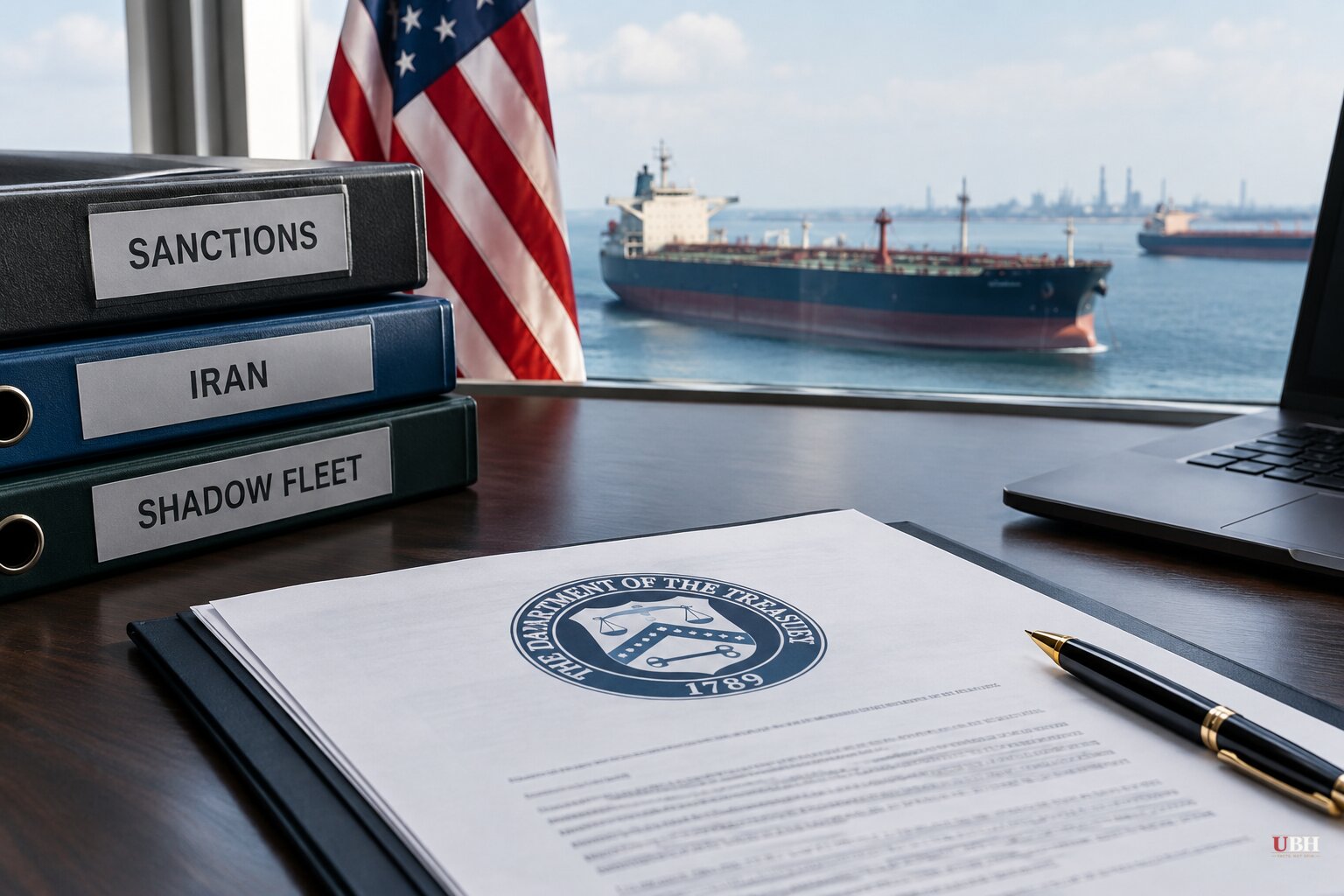
Since Treasury Secretary Scott Bessent launched Operation Economic Outcast on Aug. 24, the sanctions have moved from the tankers themselves toward the people who paper over their ownership. Wednesday's round, announced Oct. 21, follows that path.
The law firm at the center
Treasury sanctioned Karnakis and Karnakis, a law firm operating in Panama and Greece, along with five associated individuals. Treasury alleges the firm spent years setting up shell companies that hid the ownership of vessels hauling Iranian petroleum, petrochemicals and steel.
Treasury says the firm also helped build the corporate network behind Seyed Asadoollah Emamjomeh, an Iranian liquefied petroleum gas magnate whose shipping operations moved hundreds of millions of dollars of Iranian LPG and crude.
The action also hits Roxette Maritime Shipping and Trading S.A., a Panama- and Greece-based company for which the law firm serves as corporate agent. Treasury names Roxette as operator and ship manager of seven Panama-flagged cargo vessels: ANEMOS, GLORIS, PRIDE, DESTINY, FLAMINGO 1, HARMONY and PRINCE. All seven are now blocked property.
Treasury says ANEMOS, GLORIS and PRIDE carried Iranian-origin goods, including petrochemicals and steel, within the past year. Two shipping agencies were also targeted, along with two support vessels that bring the vessel total to nine.
"If you are supporting the Iranian regime, we will find you and sanction you," Bessent said.
These are Treasury's allegations. No court has ruled on them.
Part of a steady drumbeat
On Oct. 8, Treasury's Office of Foreign Assets Control designated 17 shadow fleet ships moving Iranian crude, petroleum and petrochemicals to South and East Asia. Treasury said that action would neutralize the "vast majority" of the remaining fleet. The State Department the same day sanctioned 10 entities, six individuals and five vessels.
Treasury also removed two ships, the Hakuna Matata and the Pinocchio, from its list that day. It said both were sold to non-sanctioned, U.S.-aligned operators.
The oil is gone
The sanctions land on top of a naval blockade that has already choked Iran's exports. Analysts at Kpler say the floating storage Iran kept in Asian waters, which it used to keep cash flowing to Chinese refiners, was fully depleted by mid-October.
"There's no more oil to discharge to China anymore," said Homayoun Falakshahi, Kpler's head of crude-oil analysis.
Kpler data show Iran loaded no crude in September. That is the first month with zero loadings since Kpler began tracking Iranian exports in 2013. The last successful loading was Aug. 25. Oil held outside the blockade zone fell to 10 million barrels from 100 million in July.
U.S. Central Command says the blockade has denied Tehran at least $25 billion in oil revenue. Adm. Brad Cooper, the CENTCOM commander, said U.S. actions have "imposed devastating costs on Iran's security apparatus."
The damage at home is measurable. Kpler's Matt Smith puts Iranian onshore stockpiles near 70 million barrels, close to the pandemic peak. Production is down to about 2 million barrels per day, roughly half the prewar level and just enough for domestic demand.
Iranian government data show the economy shrank at a 10% annual rate from March to June. Inflation hit 90% last month, and the currency has lost a third of its value against the dollar since early July. Falakshahi says oil sales normally supply 30% to 40% of government revenue.
Chinese payments can take about two months to arrive, so Tehran may still see a trickle from past sales in the coming weeks.
Pressure without a deal
The regime is not moving. CNN's analysis notes that Iran has refused any concessions on its nuclear program and that talks on freedom of transit through the Strait of Hormuz have repeatedly stalled.
The Peterson Institute's Adnan Mazarei describes Iranians spending cash the moment they get it because it loses value by the hour. The government prints money to cover its bills, which feeds the inflation.
But CNN argues the regime may be in a stronger position than the numbers suggest. Five decades of living under sanctions taught Tehran how to cope. A brutal crackdown has suppressed public revolt. The high cost of the U.S. operation, in CNN's telling, has made the status quo politically toxic for Washington.
Falakshahi frames the American bet plainly: that the economy either pushes the regime back to the table on a nuclear deal or sparks internal protests it struggles to contain. Neither has happened in more than six months of blockade.
Oil from the rest of the Gulf is moving. Flows through Hormuz have recovered to prewar levels with U.S. protection.
A competing pressure on the tanker market
Washington is also weighing a step that cuts the other way. A U.S. official told Reuters the administration is evaluating permits that would let previously sanctioned shadow fleet tankers carry non-sanctioned oil and petroleum products, with Treasury authorization required.
Energy Secretary Chris Wright said in a video address to the World Petroleum Congress in Riyadh that the proposal is under review to curb spiraling freight rates, according to the research firm Energy Aspects. Charter rates on some routes south of Iran have jumped more than tenfold since the war began. Energy Aspects says record shipping costs have depressed global demand for U.S. crude.
The official stressed the plan would not lift sanctions on Iranian or Russian oil. It would only authorize specific cargoes.
No decision has been announced. Treasury has not said whether any permits will be issued, or how it would keep authorized cargoes separate from the Iranian barrels the blockade is meant to stop.
Sources used for this briefing
6 links from 6 independent newsrooms (syndicated copies of the same report count once)
These are the sources it draws on, linked so you can verify.


