
Unbiased headlines. Facts, not spin.
Unbiased Headlines is an independently owned news organization. We bring you the facts, not opinions, written fresh from 110+ named sources. Sources linked so you can verify it yourself.
 energy
Major Story (8/10)
Event date: October 9, 2026 ·
Saudi Aviation Authority Confirms One Dead, Eight Hurt at Dammam Airport; Drone Debris Killed Two at Aramco Field
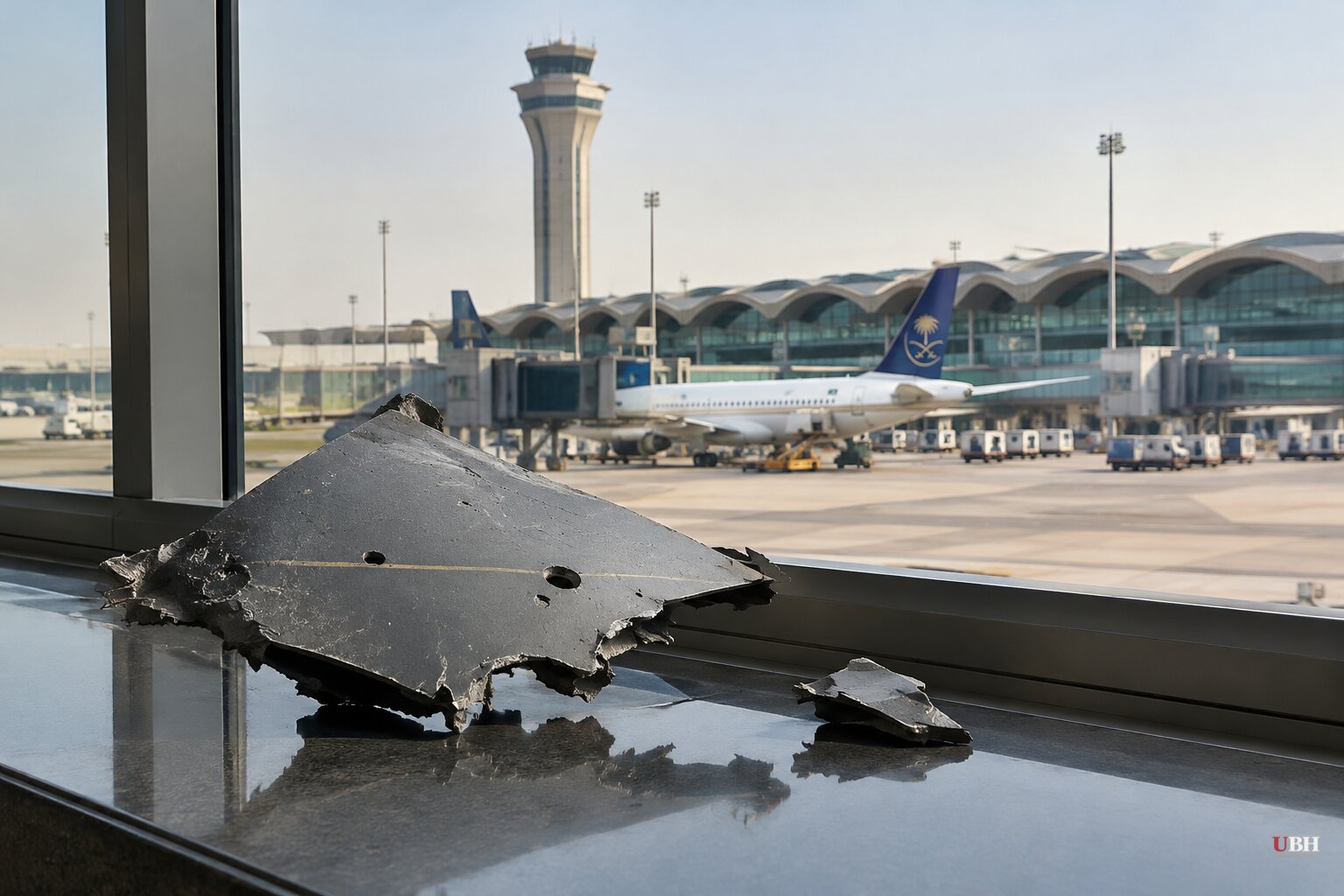
Since early October, Saudi Arabia has been hit by almost daily fire aimed mainly at airports and oil infrastructure. The latest confirmation, issued Thursday morning, Oct. 22, widens that picture to the Gulf coast.
The Saudi Civil Aviation Authority said a Saudi resident was killed and eight people were injured in Wednesday evening's attack on King Fahd International Airport in Dammam, in eastern Saudi Arabia near Bahrain and Qatar. The airport suffered material damage. Flight-tracking service Flightradar24 showed several flights diverted.
Who fired is still unstated
Saudi authorities have not said who launched the attack. The Houthis have neither claimed responsibility nor commented. The Saudi-led coalition said only that it intercepted four drones in the eastern region.
That silence differs from earlier strikes. The Houthis claimed attacks on the airports in Riyadh and Abha and on an Aramco refinery. Their military spokesman, Brig. Gen. Yahya Saree, urged airlines and travelers worldwide to avoid Saudi airports, which he called "not safe."
The Aramco field
Shortly before the airport attack, debris from an intercepted drone killed two people and injured two others at an oil field operated by Aramco. Other reports identify the site as the Shaybah field, also in the Eastern Province, and say the dead were workers from Nepal and the Philippines. Those reports say operations at the field were not affected, and that no group has claimed responsibility.
With the airport death, the two incidents add up to three dead in the Eastern Province in one evening.
How the campaign got here
Clashes between Riyadh-backed government forces and the Houthis resumed in July after years of calm. Since Yemen's civil war reignited, the United Nations says, more than 200,000 people have been displaced inside Yemen.
On Saturday, Oct. 10, an attack on King Khalid International Airport in Riyadh left 12 people dead and more than 300 injured, with airport operations temporarily suspended. Saudi Arabia has opened an investigation into how that barrage of missiles and drones got past its air defenses. A later incident, a terminal fire, caused no casualties.
The Riyadh airport's closure was extended after the strikes, and airlines across Europe and Asia suspended service. The Federal Aviation Administration advised U.S. airlines on Oct. 11 to exercise caution when flying to or over Saudi Arabia.
Saudi Arabia has also reinforced security around state-run Aramco oil infrastructure near Riyadh after repeated strikes on critical assets.
The two sides' accounts
The Saudi-led coalition blames the Houthis for the strikes on civilian targets. In a post on X, it said the attacks "will not go unpunished." It says it has answered with strikes on 82 military targets, including missile facilities, command centers, communications systems and Houthi gathering sites, and has destroyed a ballistic missile launch platform.
The Houthis frame it differently. Saree has warned workers at all Saudi oil facilities to avoid sites that could be targeted. He has said any strike on targets in the Yemeni capital, Sanaa, "will be met with a harsh and painful response" in Riyadh.
The ground war is also contested. Yemen's government says its counter-offensive has pushed Houthi fighters out of strategic areas on the Red Sea and the port city of Mocha. The Houthis say they are holding their territory. Military sources on both sides told AFP they had seen no major changes on the ground, and claims from the warring parties have been impossible to verify independently.
The wider stakes
The fighting lands on top of the Iran war. With the Strait of Hormuz closed, the Red Sea had become an alternative route for Saudi oil tankers. The fighting between the Houthis and Saudi Arabia has made that route more dangerous.
The United States has asked some diplomats and the families of American government employees to leave Saudi Arabia, amid fears of an escalation of the conflict.
What is unresolved is attribution. Saudi authorities have not named the party behind the Dammam strike, and the Houthis have not claimed it or commented. Another claim or an official Saudi statement is the next marker. Announcements from Saudi aviation authorities on airspace restrictions, and any response from the FAA or the European Union Aviation Safety Agency, would show how the risk to Saudi airspace is being weighed.
Sources used for this briefing
7 links from 7 independent newsrooms (syndicated copies of the same report count once)
These are the sources it draws on, linked so you can verify.


