
Unbiased headlines. Facts, not spin.
Unbiased Headlines is an independently owned news organization. We bring you the facts, not opinions, written fresh from 110+ named sources. Sources linked so you can verify it yourself.
 energy
Major Story (7/10)
Event date: October 20, 2026 ·
Virginia Tech Study: Upper Colorado Basin Lost Nearly Twice the Groundwater of the Lower Basin in 2020-22 Drought
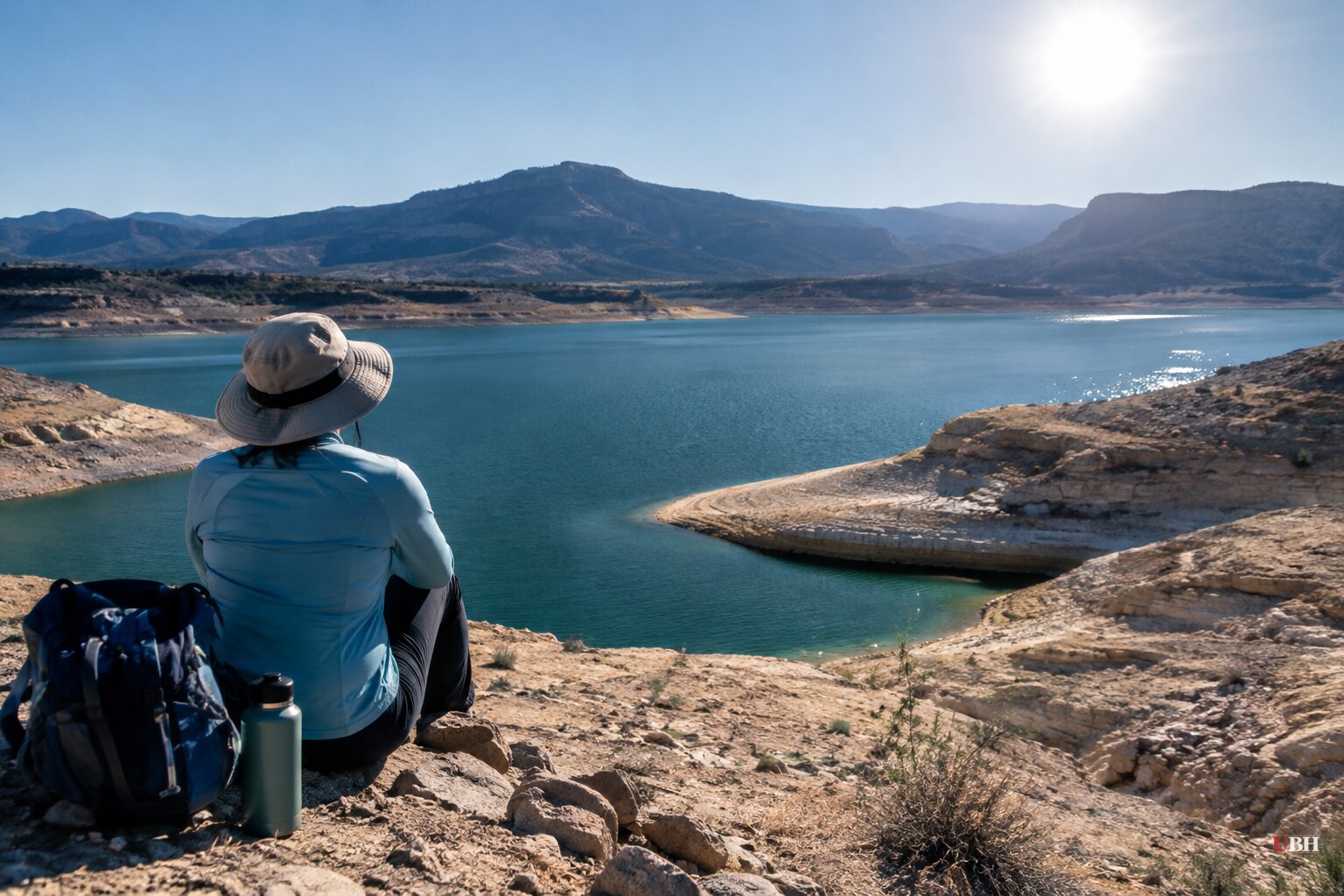
Since the 2026 water year closed on Sept. 30 with Lake Powell and Lake Mead at record lows, a new study has added a less visible problem to the Colorado River's troubles: the water underground is disappearing too, and not where scientists expected.
The groundwater finding
Researchers at Virginia Tech published the analysis Oct. 13 in the journal Water Resources Research. They combined NASA satellite gravity data, from the GRACE mission and its Follow-On successor, with estimates of surface water, soil moisture and snow-water storage. The period covered was 2004 to 2023.
Groundwater declined across the basin over those two decades, and losses accelerated after 2019. The severe drought of 2020 to 2022 produced the sharpest drops.
The Upper Basin (Colorado, New Mexico, Utah and Wyoming) lost about 4.6 trillion gallons, roughly 4.2 cubic miles, during that drought. The Lower Basin (California, Arizona and Nevada) lost an estimated 2.5 trillion gallons.
That reverses the usual pattern. The Lower Basin has historically lost more, while the Upper Basin was considered more resilient because Rocky Mountain snowmelt recharges its aquifers.
"The system has hit a turning point: The Upper Basin is now experiencing rapid groundwater losses," the study's authors wrote.
Esther Oyedele, the study's first author and a doctoral student in geosciences at Virginia Tech, said the drought was the principal driver. It shrank the Rocky Mountain snowpack, increased evaporation and boosted water demand across the basin. "We should not assume that the Upper Basin will remain relatively resilient simply because it has historically received more precipitation and snowmelt," she told Live Science.
The numbers are satellite-derived estimates, not well-by-well counts. The basin supplies water to roughly 40 million people, about 30 million of them in the Lower Basin, according to Oyedele.
A water year of extremes
The federal National Integrated Drought Information System (NIDIS) laid out the surface picture in its Oct. 15 Intermountain West update. Water Year 2026 combined record winter warmth and record-low snowpack with an exceptionally hot, dry summer.
The numbers from NIDIS:
- 65% of April 1 snow observations across the Western U.S. set or tied record lows.
- More than 90% of the region was in drought from April through September.
- Natural streamflow into Lake Powell ran at 37% of normal.
- All five Intermountain West states had their warmest year on record.
NIDIS said monsoon and late-season rain brought local relief but did not erase long-term deficits. Major reservoirs on the Colorado and Rio Grande entered Water Year 2027 at historically low levels.
High Country News described the whiplash in New Mexico. The Rio Grande dried up at a gauge upstream of Truth or Consequences on July 11, with Elephant Butte Reservoir down to 1.7% of its 652 billion-gallon capacity. By September, record rain boosted by a Pacific hurricane had the river running above 3,000 cubic feet per second and flooding the Lower Rio Grande Valley.
The magazine pins the year's extremes on climate change. NOAA data it cites show most of the West had its warmest autumn and winter on record, which left even near-normal precipitation falling as rain or melting early.
The fight over who takes the cuts
The water shortage has moved into federal court. Under a plan set out by the U.S. Interior Department, the three Lower Basin states face reductions through 2028. As described by Los Angeles Times columnist Michael Hiltzik, California is to cut about 12%, Arizona 31% and Nevada 28%. Total allotments could fall as much as 40% through 2036.
Nevada sued to block the plan in late August. Arizona has since moved to join that suit, but it told the court its interests are "unique" and cannot be entrusted to "another State that has sued to protect its own unique, state-specific interests." So Arizona is fighting both Washington and its neighbor.
California, the largest user of Colorado River water, has not expressed interest in joining, according to Los Angeles Times reporting by Ian James.
Hiltzik's column argues all three states will end up worse off. He points to the 1922 Colorado River Compact, which was negotiated when the river was assumed to carry far more water than it does now. Hiltzik also writes that if reservoirs keep falling, Hoover and Glen Canyon dams could lose the ability to deliver water and power downstream and could become vulnerable to physical damage.
What comes next
NIDIS says a strengthening El Niño improves the odds of above-normal winter precipitation in parts of the region. It also warns that real recovery depends on strong spring 2027 runoff from snowpack. Even a robust snow year "will not fully alleviate" the critically low reservoir supplies.
The groundwater study complicates that outlook. If Upper Basin aquifers are drained during drought, the snowmelt that feeds Lake Powell has less underground storage to lean on. Arizona's bid to join Nevada's suit is the next legal marker to watch.
Sources used for this briefing
6 links from 6 independent newsrooms (syndicated copies of the same report count once)
These are the sources it draws on, linked so you can verify.


