
Unbiased headlines. Facts, not spin.
Every story is an unbiased news briefing written from 110+ sources across the spectrum — sources linked so you can verify it yourself.
 energy
Breaking / Critical (9/10)
September 15, 2026 at 06:33 PM
energy
Breaking / Critical (9/10)
September 15, 2026 at 06:33 PM
Aramco Halts All Yanbu Oil Loadings as Saudi Reserves Face 5-to-7-Day Countdown
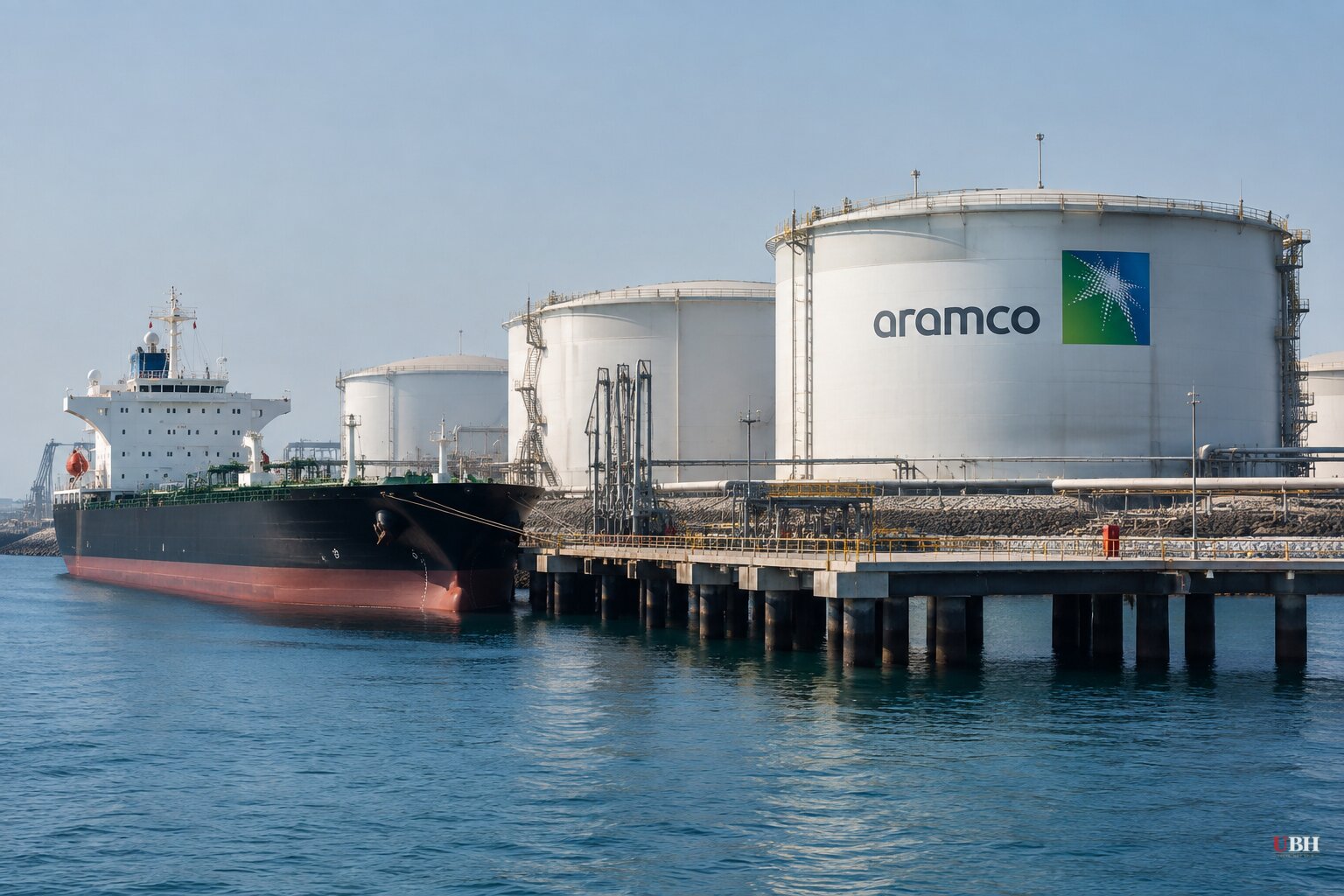
Since Saudi Arabia shut down its East-West Pipeline on Friday, September 11, blaming drone strikes it says originated from inside Iraq, the kingdom's last major bypass around the Strait of Hormuz has kept eroding. As of today, Aramco has confirmed a full suspension of oil loadings at the Red Sea port of Yanbu, the pipeline's endpoint, according to OilPrice.com and shipping industry sources cited by Reuters and reported by MarineLink.
The numbers behind that decision are stark. Yanbu's storage tanks hold roughly 35 million barrels, according to Sahi.com, and with no pipeline crude coming in, that stockpile can cover exports for only five to seven days before running completely dry. Riyadh has already informed European customers that some late-September crude cargoes will be cancelled, per MarineLink.
A Pipeline That Was Doing the Heavy Lifting
The East-West Pipeline runs 1,200 kilometers from the Abqaiq oil field to Yanbu and has a maximum capacity of 7 million barrels a day, according to Epoch Times and Aramco's own figures. Energy Aspects co-founder Richard Bronze told CNN it had been pumping roughly 6 million barrels a day throughout the war, making it "by far the most important route" for Saudi crude to escape the Hormuz blockade, according to Rapidan Energy Group president Bob McNally, also speaking to CNN.
Saudi crude production itself has cratered. Output fell to 6.2 million barrels per day in August, down from 10.9 million barrels per day in February, according to data cited by Sahi.com. That collapse predates today's Yanbu shutdown, meaning the kingdom was already producing at less than 60 percent of its pre-war level before losing its main export workaround.
No group has claimed responsibility for the pipeline attack. President Donald Trump has pointed to Iran-backed proxies operating in Iraq, but Iran's foreign ministry "categorically denied" the accusation on Monday, according to CNN. Two regional officials told the Associated Press, as reported by Breitbart, that the pipeline could be mostly out of service for weeks while repairs continue, with BluEnergies Ltd. chief executive Craig Steinke telling Epoch Times on September 14 the outage "may take weeks to come online."
Libya Piles On, Separately
Compounding the squeeze, Libya's National Oil Corporation suspended operations at three oil fields after members of the Petroleum Facilities Guard shut a valve on the Hamada-Zawiya export pipeline in a labor dispute, according to MarineLink. The NOC said it may declare force majeure if the valve stays closed or if the guard expands the shutdown, as it has threatened. This dispute is unrelated to the Iran-Saudi conflict but is landing at the same moment, tightening global supply further.
Prices and the Diplomatic Freeze
Brent crude traded near $108.49 a barrel and WTI near $104.68 on Tuesday, according to MarineLink, putting both benchmarks on track for their highest close in roughly four months. Shanghai Futures Exchange contracts hit $138 a barrel, a record, as Chinese refiners scramble for October cargoes, per OilPrice.com. U.S. diesel futures jumped more than 5.9 percent, also a record pace, driven partly by continued strikes on Russian and Ukrainian energy infrastructure. Chartering a supertanker in the Persian Gulf now runs $30 to $32 a barrel once war-risk premiums and insurance are added, OilPrice.com reported.
On the diplomatic front, Oman's foreign minister Sayyid Badr Albusaidi announced Sunday night that a planned conference between Iran and Gulf Arab states over the Strait of Hormuz had been postponed "in the interest of consensus," according to Breitbart. Iranian officials countered that Saudi Arabia was the one who pulled out. Tehran has spent months trying to get Oman to accept a bilateral arrangement in which Iran would control inbound Hormuz traffic in exchange for safe-passage fees, an arrangement Iran's self-styled "Persian Gulf Strait Authority" reinforced Monday by updating its blacklist of vessels and warning insurers and P&I clubs against servicing them. Whether that scheme amounts to legitimate wartime traffic management, as Tehran frames it, or extortion, as Gulf states and Washington describe it, remains a matter of dispute between the parties. No independent body has ruled on it.
Separately, Houthi military spokesman Yahya Saree claimed on September 14 that his forces intercepted Saudi Typhoon and F-15 fighter formations over Saada using domestically built air-defense missiles. Saudi authorities have not responded to that specific claim, though military spokesman Gen. Turki al-Malki confirmed the same day's missile and drone strikes on Khamis Mushait, Abha, and Taif injured 13 civilians and damaged seven homes.
Aramco has not issued a public statement on when Yanbu loadings or the East-West Pipeline might resume. With the port's buffer stock measured in days rather than weeks, the next concrete marker to watch is whether Saudi Arabia can restore even partial pipeline flow before that storage runs out.
Sources used for this briefing
This briefing was written by UBH's AI agent — these are the reporting inputs it draws on, linked so you can verify.


